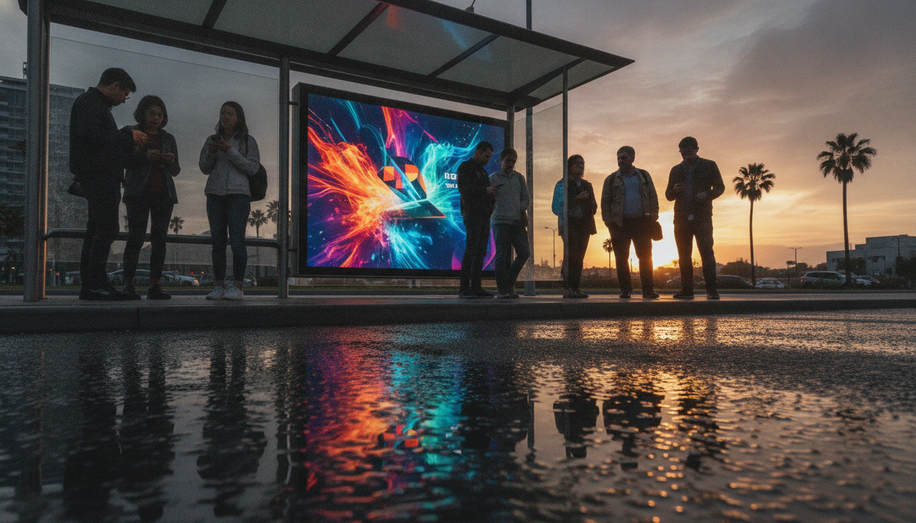

Programmatic digital out-of-home (pDOOH) advertising has rapidly transformed how brands connect with audiences in physical spaces, shifting the industry away from static, long-term contracts and toward agile, real-time bidding. By leveraging programmatic demand-side platforms (DSPs), modern media buyers can target specific audiences, trigger dynamic creative variations based on real-world events, and measure precise performance metrics. Selecting the right buy-side platform is critical, as today’s DSPs vary significantly in their geographical reach, pricing structures, targeting capabilities, and ease of deployment.
1. The Trade Desk
This platform is a massive, independent omnichannel DSP that allows media buyers to manage digital out-of-home campaigns directly alongside their existing programmatic CTV, mobile, display, and audio strategies in a single, unified dashboard. By incorporating pDOOH into a broader cross-channel workflow, advertisers can maintain consistent audience targeting and frequency capping across the entire digital ecosystem, leveraging robust first-party data integrations and proprietary identity solutions. The platform’s sophisticated machine learning algorithms and advanced budgeting tools are highly beneficial for mid-to-large agencies managing multi-million dollar budgets who require centralized media buying. However, it does have high minimum spend commitments and a steep learning curve, which means it may not be accessible for smaller businesses or independent advertisers looking for a quick, low-barrier entry into the out-of-home space.
2. Vistar Media
This specialized platform is widely recognized as a pioneer in the programmatic out-of-home industry, offering an end-to-end marketplace designed specifically for the unique dynamics of physical-world advertising. Buyers gain access to a highly granular planning suite that uses geospatial data to analyze physical consumer movement patterns, letting brands activate digital screens that index the highest against their target demographic. Its deep direct integrations with top global supply-side platforms (SSPs) and its advanced physical measurement capabilities allow advertisers to track concrete real-world outcomes, such as brand lift and brick-and-mortar foot traffic. While this dedicated out-of-home focus provides unmatched specialized depth, advertisers who prioritize consolidated multi-channel campaign management may find it challenging to run these highly localized campaigns in a separate, isolated silo from their online digital channels.
3. Blindspot
This programmatic platform operates as a self-serve digital out-of-home buying tool that connects media buyers to a global inventory of over 2.5 million digital screens across 50 countries. Designed for ease of use, it enables advertisers to launch campaigns in approximately 15 minutes with no contract commitments, allowing them to purchase ad space by the hour rather than requiring standard 24/7 booking cycles. The platform supports dynamic, context-aware creatives that automatically swap based on real-time triggers such as weather, traffic, time, or localized events, and provides attribution models that track performance on foot traffic, web lift, sign-ups, and sales. This makes it an ideal fit for small-to-medium businesses and mid-market agencies looking for a flexible, fast-moving setup, though larger enterprises with complex, bespoke DSP integration needs might find it lacks some of the highly customized data environments of larger enterprise platforms.
4. Hivestack
This platform is a specialized, full-stack programmatic DOOH DSP that is highly regarded for its global footprint and robust transactional infrastructure, facilitating automated out-of-home buying across dozens of international markets on multiple continents. Media buyers can utilize its sophisticated audience targeting engine, which relies heavily on real-world location data and custom boundary geofencing to bid on screens in real time as specific consumer segments pass them. It excels at delivering high-impact programmatic campaigns, offering an open marketplace that connects smoothly with major global SSPs to aggregate diverse screen networks, ranging from highway billboards to retail displays. While its focus on out-of-home and its advanced custom-bidding configurations are excellent for specialized media buyers, advertisers looking to run omnichannel campaigns may find the platform’s narrow focus on physical screens less optimal for their broader, non-OOH digital media goals.
5. Displayce
Based in Europe, this specialist programmatic DOOH platform offers media buyers seamless access to a global network of over 1.8 million digital screens spanning more than 80 countries. It is particularly known for its strong focus on audience context and its unique partnership with local data providers, which allows advertisers to refine their campaign planning using highly detailed points-of-interest (POI) and mobile location signals. One of the platform’s standout features is its deep mobile retargeting integration, enabling buyers to seamlessly capture and retarget mobile users who have been exposed to their digital billboard creatives. However, because it is designed specifically as a pure-play DOOH platform, it might not be the most seamless option for agencies that prefer a single, consolidated DSP to buy display, search, and social inventory in one unified interface.
Choosing the right programmatic DOOH DSP ultimately depends on your organization’s campaign objectives, budget flexibility, and existing media stack. Omnichannel giants offer unmatched consolidation for cross-channel campaigns, whereas specialized platforms deliver deep geospatial targeting and unique attribution capabilities tailored to physical spaces. By understanding the core strengths of each platform—from enterprise-grade multi-channel tools to agile, self-serve solutions—media buyers can select the ideal technology to maximize the impact of their out-of-home advertising budgets.