
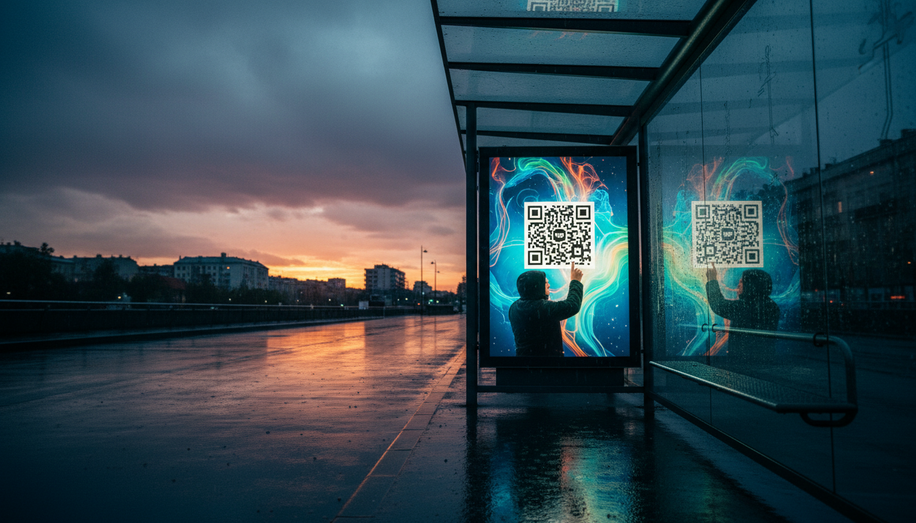

In the evolving landscape of out-of-home advertising, impressions have long been the gold standard, but savvy marketers are shifting focus to what happens next: direct responses and measurable conversions. Digital out-of-home (DOOH) technology has unlocked unprecedented precision, turning massive screens and billboards into engines for immediate action. No longer content with broad reach estimates, advertisers now leverage QR codes, geofencing, and programmatic platforms to drive website visits, app downloads, and store footfall, attributing them directly to OOH exposures. This transformation bridges the gap between offline visibility and online accountability, proving OOH’s place in performance-driven campaigns.
At the heart of this shift are interactive elements embedded right into the ads themselves. QR codes, once a novelty, have become a powerhouse for direct response. A pedestrian glancing at a digital kiosk in Times Square scans a code for an exclusive discount, instantly funneling them to a brand’s landing page. Measurement is straightforward: scan counts translate to clicks, with analytics tools tracking subsequent conversions like purchases or sign-ups. Broadsign, a leader in DOOH software, highlights how these scans feed into conversion rates—calculated as actions divided by impressions—yielding rates as high as 0.4% in high-traffic scenarios. For context, if 500,000 impressions generate 200 purchases via QR, that’s tangible ROI, far beyond vague awareness metrics.
Geolocation and mobile tracking take this further, enabling sophisticated attribution. Platforms use device IDs and geo-fencing to pinpoint users exposed to an OOH ad, then monitor their digital footprints. Did that smartphone, lingering near a billboard for dwell time metrics, trigger a website visit or app download within 30 minutes? Advanced analytics from pDOOH providers connect these dots, measuring walk-in rates for retailers— the percentage of exposed users entering a nearby store—or online conversion rates post-exposure. Pearl Media reports that proximity-based campaigns have driven over 1.3 million incremental store visits, while cross-channel lifts show 65% higher conversions when OOH pairs with mobile retargeting. Imagine a campaign for a retail chain: geo-fenced users see a dynamic ad tailored to weather or events, then receive a follow-up push notification en route to the store, boosting engagement 2-3x over standalone efforts.
Programmatic DOOH amplifies this with automation and real-time data. Advertisers bid on inventory like digital slots, serving personalized creatives that prompt action—say, “Scan now for 20% off”—while dashboards reveal interaction rates, dwell time, and downstream behaviors. BlueAlpha notes upticks in brand searches and direct traffic as proxies for lift, but direct methods like dynamic QR codes or custom URLs provide ironclad proof. For e-commerce brands, this means tracking app installs via unique links; a campaign might expose 100,000 commuters, yielding 5,000 scans and 1,000 installs, with multi-touch attribution crediting OOH in the conversion path.
Cross-channel integration seals the deal, weaving OOH into omnichannel funnels. A billboard hashtag sparks social shares, amplified by geo-targeted Instagram ads; website traffic spikes are measured via UTM parameters tied to OOH creatives. Wilkins Media points to QR-driven contests that not only swell site visits but also email sign-ups, fueling sales pipelines. For bottom-funnel plays, walk-in attribution studies correlate exposures to physical doors crossed, while online sellers use multi-device tracking for cross-platform conversions. EMC Outdoor emphasizes how these tools position OOH across the entire funnel, from awareness via impressions to sales via ROI models.
Challenges remain, like privacy regulations curbing cookie-based tracking, but innovations like aggregated location data and first-party signals are adapting. The OAAA’s Measurement Guide underscores mobile data’s role in mapping real-world mobility, ensuring ethical, accurate insights. Direct-response OOH isn’t hype—it’s proven. Campaigns blending QR interactivity, geo-attribution, and programmatic dynamism deliver not just views, but visits, downloads, and dollars.
As 2026 unfolds, expect deeper AI integration for predictive conversions, but the foundation is clear: OOH has outgrown impressions. By prioritizing direct action and robust tracking, marketers unlock its full potential, turning public spaces into private conversion machines. The era of accountable outdoor advertising is here, and it’s reshaping the ad world one scan at a time.