

In the bustling arteries of urban life, where billboards flicker like digital fireflies and posters peel under relentless rain, a quieter revolution brews. Guerrilla OOH advertising—those audacious, fleeting interventions that hijack public spaces—has evolved from fringe tactic to cultural juggernaut. No longer confined to static frames or scheduled slots, this unconventional canvas transforms lampposts, sidewalks, and even competitors’ ads into provocative playgrounds, engineered for shock, shareability, and seismic buzz. As out-of-home (OOH) landscapes grow saturated, brands are ditching predictability for placements that ambush the eye and ignite conversations, proving that maximum impact often blooms from the temporary and the taboo.
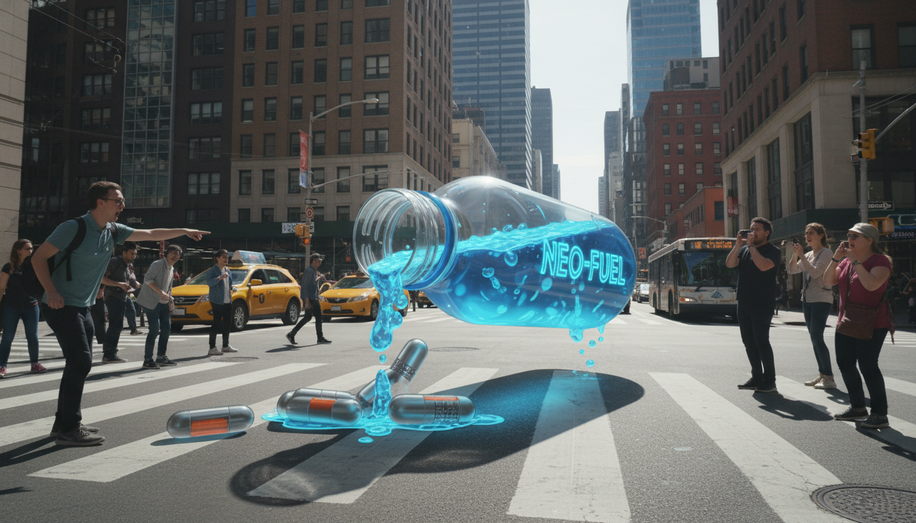
Picture a Manhattan crosswalk where chalk arrows on the pavement slyly guide pedestrians toward a pop-up coffee cart, or a London bus shelter morphing into a cascading waterfall of branded bottles via optical illusion vinyl. These aren’t accidents; they’re guerrilla OOH masterstrokes, blending the ubiquity of traditional OOH with the insurgency of street-level surprise. Rooted in the low-cost ethos of guerrilla marketing—coined by Jay Conrad Levinson in the 1980s—these tactics weaponize public spaces to evoke raw emotion. A Nielsen OOH Impact Report underscores the potency: campaigns fusing physical stunts with social amplification boost brand recall by nearly 50 percent. Why? The human brain, hardwired for novelty, latches onto the “out of place,” turning passive commuters into active evangelists with a single smartphone snap.
Street marketing forms the gritty backbone of this art form. High-traffic zones become fertile ground for subtle sabotage: stickers peeling back on traffic signs to reveal cheeky slogans, or 3D cutouts bursting from billboard frames like popcorn from a kernel. Take Coca-Cola’s 2024 ambush in Sydney, where rival Pepsi’s vending machines sprouted branded “happiness machines” dispensing free drinks and flowers—pure experiential hijacking that racked up millions in earned media without a media buy. Ambush tactics escalate the drama, with brands piggybacking events or foes for viral gold. During the 2025 Super Bowl buildup, a fast-food chain draped a competitor’s digital billboard in faux caution tape, quipping “Out of Order—Try Us Instead.” The stunt, gone in 48 hours, spawned brand wars across TikTok, outpacing multimillion-dollar TV spots in engagement metrics.
Yet guerrilla OOH thrives not just on provocation but on immersion. Experiential extensions invite participation, forging emotional bonds that linger. In Tokyo’s Shibuya scramble, a sneaker brand projected interactive holograms onto rainy streets, letting passersby “step” into virtual races via AR filters—temporary pavement poetry that blurred ad and art. Such pop-ups, often permitted just long enough to evade fines, leverage multi-sensory hooks: scents wafting from hidden diffusers, sounds pulsing from disguised speakers, textures begging touch. The result? Memorable encounters that ripple through word-of-mouth and social feeds, amplifying reach exponentially. Small businesses, starved of big budgets, find particular salvation here. A Brooklyn boutique turned alleyway dumpsters into “treasure chests” spilling luxury samples, generating local buzz that rivaled chain-store splurges.
Critics decry the ephemerality—will it last? Does it risk backlash?—but data silences doubters. Guerrilla OOH’s shock value cuts through ad fatigue, with studies from Media Exchange showing placements in everyday flows imprint deeper than interruptive digital banners. In 2025 alone, campaigns like a European telecom’s “phone booth saunas” during polar vortices or a beauty brand’s melting ice sculptures critiquing fast fashion dominated LBBOnline’s most-talked-about lists. These weren’t calendar-driven; they were culture-responsive, timed to news cycles or viral moments for outsized lift. Legal tightropes add edge—permits skirt gray areas, flash teams deploy at dawn—but the payoff is permissionless attention in an opt-out world.
As OOH enters its boldest era, guerrilla tactics herald a shift: from broadcasting to sparking. Brands like those partnering with Talon OOH in 2025’s street-transforming spectacles prove the canvas needn’t be owned to be commanded. In a landscape where attention is the scarcest resource, these non-traditional forays—creative, courageous, and crushingly effective—don’t just advertise; they architect moments that echo. The next wave? Augmented overlays on AR glasses or drone-delivered stunts. Whatever the evolution, one truth cures: in guerrilla OOH, the buzz isn’t bought—it’s unleashed.