
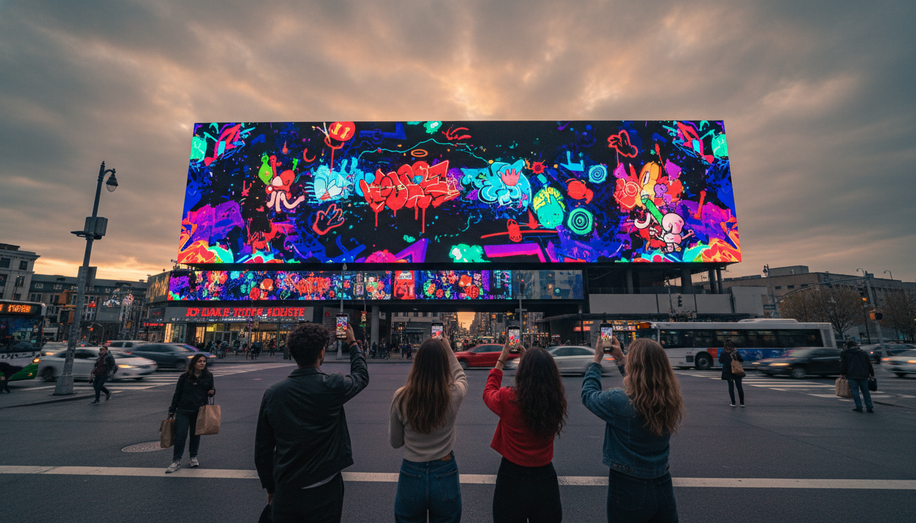

Gen Z, the digitally native cohort born between 1997 and 2012, has long been pegged as an elusive target for traditional advertising, their eyes glued to smartphones and social feeds. Yet out-of-home (OOH) advertising is proving to be a surprisingly potent tool for piercing this veil, with nearly 70% of Gen Z reporting they pay more attention to OOH than digital ads on their devices, and over 55% taking action after exposure. This generation craves respite from screen fatigue, turning physical spaces into arenas where bold, tangible campaigns can command undivided focus and spark organic sharing.
What sets Gen Z apart is their fragmented media diet, dominated by visual, bite-sized content on TikTok, Instagram, and Snapchat, where interruptions are swiped away in seconds. OOH flips this script by infiltrating real-world moments—commutes, campus hangs, festival vibes—offering a seamless blend of the physical and digital that feels less like an ad and more like an event. Research from the Outdoor Advertising Association of America underscores this pull: Gen Z is 29% more likely than the general population to engage with OOH content, drawn to its contextual relevance in places they naturally congregate, from urban transit hubs to trendy coffee shops. Unlike highway billboards blasting generic pitches, place-based OOH thrives in these micro-environments, delivering messages that mirror their lived experiences and multicultural realities—56% of Hispanic, 58% of Black, and 59% of Asian-American Gen Z consumers notice ads reflecting their cultural identity far more than others.
Aesthetics play a pivotal role in cracking the code. Gen Z demands visuals that pop: short, punchy messaging with minimal text, striking graphics, and irony-laced humor that nods to their self-aware worldview. Overly corporate polish falls flat; instead, campaigns succeed with raw, conversational tones that prioritize values like sustainability, inclusivity, and social justice. Picture a mural in an artsy neighborhood featuring a cheeky one-liner on eco-activism, its bold colors and diverse representations urging passersby to snap and share. Such designs aren’t just seen—they’re amplified, as Gen Z’s instinct to post instagrammable moments turns OOH into social currency, with 68% influenced toward purchases by these encounters.
Interactivity elevates this further, bridging the analog-digital divide that defines their habits. QR codes, augmented reality overlays, and motion-responsive digital OOH (DOOH) transform static displays into playgrounds. A digital billboard at a music festival might let users scan for an AR filter tying into the event’s vibe, or gamified pop-ups on college campuses could spin wheels for discounts, weaving in hashtag challenges for viral extension. These elements tap Gen Z’s love for tech-driven experiences—think interactive transit ads responding to weather or sports scores for hyper-relevant zingers—while fostering user-generated content that brands could never buy. The result? Peer-endorsed reach, as photos of 3D installations or experiential booths flood feeds, carrying more credibility than paid influencer posts.
Strategic placement is non-negotiable, zeroing in on Gen Z’s urban pulse points: universities, cultural hubs, fitness centers, and event venues like concerts or career fairs. Campus activations, for instance, leverage high-traffic spots with transit wraps and sponsored events, where influencer collaborations add authentic buzz—58% of Gen Z have bought based on creator recommendations. Event-based OOH shines here, with immersive installations at festivals going viral through sheer shareability. Digital formats amplify this, enabling real-time tweaks that keep messaging fresh and contextually locked-in, from time-of-day promotions to live sports tie-ins.
Critically, resonance hinges on authenticity over aggression. Gen Z sniffs out greenwashing or performative allyship instantly, favoring brands that walk the talk on ethics. A campaign highlighting genuine diversity or climate action in a transit hub doesn’t just grab eyes—it builds loyalty, as 48% of Gen Z actively engage with OOH like posters and billboards. Bold formats like wallscapes or mobile billboards near campuses extend this, their novelty ensuring they’re not just noticed but acted upon.
The proof lies in OOH’s resurgence as Gen Z’s “refuge in the real,” a counterpoint to digital overload where physicality reignites connection. By marrying values-driven narratives, interactive tech, and pinpointed placements, marketers can turn unreachable audiences into engaged advocates. In a world of endless scrolls, OOH reminds us that sometimes, the best way to reach the screen-obsessed is to meet them where screens fear to tread—out in the open, unfiltered and unforgettable.