
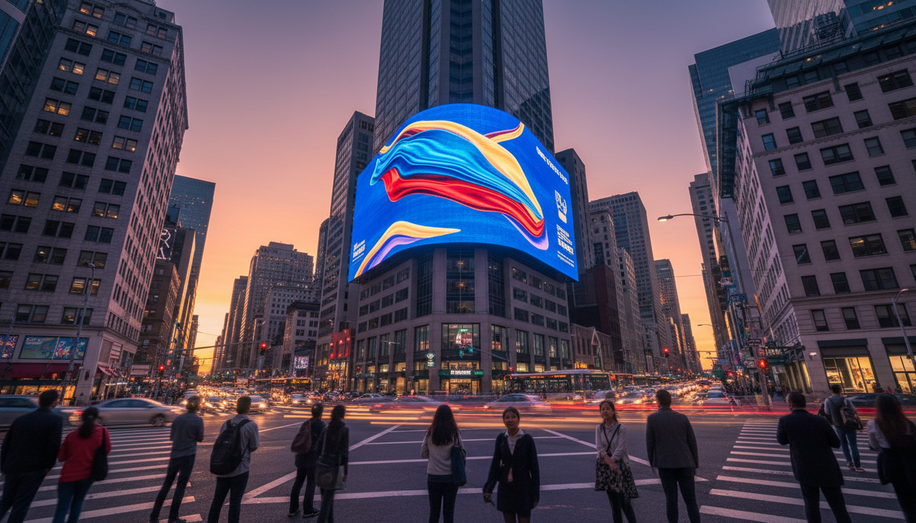

In the competitive arena of out-of-home (OOH) advertising, strategic site selection stands as the cornerstone of campaign success, determining whether a message cuts through the urban clamor or fades into obscurity. Far from a haphazard choice of high-visibility spots, this process demands a meticulous blend of data analytics, audience intelligence, and forward-thinking planning to ensure ads reach receptive eyes at pivotal moments. Media buyers who master this art not only amplify reach but also forge enduring partnerships with vendors, turning one-off placements into scalable, high-ROI endeavors.
The journey begins with a deep dive into audience profiling, where demographics, psychographics, and geographics converge to map the ideal terrain. Demographics offer the foundational layer—pinpointing age, gender, income levels, and household compositions prevalent in specific zones—while psychographics illuminate lifestyles, values, and interests that dictate behavioral patterns. For instance, a luxury brand might target affluent suburbs with high disposable incomes and leisure-oriented residents, whereas a fast-food chain could zero in on urban corridors teeming with young professionals during rush hours. Geographics then refine this intelligence, overlaying data on where audiences live, work, and recreate, often leveraging tools like Geographic Information Systems (GIS) and advanced analytics platforms to reveal traffic flows, dwell times, and proximity to points of interest.
Modern OOH demands a data-driven pivot from outdated metrics, such as arbitrary radius measurements around a site, toward holistic, predictive modeling. Platforms like audience insights tools aggregate demographic data, behavioral patterns, and location targeting to simulate campaign performance, identifying spots where impressions translate to engagement. Consider high-impact locations: a billboard overlooking a congested highway might deliver millions of impressions, but its true value hinges on whether those drivers match your target profile—commuters with mid-level incomes seeking quick-service options, for example. Quality trumps quantity here; prioritizing fewer premium sites within budget constraints often yields superior resonance, as evidenced by campaigns that harness real-time data to adapt creatives via digital OOH formats, sidestepping printing costs and enabling dynamic messaging.
Yet site selection extends beyond initial analytics into long-term strategic foresight, treating OOH placements not as isolated tactics but as interconnected nodes in a broader network. Experts advocate thinking at “total network potential,” evaluating how a new billboard interacts with existing ones to maximize cumulative impact and avoid cannibalization. This involves market potential analyses and scenario scoring to forecast growth, factoring in evolving trade areas—neighborhoods buoyed by residential booms, infrastructure upgrades, or revitalization projects. Qualitative fundamentals seal the deal: Is the site on the optimal side of the road for traffic direction? Does it boast unobstructed visibility and easy access? Compliance with zoning laws and synergy with complementary businesses, like nearby entertainment hubs that boost foot traffic, further elevate a location’s potency.
No strategy thrives in isolation, which brings vendor partnerships to the forefront—relationships that can unlock hidden opportunities and mitigate risks. Media owners, as gatekeepers of prime inventory, hold insights into last-minute deals, bundled packages, and site-specific performance metrics often unavailable through public data. Negotiating effectively requires transparency: share your audience data and campaign goals upfront to align on mutual value, fostering flexibility for pivots when traffic patterns shift or seasonal events alter dynamics. Local partnerships prove invaluable here, providing on-the-ground intelligence about emerging trends, such as new commercial corridors or regulatory changes, enabling swift reallocations.
Building these alliances demands reciprocity and adaptability. Diversify your location portfolio to buffer against disruptions—a single site’s decline, perhaps from roadworks or demographic flux, won’t derail the campaign if balanced by robust alternatives. Regularly audit performance using attribution tools to track footfall lifts, brand lift, and sales correlations, adapting plans as trade areas evolve over time. Technology accelerates this loop: AI-powered platforms now predict site success by modeling consumer behavior against competitive landscapes, reducing guesswork and enhancing efficiency.
Successful OOH campaigns exemplify this integrated approach. Brands employing POI-based strategies—placing ads near retail clusters or event venues—report heightened consumer attraction, even in niche or smaller markets where broad saturation falls short. Digital OOH’s agility shines in such scenarios, allowing real-time tweaks to capitalize on viral moments or audience surges. Ultimately, navigating the OOH landscape rewards those who blend rigorous data with relational savvy, transforming static billboards into dynamic conversation starters that drive measurable business outcomes.