
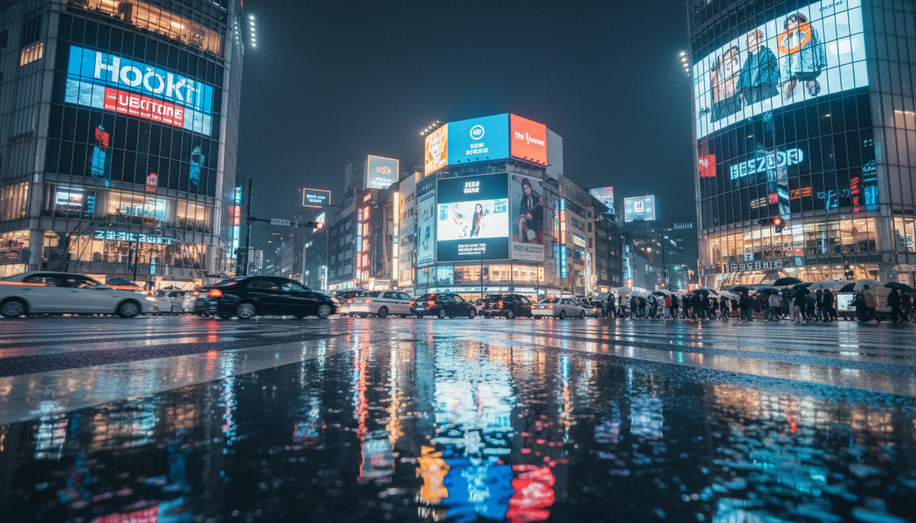

In the bustling arteries of urban life, transit out-of-home (OOH) advertising stands as a dynamic force, transforming everyday commutes into prime opportunities for brands to connect with niche audiences. By meticulously selecting routes and vehicle types, advertisers can pinpoint specific demographics, ensuring their messages resonate deeply and drive measurable impact. This precision turns mobile billboards—be they buses, trains, or subway cars—into tailored conduits for campaigns that amplify reach without wasteful scattershot spending.
The foundation of effective transit OOH lies in understanding route-specific demographics. Public transportation systems follow predictable paths, often weaving through neighborhoods with distinct socioeconomic profiles. For instance, buses traversing suburban corridors to tech campuses capture young professionals with higher incomes and tech-savvy inclinations, while urban arterials feeding hospital districts or financial centers engage healthcare workers and executives in mid-career brackets. Advertisers leverage transit authority data, census information, and ridership analytics to map these patterns. A route skirting university districts might prioritize students with vibrant, event-driven creatives for entertainment or retail launches, placed on exterior wraps visible to both riders and pedestrians. In contrast, peak-hour subway lines in diverse ethnic enclaves allow for multilingual messaging, fostering cultural relevance that boosts engagement in immigrant-heavy communities.
Vehicle type selection further refines this targeting, as each format offers unique visibility and dwell-time advantages. Full bus wraps excel for broad exposure, cruising high-traffic streets to ensnare drivers, cyclists, and sidewalk crowds beyond just passengers—extending reach to 48 million adults over two weeks in major markets. These mobile assets shine on commuter corridors linking residential zones to business hubs, where gridlock amplifies viewing time. Interior train or subway cards, meanwhile, command captive attention during long rides, ideal for deeper messaging to demographics like daily rail users—often urban millennials or Gen Zers with extended dwell times for ad recall. Digital screens in stations or shelters add adaptability, rotating content by time of day or weather to suit shopper-heavy midday routes or evening entertainment seekers.
Optimizing for niche demographics demands layered strategies. Nonprofits and government agencies, for example, favor buses to penetrate underserved populations overlooked by digital or TV media, ensuring equitable message distribution without algorithmic biases. A campaign targeting Hispanic or Black communities might deploy on routes through high-density neighborhoods, using localized themes like community events to build trust. For luxury automotive brands, radius targeting around dealerships via streetcars or on-demand vehicles hones in on affluent commuters, while quick-service restaurants thrive with shelter ads near dining districts to spur impulse visits. Data from a 2022 Solomon Partners study underscores the efficiency: transit shelters boast the lowest CPM at $2.18 per thousand impressions, making hyper-local precision cost-effective.
Technology elevates these efforts, enabling real-time optimization. Programmatic OOH platforms analyze footfall sensors, GPS tracking, and demographic overlays to dynamically assign routes—swapping a family-oriented minivan fleet for high-energy youth campaigns on festival-bound lines. Repeated exposure along fixed paths builds frequency, with 71% of drivers engaging roadside messages during rush hours, per recent research. This consistency proves vital for niches like older adults or low-digital users, who encounter ads unskippably amid daily routines.
Challenges persist, particularly in post-pandemic recovery, where shifting work patterns demand agile adjustments. Hybrid commuters blend transit with walking or cycling, so pairing vehicle ads with nearby shelters captures multi-modal journeys. Measuring success relies on QR codes for trackable scans, geofencing for attribution, and lift studies tying exposure to sales—tools that quantify ROI for skeptical planners.
Ultimately, navigating transit networks for niche targeting transforms OOH from broad brushstrokes to surgical strikes. Brands that dissect routes by demographics—suburban techies on express buses, urban families on local loops, diverse riders on subway spokes—unlock amplified messaging with unmatched relevance. As cities rebound and transit ridership climbs, this medium’s versatility positions it as indispensable, delivering visibility, frequency, and community ties that static formats can’t match. For advertisers eyeing 2025 and beyond, mastering these placements isn’t just strategic—it’s essential for cutting through the urban clamor.