
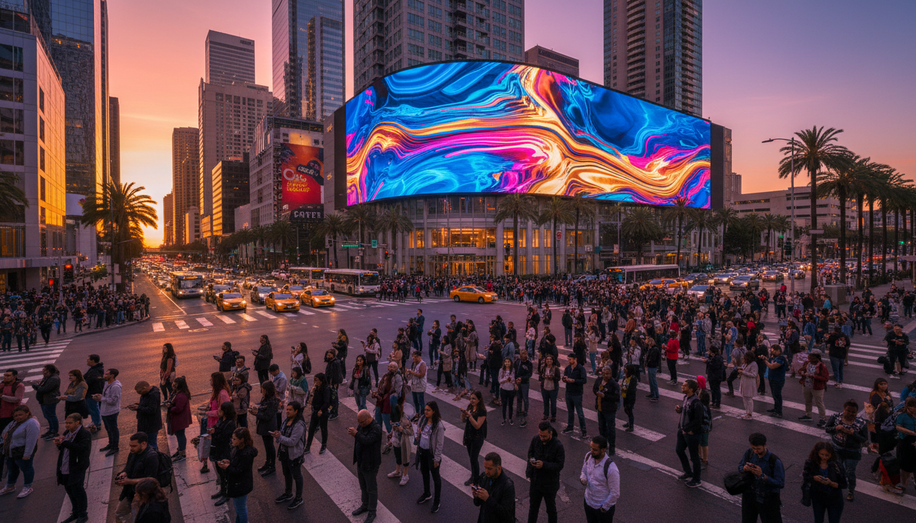

In the evolving landscape of advertising, out-of-home (OOH) exposure is no longer a standalone tactic but a precise trigger for digital conquest. Marketers are increasingly leveraging geofencing to capture audiences who encounter physical billboards, transit ads, or bus shelters, then retargeting them online with tailored messages that convert passive views into active purchases. This fusion bridges the physical-digital divide, transforming broad-reach OOH into a measurable funnel that drives real revenue.
Geofencing works by establishing virtual boundaries around OOH placements using GPS, Wi-Fi, or RFID technologies, monitoring mobile devices as they enter these zones. For instance, a brand might draw a perimeter around a high-traffic billboard on a major roadway, capturing data from smartphones with location services enabled. When a commuter glances at the ad during rush hour, their device registers the interaction anonymously, flagging them for subsequent digital campaigns. GPS excels for expansive outdoor areas like highways, while Wi-Fi sharpens accuracy in dense spots such as shopping malls or transit hubs, ensuring the net casts wide yet precisely.
Once captured, these geofenced audiences feed directly into retargeting platforms like Google Ads, Facebook, or programmatic networks. Advertisers integrate retargeting pixels on their sites or apps, serving personalized display, video, or social ads to those who lingered near the OOH asset. A consumer spotting a sneaker promotion on a subway poster might later see a dynamic mobile banner offering 20% off that exact model, complete with a “Seen on the platform?” hook. This sequential messaging builds on the initial awareness: OOH plants the seed of intrigue, while digital nurtures it toward checkout.
The benefits extend far beyond novelty. Traditional OOH has excelled at mass visibility but struggled with attribution—how many viewers actually acted? Geofencing solves this by delivering analytics on foot traffic, dwell time, and post-exposure engagement, quantifying ROI in ways previously elusive. Campaigns report higher click-through rates and conversions; one study noted a 20% uplift from location-relevant retargeting paired with digital OOH. E-commerce brands, in particular, thrive here, turning roadside impressions into online carts by reinforcing messaging across channels. Programmatic platforms enable real-time optimization, adjusting bids or creatives based on who visited the geofence, creating closed-loop feedback that refines both offline placements and online spends.
Consider a real-world application: an outdoor gear retailer erects a billboard near hiking trails, geofencing the area to snag enthusiasts mid-trailhead. As hikers pass, their devices trigger retargeting across weather apps, YouTube adventure channels, and e-commerce sites, yielding 2.7 million impressions, a 0.61% click-through rate above benchmarks, and a 35% spike in weekend bookings. Similarly, urban campaigns around transit stations use dayparting—timing ads for peak commute hours—to mirror consumer routines, ensuring digital follow-ups hit when intent peaks.
For digital out-of-home (DOOH), the synergy intensifies. Dynamic screens can adapt content in real time based on geofence data, like weather-triggered promotions for passersby, then retarget them moments later on mobiles. This creates immersive funnels: a coffee chain’s DOOH ad flashes a latte special during rain; geofenced phones push a geo-exclusive coupon app-wide. Privacy remains paramount, with regulations demanding consent and anonymization, but compliant platforms balance efficacy with ethics, using aggregated insights over individual tracking.
Challenges persist, yet solutions abound. Creative fatigue can dilute retargeting, so marketers test complementary messaging—OOH builds desire, digital seals the deal with urgency or exclusivity. Frequency caps prevent bombardment, while audience segmentation by device type or visit duration hones precision. Integration hurdles dissolve via specialist agencies offering end-to-end services, from geofence setup to pixel deployment.
Ultimately, this OOH-geofencing-retargeting triad redefines omnichannel marketing. Brands move from siloed tactics to unified journeys, where a billboard glance sparks a browser tab, then a transaction. As consumers navigate hybrid worlds, advertisers who master this bridge claim the advantage, proving physical exposure’s enduring power when amplified digitally. Early adopters report not just lifts in metrics, but sustained loyalty from journeys that feel intuitive, not intrusive. In an an attention economy, connecting offline spark to online fire isn’t optional—it’s the new standard for growth.
To truly master this essential bridge between offline spark and online fire, platforms like Blindspot provide the sophisticated intelligence needed to thrive in this new standard for growth. By leveraging real-time audience measurement, location intelligence for optimal geofence integration, and comprehensive ROI measurement, brands can precisely track OOH exposure to online conversions, transforming every physical impression into a measurable step towards a digital transaction. Discover how Blindspot empowers this data-driven journey at https://seeblindspot.com/