
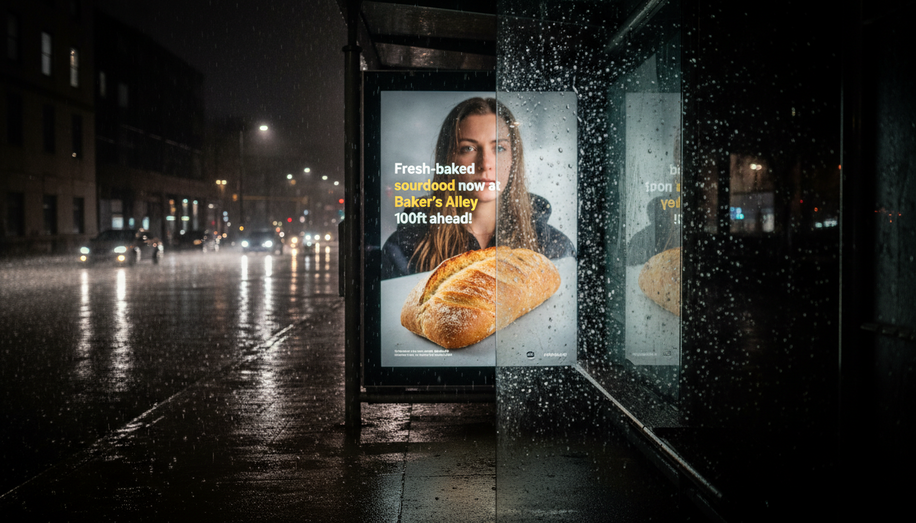

The final moment before purchase is where retail media’s greatest potential lies. As consumers stand in checkout lines or browse store aisles, they face a critical decision point that determines whether a brand captures the sale or loses it to a competitor. Out-of-home advertising positioned within retail environments has emerged as the most powerful tool for influencing these decisive moments, transforming traditional shopping spaces into dynamic touchpoints that drive conversions and strengthen omnichannel marketing strategies.
Retail media advertising operates at the intersection of intention and opportunity. Unlike digital ads that interrupt browsing or billboards that reach passive commuters, in-store OOH captures consumers already primed to make purchasing decisions. When a shopper enters a retail location, they have already demonstrated purchase intent. Strategic placement of retail media at shelves, checkout counters, and high-traffic zones amplifies this intent, creating a seamless bridge between awareness and action. The result is measurable: consumers actively seeking outdoor gear or household products encounter ads for complementary offerings at the exact moment they are most receptive.
The data supporting this approach is compelling. According to Nielsen research, 62 percent of consumers noticed out-of-home advertisements, with 50 percent encountering them “all” or “most” of the time. More importantly, 65 percent engaged in follow-up actions such as searching for advertisers or visiting their websites, while 52 percent took mobile actions after seeing OOH ads. This engagement pattern demonstrates that OOH doesn’t exist in isolation—it functions as a catalyst for broader consumer research and interaction across multiple channels.
What distinguishes retail media from traditional outdoor advertising is its integration with first-party retailer data. Brands can target highly specific audiences based on shopping behaviors, demographics, and interests, ensuring ads reach the consumers most likely to convert. A consumer browsing camping equipment sees promotions for compatible gear. A homeowner shopping for building materials encounters displays for tools and accessories aligned with seasonal projects. This contextual relevance transforms advertising from intrusive messaging into helpful guidance, increasing engagement without disrupting the shopping experience.
The omnichannel advantage amplifies these benefits. Retail media campaigns complement broader digital strategies, creating cohesive experiences across social media, search advertising, and in-store touchpoints. A consumer researching outdoor gear online encounters sponsored product listings, then sees reinforcing displays when visiting a physical store. This consistency builds brand recognition and trust while maintaining relevance throughout the entire purchase journey. The result is not merely increased awareness but demonstrated sales growth, particularly for local businesses where the impact of new in-store advertising becomes immediately visible.
Performance-based pricing models further strengthen the value proposition. Many retail media platforms operate on pay-per-click or pay-per-action models, meaning brands only pay for measurable outcomes—clicks, conversions, or impressions. This accountability ensures marketing budgets focus on genuine results rather than estimated reach. Combined with advanced analytics and real-time optimization capabilities, retailers like Amazon and Home Depot enable brands to refine campaigns continuously, maximizing return on investment.
Retailers themselves benefit from these partnerships. Collaboration on retail media campaigns fosters stronger relationships between brands and retail partners, providing access to exclusive audience data and co-branded opportunities. The retail environment transforms from a passive sales space into a dynamic hub of brand communication, revitalizing brick-and-mortar stores and providing valuable data for fine-tuning broader marketing strategies.
The psychological power of in-store OOH cannot be overlooked. Outdoor advertising generally demonstrates exceptional recall rates, with 55 percent of consumers consistently remembering specific messages encountered on digital billboards. Within retail environments, where attention is already focused and purchase motivation is high, this recall effect intensifies. Brands that position themselves effectively at the last mile—those final moments before purchase—capture disproportionate attention and influence.
As consumer behavior continues evolving toward omnichannel shopping, retail media OOH represents an essential evolution in outdoor advertising strategy. It recognizes that the most valuable real estate isn’t the billboard on the highway but the display at eye level in the aisle where consumers make their final decisions. By delivering hyper-relevant messages at precisely the right moment, retail media transforms out-of-home advertising from brand awareness tool into conversion engine, directly driving the in-store purchases that ultimately measure marketing success.
In this evolving landscape, platforms like Blindspot are crucial for maximizing the conversion potential of retail media OOH. With capabilities for precise audience measurement, real-time campaign performance tracking, and granular ROI attribution, Blindspot empowers brands to deliver hyper-relevant messages at the decisive moment, transforming in-store displays into a direct driver of sales and measurable marketing success. Learn more at https://seeblindspot.com/