

In the bustling streets of Philadelphia and New Orleans, a pharmaceutical campaign targeting preventive health medications didn’t blast generic messages from highway billboards. Instead, it placed ads in barbershops, fitness centers, and beauty salons—spaces pulsing with cultural conversations among underserved communities. The result? An 88% lift in awareness, proving out-of-home (OOH) advertising’s power to infiltrate niche worlds with precision. This isn’t broad-market spray; it’s surgical strikes that turn subcultures into loyal audiences, amplifying brands from the fringes to the mainstream.
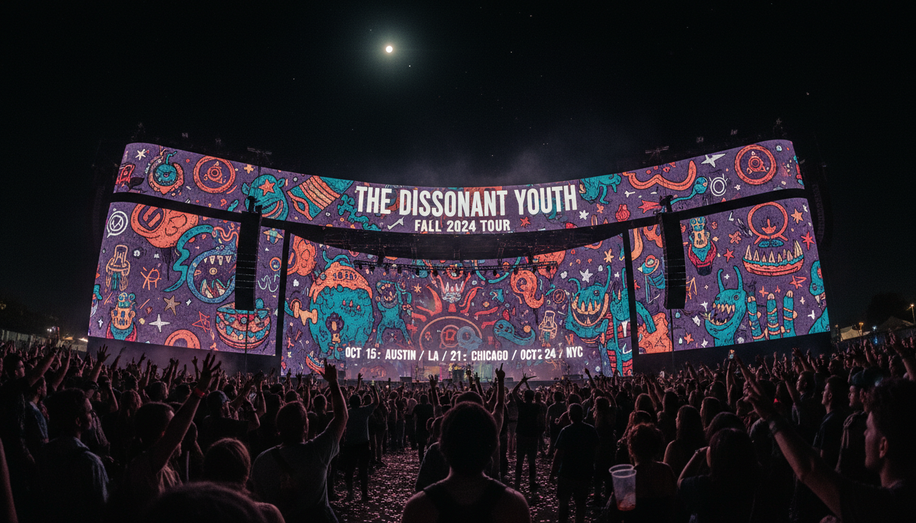
OOH has long been the megaphone for mass appeal, but its real evolution lies in hyper-local, culturally attuned strategies. For specialized interest groups—like gaming enthusiasts, fitness devotees, or ethnic enclaves—traditional digital ads often drown in algorithmic noise. OOH, by contrast, meets people in their physical habitats: transit hubs for urban commuters, event venues for music fans, or neighborhood corners for local subcultures. A fitness club in Central Florida paired OOH with mobile targeting near competitors, yielding a 260% lift in visitations among New Year’s resolution seekers. Similarly, Twitch’s Streamer Bowl event used digital OOH (DOOH) in NFL markets to spike online engagement, bridging virtual gamers with real-world visibility.
The secret sauce is strategic placement fused with cultural fluency. Take Depop’s New York City transit and mobile campaign, which tapped resale fashion’s thrifty, trend-savvy subculture by plastering quirky, user-generated visuals on subways and buses. Or Heineken’s Miami push, blending digital billboards with transit wraps to vibe with Latin nightlife scenes. These aren’t accidents; they’re data-driven. OOH specialists analyze demographics to select “lifestyle environments”—bars for social gatherings, doctor’s offices for health talks, even wrapped rideshares prowling targeted blocks. A regional homebuilder near Dallas developments mixed highway bulletins with digital boards on commute routes, boosting qualified traffic to model homes by embedding in daily routines.
Tailored messaging elevates this from intrusion to invitation. For subcultures, generic creatives flop; relevance rules. Humans of New York leveraged transit, mobile, and billboards with intimate street portraits, resonating with empathetic urbanites and driving viral shares. In healthcare, the pharmaceutical example succeeded by speaking the language of barbershop banter and locker-room wellness chats, not clinical jargon. DOOH amps this with dynamism: time-based triggers (e.g., evening ads for nightlife brands), weather-responsive creatives, or interactive QR codes that gamify engagement for tech-savvy niches like esports fans. A gaming console promo near retailers combined DOOH proximity targeting with mobile retargeting, delivering a 127% visitation lift for dual exposures.
Integration with mobile supercharges reach. OOH isn’t isolated; it’s the spark. A telecom’s Chicago street furniture campaign proved an 86% in-store visit lift, with peak traffic on weekends when exposed consumers shopped. Packaged goods brands have dominated grocery traffic—53% share in one study—by layering behavioral mobile targeting atop digital billboards. For underserved communities, like pet adoptions in Jacksonville or energy services in summer peaks, OOH drove calls and leads by hitting emotional touchpoints in high-traffic zones. Even Spotify’s Wrapped campaign personalized OOH with user data snippets, turning passive listeners into active sharers.
This niche-to-mass alchemy scales subcultures exponentially. A fast-casual chain like Taquerias Arandas expanded its base via OOH in key DMAs, blending awareness with delivery hooks. Wind Creek Casino in Chicago used billboards and mobile to lure gaming subcultures, while Life Alive Café in D.C. hit vegan wellness crowds with transit and digital. The pattern? Start narrow—pinpoint habitats, craft resonant narratives—then amplify via retargeting. DOOH’s flexibility allows real-time tweaks, like event-tied activations for music festivals or motorsport dealers in Texas drawing gearheads to showrooms.
Critics once dismissed OOH as unmeasurable relic, but data demolishes that. EMC Outdoor’s pharma case showed cost-effective connections yielding public health wins. DASH TWO’s work with emerging fashion and food brands proves tailored OOH maximizes spend for niche players. As urban density grows and subcultures fragment—think K-pop stans, pickleball players, or BIPOC wellness seekers—OOH’s physical omnipresence offers unmatched serendipity. It doesn’t chase screens; it owns the street.
For brands eyeing the leap, partner with OOH experts versed in cultural intelligence. Scout beyond billboards: transit for commuters, place-based DOOH for routines, experiential wraps for mobility. Measure via mobile lifts—visits, recalls, conversions—and iterate. In a digital-saturated era, OOH reclaims the tangible, whispering to subcultures until they shout back. From barbershop murmurs to mass movements, it’s the bridge that turns whispers into roars. Blindspot empowers this precision, offering advanced audience measurement and location intelligence to pinpoint subculture habitats, while real-time performance tracking and ROI attribution validate every strategically placed campaign, ensuring whispers become measurable roars. Discover how at https://seeblindspot.com/