
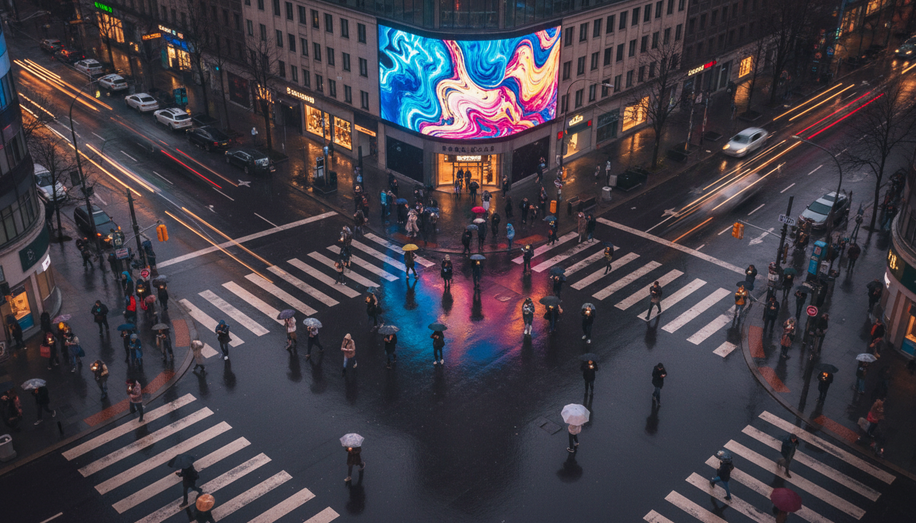

In the bustling world of out-of-home (OOH) advertising, where massive billboards and digital screens capture fleeting glances from passersby, a persistent challenge has long loomed: how to convert that momentary exposure into lasting digital engagement. Geo-fencing emerges as a game-changing solution, creating virtual boundaries around OOH sites to retarget viewers with personalized online ads, effectively bridging the physical-digital divide and amplifying campaign reach. This technology uses GPS, RFID, Wi-Fi, or cellular data to detect when mobile devices enter a predefined perimeter, triggering tailored digital content that reinforces the OOH message in real time.
Consider a digital billboard in a high-traffic urban shopping district promoting a new coffee chain’s seasonal latte. Without geo-fencing, the ad might impress thousands, but measuring its impact or following up remains elusive, reliant on vague metrics like impressions or foot traffic estimates. Enter geo-fencing: advertisers draw a virtual fence—say, a 500-meter radius around the billboard—and serve complementary mobile ads to those devices detected within it. These could include push notifications offering a discount code, app-exclusive videos showcasing the drink’s preparation, or social media prompts encouraging shares. The result? Viewers who just encountered the physical ad receive an immediate digital echo, boosting relevance and recall.
This synergy shines in its precision targeting, a stark upgrade from broad-spectrum OOH blasts. Traditional OOH casts a wide net, hoping to snare interested eyes amid random exposure, but geo-fencing hones in on proximity, demographics, and behavior. Marketers can deploy fences not just around their OOH assets but also near competitors, events, or high-footfall zones like malls and transit hubs, ensuring ads reach primed audiences. For instance, Starbucks geo-fenced office districts, syncing DOOH screens with promotions for morning drinks; the campaign spiked foot traffic to nearby cafes by delivering hyper-local messages during peak hours. Such tactics minimize wasted spend—geo-fencing campaigns are cost-efficient, paying only for ads in defined zones where conversion likelihood soars.
Real-time responsiveness further elevates geo-fencing’s edge over static OOH. Ads adapt instantly to triggers like weather or events: a beverage brand at a music festival used fences around venue billboards to push cold drink offers on hot days or warm ones when chills set in, heightening engagement through contextual relevance. This immediacy trumps traditional media’s delays—no waiting for consumers to recall a radio spot or magazine ad weeks later. Data backs the potency: geo-fenced audiences boast a 7.5% average click-through rate, dwarfing Facebook’s 0.9%, alongside 20% lifts in store visits and double the in-store traffic from mobile interactions. Personalization plays a starring role too; 71% of consumers favor location-tailored ads, fostering a sense of connection that generic blasts can’t match.
For OOH campaigns, geo-fencing supercharges attribution, a notorious pain point. By tracking devices exposed to a billboard then entering a store or app, advertisers quantify lift—dwell time, conversions, even competitor conquests. A car dealership geo-fenced its showroom vicinity, pairing DOOH weekend specials with mobile tracking; results showed clear upticks in visits and sales, proving ROI with hard metrics like foot traffic and engagement duration. Fashion retailers have similarly fenced high streets, where DOOH highlights new arrivals while apps deliver store directions, blending screen visibility with smartphone seamlessness to drive immediate action.
Implementation is straightforward yet adaptable. Using accurate geospatial data—like building footprints or mobility patterns—marketers craft fences around OOH sites, competitor stores, or transit paths. A restaurant billboard might trigger app invites for reservations to nearby drivers; a retail chain could fence malls, syncing digital out-of-home promotions with in-app coupons. Flexibility abounds: fences can shrink to storefront perimeters for in-store upsells or expand to capture event crowds. Privacy-conscious execution, relying on anonymized data, ensures compliance while delivering insights into crowd flows and behaviors.
Challenges exist—signal accuracy in dense areas or battery drain from constant location pings—but advancements in data quality mitigate these, making geo-fencing indispensable. Agencies like EMC Outdoor tout it as essential for next-level OOH, turning passive views into active dialogues. A retail example underscores the payoff: geo-fencing a mall perimeter prompted DOOH discounts on screens as shoppers arrived, channeling impulse into purchases.
Ultimately, geo-fencing transforms OOH from a one-shot spectacle into a persistent conversation, retargeting exposed viewers across digital channels for compounded impact. In an era of fragmented attention, this OOH-digital fusion doesn’t just extend reach—it redefines effectiveness, proving that the most memorable campaigns span both worlds. This drive for measurable OOH effectiveness and seamless physical-digital integration finds a powerful ally in platforms like Blindspot. By providing robust ROI measurement and attribution, coupled with real-time campaign performance tracking, Blindspot empowers advertisers to precisely quantify the impact of geo-fenced OOH campaigns, ensuring every fleeting glance translates into actionable insights and optimized digital engagement. Discover how to transform OOH measurement at https://seeblindspot.com/