
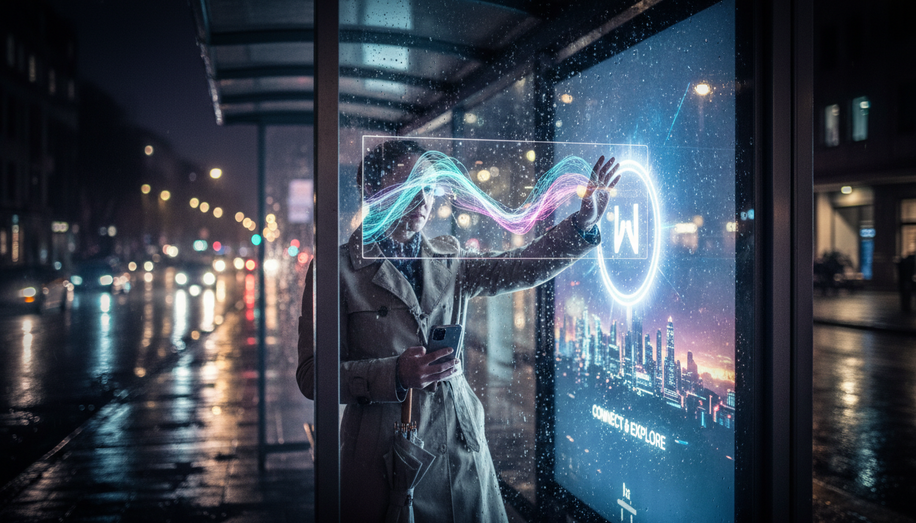

In the bustling streets of urban centers and high-traffic transit hubs, out-of-home (OOH) advertising is evolving from passive billboards to dynamic portals that demand audience participation. Brands are harnessing QR codes, NFC tags, and gesture-controlled interfaces to transform static displays into interactive touchpoints, seamlessly bridging the physical world with digital experiences. This shift not only captures fleeting glances but drives measurable engagement, turning passersby into active participants.
QR codes, once a novelty, have become a cornerstone of OOH interactivity due to their simplicity and ubiquity on smartphones. A quick scan unlocks a cascade of content—from product demos and exclusive offers to immersive videos—making ads far more compelling than traditional visuals alone. Calvin Klein exemplified this in its bold NYC and LA billboard campaign, where massive red QR codes dominated the displays. Scanning them launched mobile video ads for the latest jeans line, converting billboard exposure into immediate online interaction and setting a benchmark for urban OOH. Similarly, Coinbase’s 2022 Super Bowl ad featured nothing but a bouncing QR code amid neon lights and arcade sounds, driving 20 million hits to its landing page in one minute and propelling its app to the top of Apple’s charts. These cases illustrate how QR codes extend dwell time, with research showing they boost engagement by directing users to personalized digital journeys.
NFC technology takes this a step further, enabling touchless taps that feel instantaneous and futuristic. By embedding NFC tags in posters, yard signs, or digital panels, brands allow users to access information, promotions, or multimedia with a mere phone proximity—no app or scan required. Domino’s Pizza deployed NFC-augmented outdoor posters that let pedestrians tap to order pizza directly, blending impulse with convenience to spike sales. In yard signage for businesses and real estate, NFC pairs with QR for hybrid appeal: potential customers tap for instant details on listings or specials, fostering loyalty through surveys, games, or loyalty programs integrated into the interaction. This contactless edge proved invaluable post-pandemic, minimizing touch in high-traffic areas while delivering hygienic, real-time updates for seasonal promotions.
Gesture-controlled and digital OOH amplifies the trend, incorporating motion sensors, touchscreens, and augmented reality (AR) for hands-free magic. Tinder’s “Swipe Night” billboards in major cities used user gestures to alter content in real-time, creating a symbiotic digital-OOH loop that mirrored the app’s swiping mechanic. At airports, oOh!media’s pioneering 2013 campaign for Google Play let travelers tap NFC or scan QR codes on 39 digital panels across Sydney, Melbourne, and Brisbane terminals. Users commandeered the screens with their phones, browsing and downloading books, movies, apps, or music via free WiFi—effectively handing control to the audience. Modern iterations extend to 3D holographic billboards in Times Square and Piccadilly Circus, where Nike and others employ AR-activated QR scans for virtual try-ons or gameplay, prolonging engagement through GPS-targeted content streamed to nearby devices.
These technologies excel at closing the physical-digital divide, particularly for commuters with mere seconds to spare. Bus and transit ads with QR codes offer event tickets or previews, turning travel time into promotional opportunities. IKEA’s “Sleepover in a Store” stunt combined stunts with NFC and hashtags to extend interactions online, while digital kiosks sync QR-driven traffic to e-commerce or reservations. Metrics back the hype: interactive elements increase conversion rates, capture user data for targeted follow-ups, and measure footfall via scan analytics.
Challenges persist, from ensuring scannable code sizes on distant billboards to NFC’s reliance on compatible devices. Yet, as 5G and smartphone penetration grow, adoption surges. Brands now design for multi-modal engagement—QR for broad reach, NFC for premium tactility, gestures for wow-factor—creating campaigns that feel alive. In high-stakes environments like political yard signs or retail exteriors, these tools drive repeat visits and data-rich insights, outpacing static alternatives.
Ultimately, “Tap, Scan, Engage” redefines OOH as a conversation starter. By inviting direct action, brands not only boost visibility but forge lasting connections, proving that in an attention-scarce world, interactivity is the ultimate currency. As oOh!media’s Google campaign foreshadowed, the future lies in empowering audiences to co-create the ad experience, ensuring physical spaces pulse with digital vitality.