
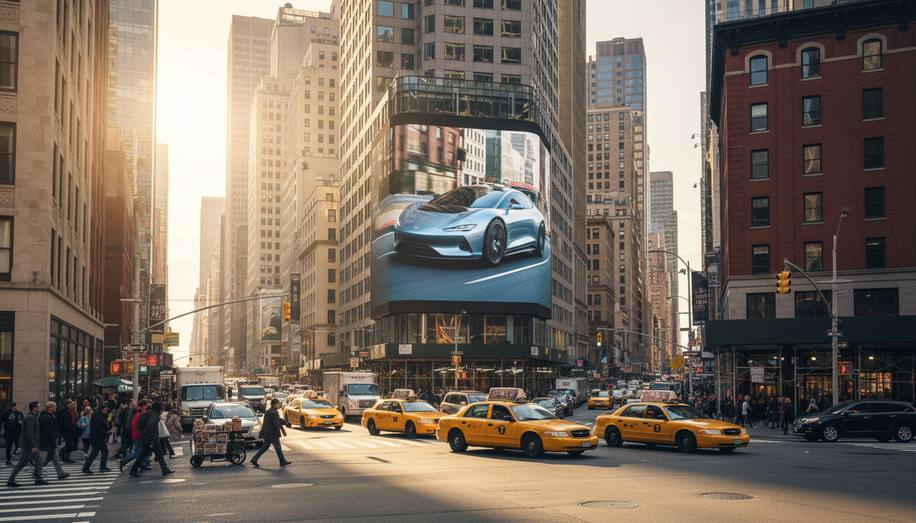

In an era dominated by digital fragmentation, out-of-home (OOH) advertising is reclaiming its throne as the ultimate amplifier for traditional media channels like television, radio, and print. By weaving OOH into these time-tested formats, brands forge seamless synergies that extend reach, deepen engagement, and deliver measurable impact across the consumer journey. This integration transforms isolated campaigns into cohesive narratives, where a billboard’s bold visual cues reinforce a TV spot’s emotional pull or a radio jingle’s catchy hook.
Consider the foundational strengths of traditional media: television commands mass audiences with its high-visibility storytelling, radio thrives on local intimacy and repeat exposure, and print builds credibility through tangible, trusted formats. Yet each faces limitations—TV’s fleeting airtime, radio’s audio-only constraints, and print’s static nature. OOH bridges these gaps with its unavoidable presence in high-traffic environments, from bustling urban billboards to transit hubs and parking garages. Wallscapes, bulletins, and posters deliver deep frequency over weeks or months, reaching commuters, pedestrians, and shoppers where they live, work, and play. When synchronized, OOH acts as a physical anchor, turning passive traditional exposure into active recall.
Real-world campaigns illustrate this potency. Coca-Cola’s iconic “Share a Coke” initiative began with personalized bottles promoted via traditional print and TV, but exploded when OOH elements like dynamic billboards directed consumers to share photos online, sparking viral social engagement and sales surges. Similarly, the Old Spice rebrand paired memorable TV commercials starring the “Old Spice Guy” with OOH reinforcements in high-visibility spots, complementing interactive radio and digital extensions to revitalize the brand overnight. These examples highlight how OOH extends traditional media’s lifespan: a radio ad heard during a drive might fade, but a strategically placed billboard replaying the same tagline ensures it lingers.
Digital out-of-home (DOOH) takes this synergy further, infusing real-time adaptability into the mix. Airlines have launched route announcements via DOOH billboards featuring countdown timers in airports and city centers, spiking bookings within hours while tying into TV teasers and radio promos for broader awareness. A Lot Media’s campaigns in parking garages exemplify this, where dynamic content updates in real-time to align with TV airings or print drops, boosting foot traffic and ad exposure in captive audiences. Such precision targeting—leveraging location data—creates a media mix where OOH not only amplifies but also measures uplift, like the 3.5 million views and 30,000 social comments from a survival-themed billboard that complemented online strategies.
Practical tactics abound for seamless integration. QR codes embedded in TV spots, such as Avocados from Mexico’s Super Bowl ad, propel viewers from broadcast to digital action, with OOH versions in stadiums and transit extending the conversation. Print ads gain interactivity when mirrored by nearby OOH displays, fostering trust through consistent messaging across credible channels. Radio campaigns benefit from geotargeted billboards that visualize audio narratives, enhancing recall in local markets. A credit union’s multi-channel push combined TV, radio, print, and OOH to yield 17% more memberships and 78% growth in applications, proving integrated plans outperform siloed efforts.
Challenges persist, including coordination across teams and measuring cross-channel attribution, but data underscores the rewards. Traditional media excels at mass reach and trust-building, while OOH provides the high-impact visibility that digital alone can’t match. As consumers navigate perpetual on-the-go media, OOH’s physicality cuts through, with studies showing eight-minute dwell times on interactive billboards versus seconds for static ones. Emerging tech like augmented reality blurs lines further, embedding digital layers into OOH to echo TV’s immersion or print’s detail.
For marketers, the directive is clear: prioritize omnichannel orchestration. Street teams at events, branded food trucks near arenas, and aerial banners during tailgates have amplified arena signage and TV tie-ins, saturating locales for total domination. Aha! Creative’s refresh of direct mail, radio, newspaper, and OOH for clients delivered refreshed narratives with outsized returns. OUTFRONT Media’s case studies across industries affirm OOH’s role in driving results when layered with traditional buys.
Ultimately, these synergies redefine campaign effectiveness. OOH doesn’t compete with TV, radio, or print—it elevates them, creating unified experiences that resonate longer and convert stronger. Brands ignoring this integration risk leaving impact on the table, while pioneers reap the rewards of truly connected storytelling.