
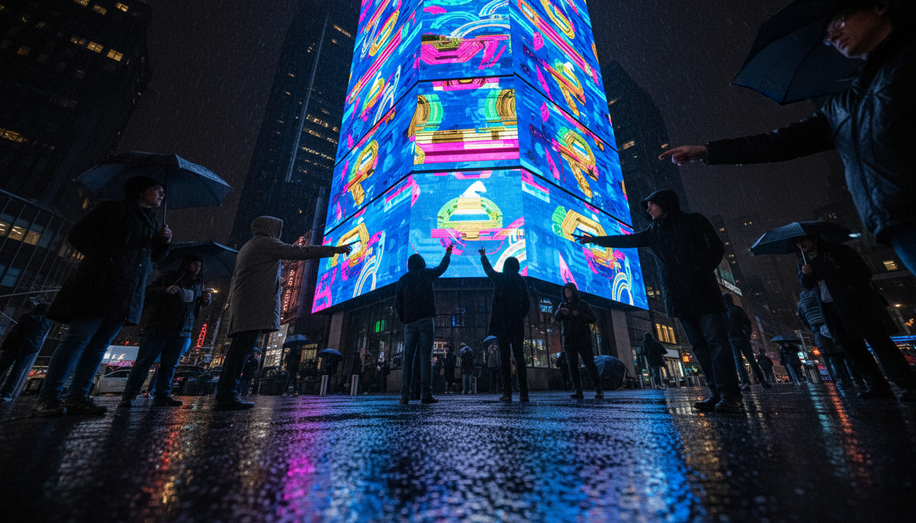

In the bustling streets of urban centers, where eyes dart past traditional ads in seconds, interactive digital billboards are rewriting the rules of out-of-home advertising. These dynamic displays transform passive glances into active engagements, using gesture controls, proximity sensors, and QR codes to pull passersby into the brand experience. Far from static screens, they respond in real time, fostering participation that boosts recall and shares.
Consider Gymshark’s clever “Shoplifting” campaign, which turned a London billboard into an irresistible temptation. Real gym clothing items were pinned to the display, inviting pedestrians to pluck them free. As garments vanished, hidden messaging emerged beneath, revealing discounts up to 60% on sportswear with the punny tagline “shop lift-ing essentials.” This gesture-based interaction not only drew crowds but cleverly tied physical action to the brand’s lifting theme, generating buzz and immediate sales uplift.
Reebok took a similar kinetic approach in Stockholm to launch its ZPump 2.0 sneakers. Equipped with motion-tracking cameras and speed sensors, the billboard challenged runners to sprint past at top speed. Proximity-triggered cameras clocked their velocity, displaying times instantly and awarding free trainers to anyone beating 10.5 miles per hour. The setup turned a busy walkway into a competitive playground, with participants sharing their results online, extending the campaign’s reach exponentially.
Nestlé’s KitKat campaign in Colombia embodied relaxation through touch. Billboards vibrated on contact, delivering a stress-relieving massage to anyone leaning in, perfectly aligning with the slogan “Have a break, have a KitKat.” Proximity sensors detected the lean, activating the rumble while screens reinforced the message that a quick snack—or massage—rejuvenates. Passersby lingered longer, some queuing for their turn, proving how simple haptic feedback converts curiosity into memorable interaction.
QR codes offer another low-friction gateway to engagement, bridging physical billboards with digital actions. Brands increasingly embed them for instant rewards, like discounts or exclusive content, prompting scans without downloads. In high-traffic spots, these codes track participation metrics, linking OOH exposure to online conversions and providing advertisers with actionable data on audience behavior. One effective variant combines QR with social media: viewers scan to share a photo or tweet with a hashtag, unlocking offers while their user-generated content loops back onto the screen, creating a viral feedback loop.
Proximity and motion sensors elevate this further, adapting content to environmental cues or viewer presence. Billboards detect nearby crowds via infrared or ultrasonic tech, triggering personalized messages—like weather-tied promotions—or gamified elements such as polls where gestures vote on-screen outcomes. For instance, multi-function displays in busy locales feature buttons or levers that unveil hidden panels, blending visibility with surprise to maintain constant draw.
These innovations shine in their measurability. Unlike traditional billboards, interactive ones capture dwell time, interaction rates, and cross-channel traffic, with sensors logging gestures and QR scans feeding into analytics platforms. Campaigns like Reebok’s demonstrated ROI through redemptions and social mentions, while Gymshark’s tactile reveal amplified earned media.
Looking ahead to 2026, trends point to even smarter integrations. AI-driven sensors will refine responses, prioritizing high-engagement moments like rush hour, while sustainability-focused designs incorporate energy-efficient LEDs without sacrificing interactivity. Touchscreens evolve too, enabling swipes for product explorers or mini-games that score points for virtual rewards. Yet, success hinges on simplicity: overcomplicated setups deter participation, so brands favor intuitive gestures over app barriers.
Critics might argue interactivity risks cluttering public spaces, but data counters this—interactive DOOH sees dwell times soar from seconds to minutes, with participation rates 5-10 times higher than static peers. Nike’s real-time Olympics updates, syncing proximity-detected crowds with live scores, exemplify relevance at scale, driving store visits amid global events.
Ultimately, these billboards redefine OOH as a conversation starter. By inviting gestures, scans, and leans, they shatter the fourth wall between ad and audience, forging emotional connections in fleeting urban encounters. As technology democratizes such feats, expect more brands to claim street corners not as monologues, but as dialogues that linger long after the walk-by.