
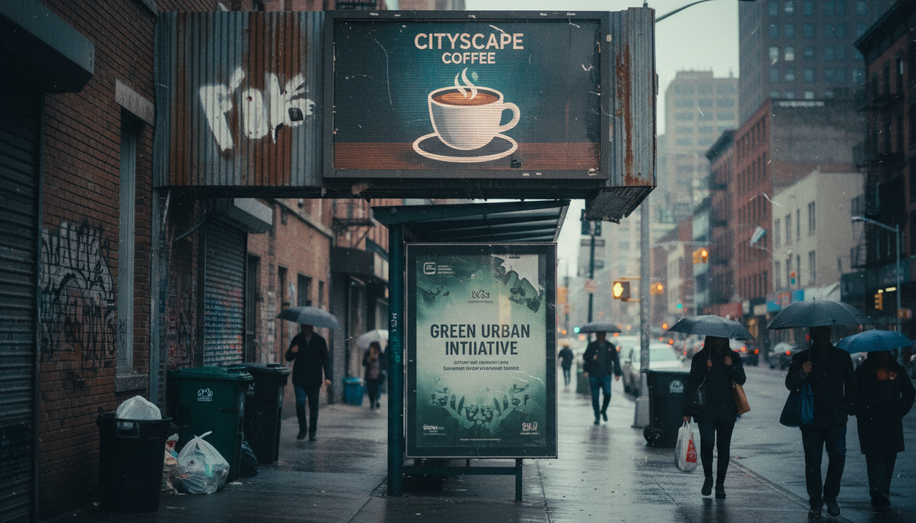

In the high-stakes arena of product launches and brand revitalizations, out-of-home (OOH) advertising stands out as a powerhouse for forging immediate connections with consumers. Unlike digital ads that vanish with a swipe, OOH placements—billboards, transit wraps, and digital displays—command attention in real-world spaces, turning public environments into immersive brand experiences that spark buzz and drive action. For brands unveiling a groundbreaking gadget or breathing new life into a legacy name, these campaigns deliver unmatched visibility, positioning the message as a cultural fixture rather than a forgettable scroll.
Strategic placement forms the bedrock of any successful OOH push during these pivotal moments. High-traffic zones like highways, subway stations, and urban squares ensure repeated exposure to diverse audiences, embedding the brand in daily routines. Consider a new smartphone launch: positioning towering digital billboards near tech hubs and commuter routes captures young professionals mid-stride, while proximity to retail outlets primes impulse visits. Data from movement patterns allows precise targeting—ads for a revitalized energy drink might cluster around gyms and office districts, aligning with lifestyle demographics for relevance that static online targeting often lacks. Jack in the Box exemplified this with a programmatic digital OOH campaign that zeroed in on hungry drivers within a two-mile radius of restaurants, generating 1.3 million store visits and a staggering 12:1 return on ad spend.
Creativity amplifies placement’s power, transforming OOH into conversation starters that fuel viral momentum. For product introductions, bold visuals and succinct copy cut through urban clutter, invoking emotion and urgency—a sleek electric vehicle reveal on a wrapped bus might tease “Drive the Future Today,” with QR codes linking to virtual test drives. Brand overhauls benefit from narrative depth; CVS’s #BeautyUnaltered campaign blanketed prominent billboards with unfiltered selfies, urging passersby to share their own on social media, igniting widespread discussion even among those who never glimpsed the originals. This shareability bridges physical and digital realms, as intriguing teasers direct traffic to apps or sites, creating multi-channel synergy.
Technology elevates OOH from static spectacle to dynamic engager, particularly for launches demanding real-time adaptability. Digital out-of-home (DOOH) platforms enable content rotation, weather-triggered messaging, or hyper-local tweaks—imagine a beverage relaunch swapping sunny-day refreshment creatives for cozy evening vibes based on forecasts. Programmatic buying through networks like Clear Channel Outdoor refines this further, using proprietary data on audience behaviors and zip codes to scale precision targeting, whether hitting airport executives or event-goers. Interactive kiosks and augmented reality overlays invite participation, turning a revitalized fashion line’s storefront display into a virtual try-on station that collects user data for follow-up digital retargeting.
Measurement ensures these investments yield tangible ROI, a critical concern for budget-conscious launches. Track foot traffic spikes near placements via geofencing, correlate sales lifts in adjacent aisles, and monitor social mentions or branded searches post-exposure. Goals should be specific—increasing awareness for a new product line, driving store visits for a refreshed SKU, or expanding to new demographics—allowing clear benchmarks like hashtag volume or website surges. Collaborating with OOH networks unlocks performance metrics on traffic and demographics, informing mid-campaign adjustments for sustained impact.
Yet OOH’s true edge lies in its tangible influence on behavior, especially during overhauls where familiarity breeds loyalty. Repeated exposure in high-visibility spots fosters top-of-mind recall, nudging spontaneous purchases or recommendations. A coffee chain revitalizing its image might deploy moving taxi ads near cafes, prompting immediate detours and online buzz. Affordable compared to digital or print, OOH offers longevity—securing prime space for weeks builds equity that fleeting online bursts can’t match.
Integration with broader strategies cements OOH’s role as the launchpad for buzz. Sync billboards with social teasers or TV spots for a unified story, ensuring offline impressions cascade into digital engagement. For a beauty brand overhaul, urban displays during peak hours could tie into influencer activations, amplifying reach exponentially. As consumers navigate hybrid worlds, OOH intercepts them in motion, revitalizing perceptions and propelling new products from concept to cultural staple.
Ultimately, brands that harness OOH’s scale, creativity, and data-driven precision don’t just advertise—they imprint. In an era of ad fatigue, these campaigns reclaim public space, making every glance a step toward lasting impact. To elevate this impact for product launches and brand revitalizations, platforms like Blindspot offer crucial precision, leveraging **location intelligence and site selection** for optimal placement and **programmatic DOOH campaign management** with **real-time ROI measurement** to ensure every impression drives measurable business outcomes. Explore their capabilities at https://seeblindspot.com/