
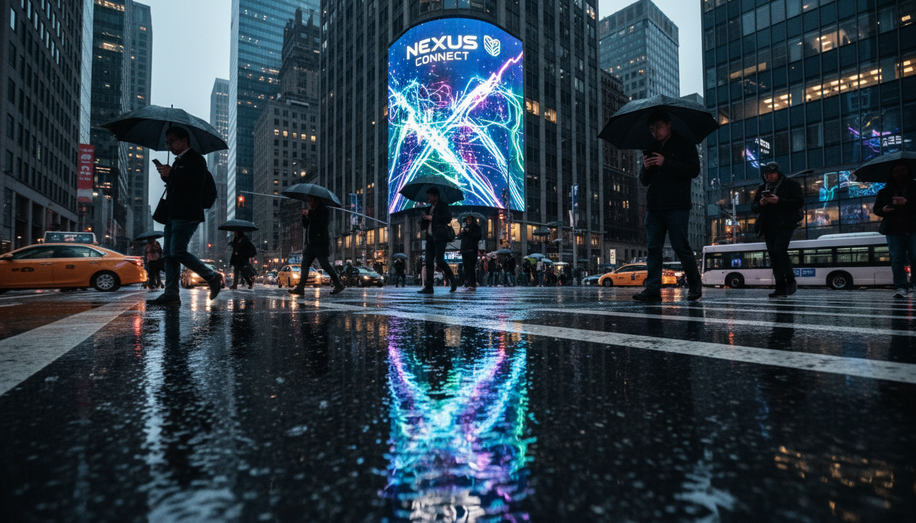

The outdoor advertising industry has long grappled with a fundamental measurement challenge: quantifying the impact of billboards, transit ads, and other out-of-home placements on consumer behavior. Geofencing technology is fundamentally transforming this landscape by creating a measurable bridge between physical ad exposure and digital consumer action.
Geofencing works by establishing virtual boundaries around specific outdoor advertising locations using mapping software. When mobile devices enter these designated zones, location services—powered by GPS, cellular triangulation, or Wi-Fi positioning—identify and capture anonymous device identifiers. This process allows advertisers to build audience segments without collecting personally identifiable information, maintaining privacy compliance while enabling sophisticated retargeting capabilities.
The technology operates through viewsheds, which define the area in which an outdoor advertisement is visible, combined with geofencing that identifies every mobile device entering that viewshed. The size and shape of these virtual boundaries vary considerably depending on factors including advertisement size, viewing angles, traffic patterns, and surrounding environmental characteristics. A geofence around a highway billboard covering a broad area requires different parameters than one surrounding a transit station poster, reflecting the varying exposure zones of each placement type.
For out-of-home advertisers, geofencing creates unprecedented opportunities to extend campaign reach beyond the initial offline exposure. Once individuals have encountered an outdoor advertisement and been identified through geofencing, advertisers can deploy mobile retargeting across multiple digital channels—including mobile web, in-app advertising, display, and connected television. This sequential messaging approach allows brands to build awareness through outdoor exposure and drive action through timely digital follow-up. A consumer might first encounter a brand message on a billboard during their commute, then receive a personalized mobile advertisement hours or days later featuring the same product or promotion.
The integration of geofencing with programmatic advertising platforms enables real-time campaign optimization and closed-loop measurement. Modern platforms facilitate seamless data flow between geofencing collection and digital ad serving, allowing advertisers to adjust retargeting strategies based on outdoor advertising performance data. This feedback mechanism creates opportunities to optimize both offline and online campaign effectiveness simultaneously. Advertisers gain concrete data on who encounters outdoor advertisements and can directly measure conversion impact that would otherwise remain invisible with traditional out-of-home placements.
Time sensitivity represents a critical strategic consideration for OOH-to-mobile retargeting. Delivering mobile ads shortly after individuals have seen outdoor advertisements significantly enhances brand recall and engagement. Implementing time-sensitive offers or promotions encourages immediate action from users who have recently interacted with OOH creative, capitalizing on the awareness already established by the outdoor exposure.
Consistent messaging across channels amplifies the effectiveness of integrated OOH and mobile campaigns. Ensuring similar visuals or messaging in mobile ads establishes a clear connection with the outdoor creative and maintains cohesive brand identity throughout the customer journey. This consistency reinforces brand messaging and increases purchase likelihood compared to disconnected advertising touchpoints.
The return on investment benefits of geofencing are substantial. Rather than broadcasting digital ads broadly and hoping to reach relevant audiences, geofencing allows advertisers to focus budgets exclusively on individuals who have already demonstrated genuine interest through their physical presence near outdoor advertisements. This targeted approach typically results in higher engagement rates and improved conversion metrics compared to broader digital advertising strategies. E-commerce brands particularly benefit from geofencing’s ability to bridge offline discovery and online purchase behavior.
From a strategic standpoint, geofencing applications extend far beyond traditional billboard retargeting. Advertisers can deploy geofences around point-of-interest locations, retail store locations, competitor locations, and major events including concerts, sports events, and conferences. This versatility allows campaigns to capture audience data across diverse touchpoints and consumer contexts.
As measurement remains paramount in advertising investment decisions, geofencing addresses a longstanding measurement gap in out-of-home advertising by providing quantifiable data on audience exposure and enabling direct attribution to digital action. For OOH advertisers seeking to demonstrate concrete campaign value while simultaneously extending reach and driving conversion, geofencing and mobile retargeting represent a strategic imperative in the evolving advertising landscape.