
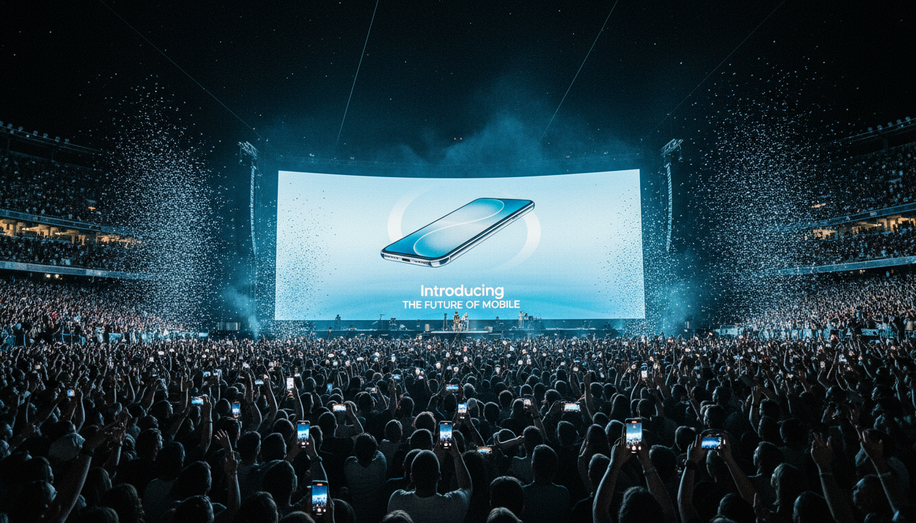

In the high-stakes world of product launches, out-of-home (OOH) advertising has emerged as a powerhouse for igniting buzz and forging immediate connections with audiences who are constantly on the move. Unlike digital channels that compete for fleeting screen time, OOH commands attention in the physical world—through towering billboards, transit wraps, and street furniture—creating unmissable moments of anticipation that propel new offerings from obscurity to must-have status. Brands launching innovative products or services are increasingly turning to these formats not just for broad awareness, but to orchestrate hype that drives early adoption, as seen in campaigns that blend bold visuals with interactive tech to turn passive viewers into active participants.
Consider the launch of Coterie, a premium diaper brand that debuted its first major OOH push in 2019 to cement awareness among affluent parents in New York City and Los Angeles. Featuring supermodel Karlie Kloss alongside babies in Coterie diapers, the four-week campaign blanketed high-traffic spots like Sunset Boulevard’s City National Bank wall, Williamsburg’s Wythe Ave, and digital video screens in malls such as Century City and Westfield San Diego. This strategic placement targeted family-heavy zones, amplified by cross-promotion on Instagram, TikTok, and email, which extended the campaign’s reach and fueled social conversations. The result? A surge in brand recognition that positioned Coterie as a sophisticated alternative in a crowded market, proving OOH’s ability to humanize a product launch through relatable, real-world imagery.
Timing and location are the linchpins of OOH success for launches, demanding hyperlocal precision to intercept audiences at peak receptivity. Iced tea newcomer Saint James mastered this in 2022 with a Times Square billboard announcing its debut, followed by QR code-laden wild postings that tracked redemptions and sales lifts. Looking ahead to spring festivals like Coachella and Stagecoach, the brand planned billboards along desert routes, Uber car wraps with onboard sampling coolers, and placements near top Costco stores to woo retail buyers and shoppers simultaneously. This multi-phased approach not only built pre-event hype but converted it into tangible metrics—distributed samples, concession sales, and coupon scans—demonstrating how OOH can sequence messaging from intrigue to action.
For Dagne Dover’s Travel 1.0 collection rollout in late 2023, OOH targeted commuter and traveler pain points with placements at New York’s Moynihan Station, Long Island Rail Road trains, and JFK Airport. Dynamic digital screens played packing videos showcasing the bags’ organization features, paired with enticing copy that sparked curiosity among high-potential demographics beyond the brand’s digital core. The campaign expanded to Dallas and Austin, yielding visible proof: more Dagne Dover bags spotted on trains and in airports, signaling expanded top-of-funnel reach and organic word-of-mouth. Such commuter-focused tactics underscore OOH’s strength in launches—reaching “out-of-norm” audiences with lifestyle-relevant creatives that resonate in context, fostering trial and loyalty from day one.
To amplify hype, forward-thinking brands integrate OOH with digital extensions, transforming static displays into dynamic launchpads. McDonald’s paired highway billboards with geofencing, delivering mobile ads to nearby devices and boosting store visits by 23.6% while achieving an 8:1 ROAS. Burberry’s urban digital OOH synced with Instagram for sequential storytelling, yielding a 29% brand preference lift and 17% higher purchase intent. QR codes bridge the gap further: ASOS’s transit shelter ads drove a 34% app download spike by linking to exclusive mobile shops, while Spotify’s “Wrapped” billboards prompted social shares, virally extending reach. Hashtags and contests, like Coca-Cola’s #ShareACoke, generated over 500,000 user posts from billboard prompts alone.
Advanced tech elevates these efforts. Near-field communication (NFC) on bus shelters lets commuters tap for instant offers—McDonald’s saw 32% higher conversions. Augmented reality (AR) overlays, as in Pepsi’s interactive billboards, stretched engagement from seconds to minutes via app views. Retargeting via device IDs near OOH sites delivers 3.9x better mobile conversions, while beacons and small-format displays in elevators or taxis enable hyperlocal extensions. Measurement tools like lift studies, mobile tracking, and promo codes quantify impact, comparing exposed markets to controls for precise ROI attribution.
Sequential messaging across OOH formats builds narrative momentum: tease on billboards, elaborate on transit, convert via street furniture. Creative consistency—unified visuals adapted to each medium—ensures recall, with calls-to-action like “Scan for Launch Access” directing traffic to microsites or apps. For service launches, ambient media like building projections or mall place-based screens create event-like spectacles, drawing crowds and social amplification.
Ultimately, OOH for product launches thrives on its ability to cut through digital noise, delivering massive impressions with emotional immediacy. As DTC brands evolve from provocative stunts to performance-driven executions, the channel’s blend of scale, targeting, and interactivity positions it as indispensable for buzz-building. With data-backed integrations, launches don’t just announce—they captivate, converting urban landscapes into launch amplifiers that propel new offerings to market dominance. To truly master this, platforms like Blindspot offer the advanced location intelligence and site selection crucial for hyperlocal precision, paired with real-time campaign performance tracking and robust ROI measurement and attribution, ensuring every launch amplifies awareness into measurable success. Discover how at https://seeblindspot.com/