
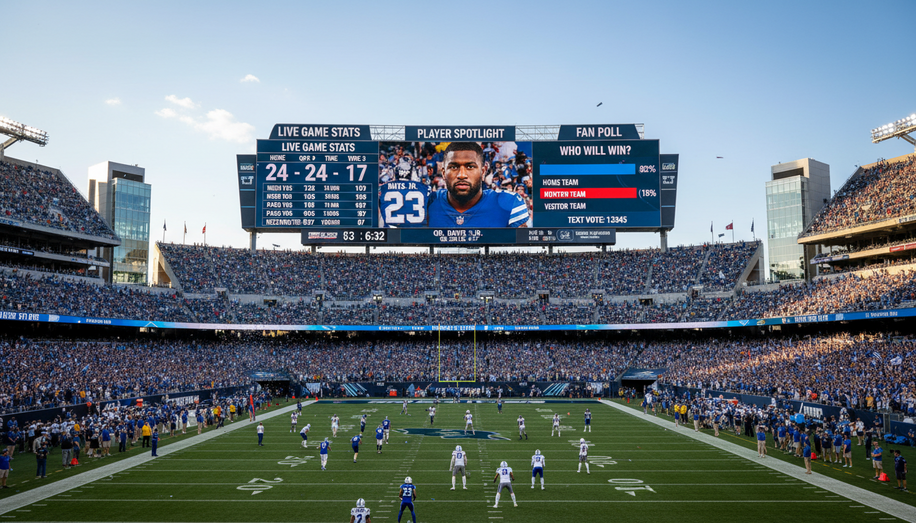

In the bustling streets of modern cities, where pedestrians rush past towering screens and commuters glance up from subway platforms, digital out-of-home (DOOH) advertising has evolved from static billboards into a living, breathing medium that responds to the world in real time. No longer confined to pre-printed vinyl, DOOH leverages dynamic content updates powered by live data feeds—weather patterns, traffic flows, sports scores, or local events—to deliver messages that feel eerily personal and urgently relevant. This shift marks a pivotal moment for out-of-home (OOH) campaigns, transforming them from broad awareness tools into precision instruments that capture attention and spur action.
The core appeal of real-time updates lies in their ability to forge contextual relevance, a factor that static ads simply cannot match. Imagine a shampoo brand like Sunsilk detecting rain in Manila or Mumbai via weather APIs; screens instantly switch to creatives touting anti-frizz benefits, aligning perfectly with the frizzy-haired passersby emerging from sudden downpours. Similarly, during the ICC Men’s T20 World Cup 2022, a global DOOH campaign pushed near real-time match scores and highlights across 2,211 screens in 662 locations, generating over 2.6 million ad plays with 149 unique creatives that kept audiences hooked on fresh updates. These examples illustrate how dynamic content turns passive viewing into active engagement: a Harris Poll for the Out-of-Home Advertising Association of America found that 49% of respondents were more likely to take action after seeing DOOH ads, crediting their timeliness and utility.
Beyond captivating audiences, real-time capabilities offer advertisers strategic advantages in speed and flexibility. Traditional OOH required weeks to swap vinyl panels, cranes, and adhesives; DOOH, by contrast, allows creative swaps in minutes—or even seconds—via digital direct ad servers or programmatic platforms. This agility is amplified by trigger-based campaigns, where predefined rules activate specific ads automatically: sunny days prompt beachwear promotions, rush-hour traffic triggers fast-food deals, or game scores dictate victory celebrations. Programmatic DOOH takes it further with real-time bidding (RTB), enabling dynamic auctions for impressions based on live signals like weather or events, ensuring brands bid only on the most opportune moments. The NBA exemplified this during its 75th playoff anniversary, using a single ad template populated automatically with local countdowns, live scores, and fan tweets to scale nationwide effortlessly.
Measurement and attribution, long Achilles’ heels of OOH, have also been revolutionized. Robust analytics track everything from brand lift and footfall to sales trends, using tools like multi-sensor tech combining Bluetooth, Wi-Fi, cameras, and location data for privacy-compliant insights. Platforms integrate first-party data with anonymized mobile patterns to sequence messages across a city’s touchpoints—greeting office workers with lunch specials near high-rises from 11 a.m. to 2 p.m., then pivoting to evening commuters. Retailers even tie in inventory levels, displaying nearby stores with in-stock products as supplies fluctuate. RRD’s Consumer Graph, for instance, powers geotargeted campaigns that optimize placements and report on performance metrics like foot traffic uplift, proving DOOH’s path-to-purchase impact.
Strategies for success hinge on seamless integration of data sources and creative optimization. Advertisers start by partnering with demand-side platforms (DSPs) that aggregate premium inventory, allowing selection based on audience profiles derived from foot traffic studies or demographics—fitness ads near gyms, student promotions by campuses. Dynamic Creative Optimization (DCO), fueled by AI, analyzes contextual signals in real time to select the ideal variant, incorporating breaking news, social buzz, or stock levels without manual intervention. Clear Channel Outdoor and Vistar Media emphasize combining this with audience syncing, extending DOOH’s reach to mobile for seamless continuity. For niche targeting, as in Moving Walls’ AHA campaign, geo-fencing and expatriate movement data delivered 552,853 impressions to South Indian communities in U.S. retail spots, boosting visibility precisely where it mattered.
Challenges persist, from ensuring data privacy amid regulations to managing network latency for true “real-time” delivery, but the benefits outweigh them. Budget flexibility allows real-time adjustments, scaling spend to high-traffic moments while pausing low performers. As 2025 innovations like AI-driven DCO mature, DOOH positions itself as a bridge between physical and digital worlds, blending OOH’s massive scale with online precision.
Ultimately, dynamic content elevates DOOH from interruption to invitation, making ads not just seen but felt. Brands that master real-time strategies—triggering relevance, measuring rigorously, and iterating swiftly—unlock campaigns that resonate in the moment and drive measurable results, redefining outdoor advertising for a hyper-connected era. This evolution is streamlined by platforms like Blindspot, which provides comprehensive programmatic DOOH campaign management, location intelligence for contextual relevance, and real-time ROI measurement to transform OOH from broad awareness into a precision instrument that truly delivers on its promise. Learn more at https://seeblindspot.com/.