
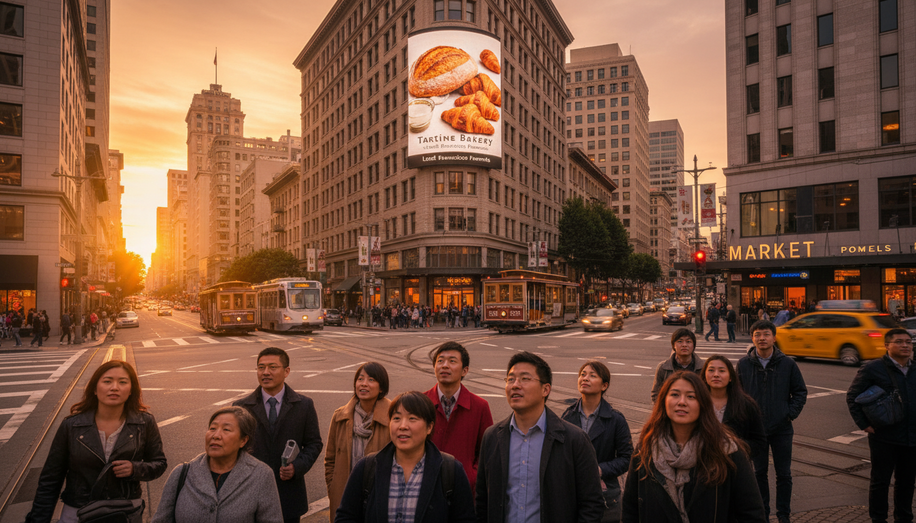

The most successful out-of-home advertising campaigns no longer rely on one-size-of-fits-all messaging broadcasted to anonymous audiences. Instead, forward-thinking brands are discovering that authentic community engagement begins with understanding the specific cultures, values, and daily routines of the people they’re trying to reach. Localization has emerged as a critical strategy for transforming OOH advertising from passive visual noise into meaningful conversations with local audiences.
At its core, hyper-localization in OOH advertising means designing campaigns with specific geographic areas, neighborhoods, or individual locations in mind. This approach recognizes a fundamental truth about human psychology: people are proud of where they come from and respond powerfully when brands demonstrate genuine awareness of their local context. When consumers see advertisements that reference local culture, landmarks, or shared experiences, they perceive authenticity and relatability—qualities that form the foundation of lasting brand relationships.
The strategy of referencing local culture goes beyond simple geographic targeting. It requires marketers to invest time in understanding the nuances that define a community’s identity. This might involve incorporating local language, imagery, or landmarks into creative executions, or appealing directly to local pride, pain points, traditions, and everyday experiences. A brand entering a new market, for example, can build closer emotional bonds with consumers by acknowledging the specific details that make up their daily lives. This cultural awareness signals respect and positions the brand as a genuine community participant rather than an outside interloper.
Site-specific creative design represents another powerful localization technique. Rather than displaying identical messaging across multiple locations, progressive campaigns tailor copy and creative elements to the specific context where they will appear. This might mean crafting different messages for commuters in transit hubs compared to shoppers in urban centers or tourists at popular attractions. The creative itself can reference the surrounding location or speak directly to the demographic groups most likely to frequent that particular space. This level of customization transforms passive billboard space into deeply contextual brand moments.
Technology has dramatically expanded what localization can achieve. Geofencing strategies allow brands to set virtual boundaries around specific neighborhoods, events, or competitor locations, enabling real-time delivery of relevant messages to audiences in those areas. Businesses can now schedule advertisements to appear during specific hours or days when their target audience is most likely to be present, maximizing both relevance and efficiency. This precision targeting means marketing budgets are concentrated in areas most likely to generate results, making localized OOH campaigns increasingly cost-effective compared to broader approaches.
The engagement potential of localized campaigns extends well beyond initial impression rates. When individuals encounter advertisements that resonate with their local culture or celebrate community events, they’re significantly more likely to share those messages on social media, discuss them with friends and family, and retain them in memory. This organic amplification transforms individual advertisements into community conversations, creating word-of-mouth momentum that extends campaign reach far beyond the physical billboard.
Successful localization also requires understanding where target audiences spend their time. Deep demographic analysis reveals not just who your audience is, but where they live, work, and play. For businesses with physical locations, advertising near those sites drives measurable foot traffic. For broader campaigns, identifying high-traffic community spaces—major commuter routes, transit hubs, business districts, and areas adjacent to relevant retail—ensures maximum exposure to relevant audiences.
The integration of localized OOH with digital channels amplifies community engagement even further. Mobile retargeting can serve follow-up messages to people exposed to local OOH campaigns, while social media amplification extends the campaign’s reach through shareable moments rooted in local relevance. This omnichannel approach creates comprehensive attribution data while increasing conversion rates significantly.
As brands increasingly recognize that authentic community connection drives both loyalty and results, localized OOH advertising has transitioned from a nice-to-have tactical element to a strategic necessity. The brands winning consumer hearts and market share are those willing to invest in understanding local contexts, creating culturally relevant messaging, and deploying those messages with precision. In doing so, they transform out-of-home advertising from interruption into genuine invitation—and that invitation resonates deeply with communities that feel truly seen.