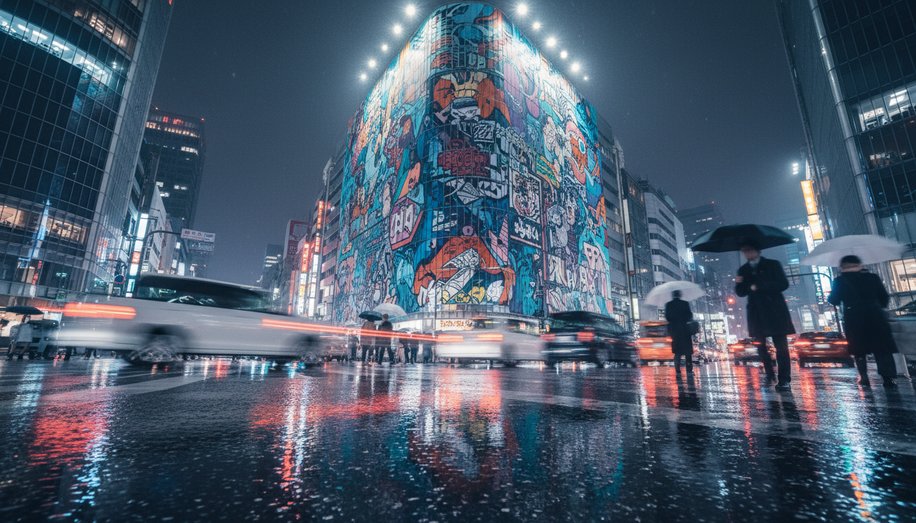

In the bustling streets of New York, Los Angeles, and Chicago, a quiet revolution is underway, where towering billboards once dominated by static logos now pulse with the raw energy of hand-painted murals. Brands are increasingly turning to street artists to craft OOH campaigns that blur the line between advertising and public art, creating immersive experiences that demand attention and spark conversation. This fusion, gaining momentum into 2026, transforms urban landscapes into collaborative canvases, where 71% of consumers already pause to absorb roadside messages, and 56% eagerly share the most memorable ones with friends.
The appeal lies in authenticity. Traditional vinyl billboards often fade into the background, but murals—original works commissioned on permitted high-traffic walls—plug brands directly into the visual language of street culture. Agencies like Altterrain specialize in these “hand-painted billboards,” typically spanning 200 to 300 square feet, where artists layer 90% original creativity with just 10% brand messaging. The result? Installations that feel organic, not imposed, inviting selfies, time-lapse videos, and social shares that amplify reach far beyond the street. In trend-setting neighborhoods, these pieces resonate because they add to the environment rather than disrupt it, fostering curiosity and respect for the sponsor.
Take KFC’s “KFC out-doors” campaign, a disruptive partnership with TBWA\RAAD that played with infrastructure in unexpected ways, echoing the guerrilla spirit of street art. By subverting everyday structures much like graffiti artists do, the fast-food giant created buzz without relying on digital screens. Similarly, Britannia’s “Nature Shapes Britannia” initiative in India molded eco-friendly billboards to mimic surrounding trees, a nod to sustainability that street artists have long championed through organic, site-specific works. These examples illustrate how brands leverage artists’ expertise to deliver experiential advertising—guerrilla-style activations that lodge in passersby’s memories, outperforming conventional formats.
Augmented reality (AR) is supercharging this trend, turning murals into interactive portals. PepsiCo and Nike have pioneered AR murals that overlay digital layers on physical art, providing metrics like engagement data while enhancing storytelling. Vodafone’s AR billboard campaign exemplifies the payoff: it reached 50 million people, drove 40% of engaged users to stores, and generated 17,000 minutes of interaction, with 82% of participants craving more. For street art collaborations, AR adds selfie zones, QR codes, and contests, turning static walls into dynamic experiences that collect real-time insights. As OOH evolves, this tech bridges the physical and digital, making artist-brand partnerships measurable and scalable.
Community integration marks another shift. Brands succeeding in 2026 partner with cities and local artists, stepping back to let community narratives lead while subtly weaving in their values. This approach avoids overt sales pitches, building positive associations through shared cultural moments—like festivals or urban milestones—where OOH thrives on emotional resonance and collective pride. In 2026, street art’s investment allure underscores its cultural capital; what was once graffiti on walls now fetches seven-figure prices, drawing blue-chip brands eager for that credibility.
Yet challenges persist. Balancing artistic freedom with commercial goals requires trust—artists demand creative control to maintain integrity, while brands seek ROI through shares and foot traffic. Eco-conscious installations, like Britannia’s nature-adapted boards, address criticisms of LED eyesores, aligning with sustainability demands in a year when OOH proves its purpose without preaching. Interactive transit ads, infused with street art flair, further evolve this: Sunsilk’s fun, story-driven pieces stop commuters in their tracks, blending product value with memorable visuals.
Looking ahead, 2026 forecasts bolder experiments. With digital fatigue pushing budgets toward OOH’s reliable presence—unfiltered by algorithms or ad blockers—street art collaborations offer a corrective force. Expect more pop-ups like Kiehl’s ski-resort takeover, merging murals with influencer content and personalized activations. National coverage in major cities will expand, with murals in music venues or transit hubs layering AR for hybrid impact.
Ultimately, these partnerships redefine OOH as cultural participation, not interruption. By 26% of viewers visiting brand sites post-exposure, the data confirms their pull. As street art ascends from urban edges to investment frontier, brands that collaborate thoughtfully will not just advertise—they’ll co-create the city’s evolving narrative, turning every wall into a shared story.