
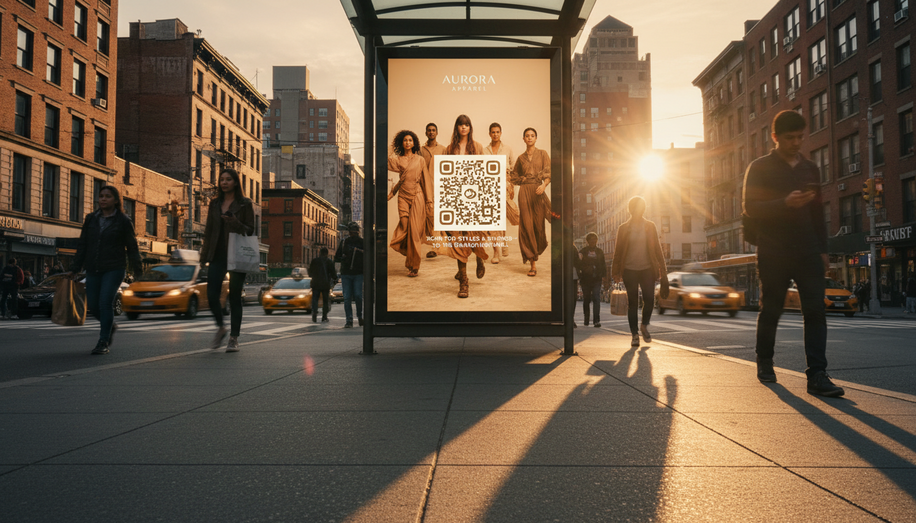

In the bustling intersection of physical retail spaces and digital innovation, retail media networks (RMNs) are converging with out-of-home (OOH) advertising to create powerful new pathways for brands to capture consumer attention and drive sales. This integration, particularly through digital OOH (DOOH) formats inside stores, malls, and high-traffic retail environments, allows advertisers to deliver hyper-targeted messages precisely when shoppers are primed to buy, blending the broad reach of OOH with the precision of retail data. As retailers like Amazon dominate the space—commanding about three-quarters of U.S. retail media ad revenue—brands are increasingly turning to these networks to amplify visibility beyond traditional shelves and screens.
Retail media networks extend far beyond simple digital signage, incorporating content strategy, advertising management, analytics, and consumer engagement tools into a unified platform that influences purchasing behavior in real time. In physical stores, this manifests as networks of digital displays, interactive kiosks, sensors, and AI-driven analytics placed strategically at aisles, checkout counters, and entrances. These setups enable brands to serve dynamic, contextually relevant ads to high-intent shoppers, such as highlighting camping gear to outdoor enthusiasts browsing a Bass Pro Shops aisle or promoting home improvement tools near Home Depot’s seasonal displays. Unlike static OOH billboards that build broad awareness, in-store RMNs offer closed-loop measurement, tracking interactions via tools like millimeter wave sensors to attribute sales directly to ad exposure and prove return on ad spend (ROAS).
This synergy unlocks enhanced visibility for brands by merging OOH’s commanding presence with retail’s shopper insights. For outdoor-focused companies targeting hunters, anglers, or hikers, retail media in specialty stores like Bass Pro Shops provides sponsored in-store displays, digital signage, and targeted email promotions that resonate with consumers already in a buying mindset. PUMA, for instance, standardized its in-store storytelling across varied retail formats—malls, flagships, even historic buildings—using modular DOOH hardware and flexible content management systems to ensure consistent messaging amid diverse store layouts. The result is seamless integration: ads blend non-disruptively into the shopping experience, fostering engagement without interruption and outperforming traditional media through performance-based pricing like pay-per-click or pay-per-action.
Sales lift comes from the proximity to the point of purchase, where OOH-enhanced RMNs capitalize on purchase intent. Global data shows these networks can deliver sixfold increases in advertising revenue for venues like malls, with payback periods under 18 months, as seen in Urban Edge’s deployment of dynamic kiosks and screens. Retailers benefit too, monetizing high-traffic spaces for endemic and non-endemic brands while gaining actionable insights into dwell time, engagement rates, and content performance. Brands gain a competitive edge by outbidding rivals for prime placements, leveraging retailer data for demographic targeting, and optimizing campaigns mid-flight—far surpassing the passive exposure of roadside billboards.
The omnichannel potential amplifies this trend further. DOOH within RMNs integrates with digital channels, social media, and even QR codes or NFC tags on screens, creating cohesive experiences that extend in-store impact online. Picture a large-format digital wallscape near a retail center prompting a scan that leads to a sponsored product listing on Amazon Ads, where the shopper completes the purchase. This multi-channel weave builds brand familiarity subtly, as OOH’s constant urban presence reinforces retail media’s targeted punch, driving loyalty and conversions. Forward-thinking retailers like those partnering with StrataCache or Gable are deploying these systems to personalize content based on real-time data, turning stores into revenue-generating media hubs.
Challenges persist, however, including fragmented hardware across locations and the need for robust governance to balance national consistency with local relevance. Yet, as RMNs evolve into the “next frontier of DOOH,” they promise measurable ROI through metrics like ad revenue, shopper engagement, and attribution—positioning in-store OOH as indispensable for brands seeking sales acceleration. Amazon’s streamlining of online campaigns underscores consolidation, but physical integrations via Home Depot or Bass Pro Shops highlight untapped potential in brick-and-mortar spaces.
For brands, the opportunity is clear: by embedding OOH creativity—think immersive storefront wraps or sustainable large-format displays—into RMNs, they transform retail environments into interactive brand narratives. This fusion not only boosts immediate sales but fosters long-term loyalty among engaged consumers. As 2026 unfolds, expect more collaborations between OOH specialists like Pearl Media and RMN platforms, delivering data-driven campaigns that redefine advertising at the shelf edge. The message is unequivocal: integrating OOH with retail media isn’t just emerging—it’s essential for brands aiming to thrive in a shopper-centric world.