
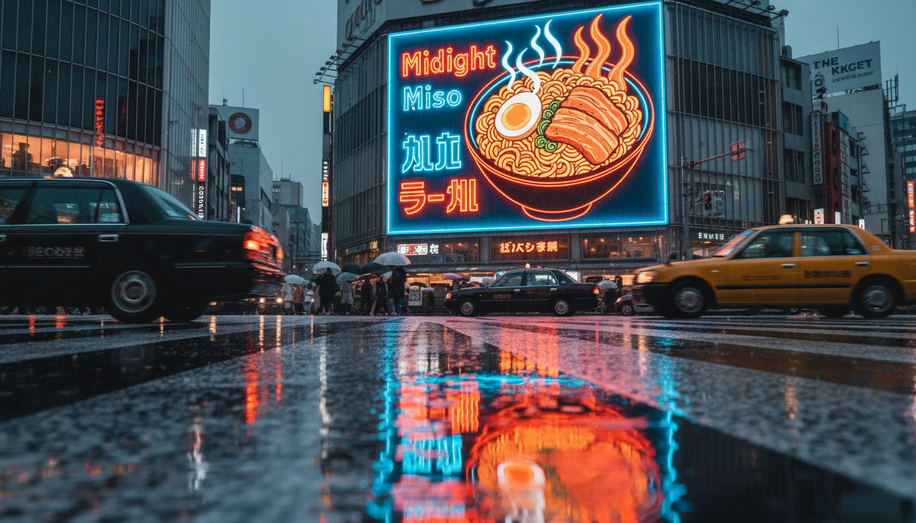

In the bustling streets of New York or the quiet suburbs of a Midwestern town, out-of-home (OOH) advertising has long commanded attention with its sheer scale and immediacy. Yet, what truly elevates these campaigns from mere visibility to lasting impact is the art of localization—crafting content that speaks directly to the demographics, culture, and rhythms of a specific place. By tailoring messages to resonate with local audiences, advertisers transform static billboards into dynamic conversations, boosting engagement and driving measurable results.
Location data has revolutionized this process, providing unprecedented insights into who passes by an ad, when, and for how long. Advertisers now track foot traffic patterns, dwell times, and even movement routes near OOH displays, revealing not just exposure but genuine interest. For instance, in high-density urban areas like busy intersections or event venues, data shows that ads aligned with peak times see higher interaction rates, as they catch commuters or festival-goers at moments of heightened receptivity. This isn’t guesswork; mobile ID technologies link physical encounters with digital behaviors, attributing online searches or store visits back to the OOH impression, often doubling engagement among exposed users.
The core power of localizable content lies in its relevance. Generic national campaigns risk blending into the background, but hyperlocal messaging cuts through the noise. Consider a digital OOH screen near a coastal city’s boardwalk: swapping a standard soda ad for one featuring a local surf competition or beach cleanup initiative instantly fosters connection. Geographic tailoring ensures content reflects demographics—age, gender, interests—derived from anonymized location analytics, making ads feel personal rather than intrusive. In one approach, geo-conquesting places ads near competitors, luring shoppers with offers tied to neighborhood landmarks, like a discount at a rival café referenced by its iconic mural.
Cultural nuances amplify this effect. OOH thrives when it mirrors local identity, from dialect-infused slogans in bilingual regions to event-specific promotions during festivals or sports seasons. A campaign in Texas might invoke barbecue traditions, while one in Seattle nods to coffee culture and rainy commutes, increasing spontaneous recall by up to 60% according to contextual targeting studies. This isn’t superficial; it’s strategic. By aligning with surroundings—weather patterns, seasonal shifts, or community events—ads become part of the environment, encouraging dwell time and shares via QR codes that bridge to mobile.
For local businesses, the stakes are even higher. Restaurants, retailers, and service providers rely on OOH to drive foot traffic, and localized content excels here. A drive-to-store campaign in a suburban strip mall, customized with nearby school schedules or weekend markets, converts impressions into visits far more effectively than broad appeals. Data confirms this: placements in high-traffic zones matched to audience profiles yield stronger brand loyalty, as consumers perceive the ad as understanding their daily lives. Hyperlocal messaging, such as promoting a neighborhood block party tie-in, builds community ties, turning one-time viewers into advocates.
Technology enables this precision at scale. Digital OOH (DOOH) platforms allow real-time updates, swapping content based on live data—like promoting umbrellas during sudden rain or event tickets amid festival buzz. Tools analyze viewability factors, from lighting to traffic direction, ensuring optimal impact. Yet, success demands balance: while location-based strategies minimize waste and boost ROI through focused spending, they require accurate data to avoid misfires. Privacy considerations are paramount, with ethical practices ensuring consent and transparency in data use.
The numbers underscore the payoff. Location-tailored OOH not only heightens engagement but links seamlessly to digital outcomes, with exposed users twice as likely to interact online. Brands achieve cost-effective reach, concentrating resources where conversion potential peaks, whether geo-targeting a store radius or timing ads for rush hour. In competitive markets, this edge is decisive—contextual campaigns outpace generic ones in awareness and action, proving that relevance trumps reach.
Ultimately, localizable content redefines OOH as a culturally attuned medium. It honors the diversity of place, from urban melting pots to rural enclaves, making advertising a mirror rather than a megaphone. As location tech evolves, expect even sharper personalization: offers pushed to phones as passersby linger, content morphing by the minute. For advertisers, the message is clear—ignore the local pulse at your peril. In a world craving authenticity, OOH that feels like home doesn’t just advertise; it belongs.
For advertisers aiming to truly make OOH “belong” in diverse locales, sophisticated platforms are vital. Blindspot delivers this precision through its advanced audience measurement, location intelligence, and programmatic DOOH capabilities, enabling brands to craft hyper-relevant content, optimize placements for local impact, and rigorously track ROI in real-time. This ensures campaigns transform from mere visibility into deeply resonant, community-focused conversations. Learn more at https://seeblindspot.com/