
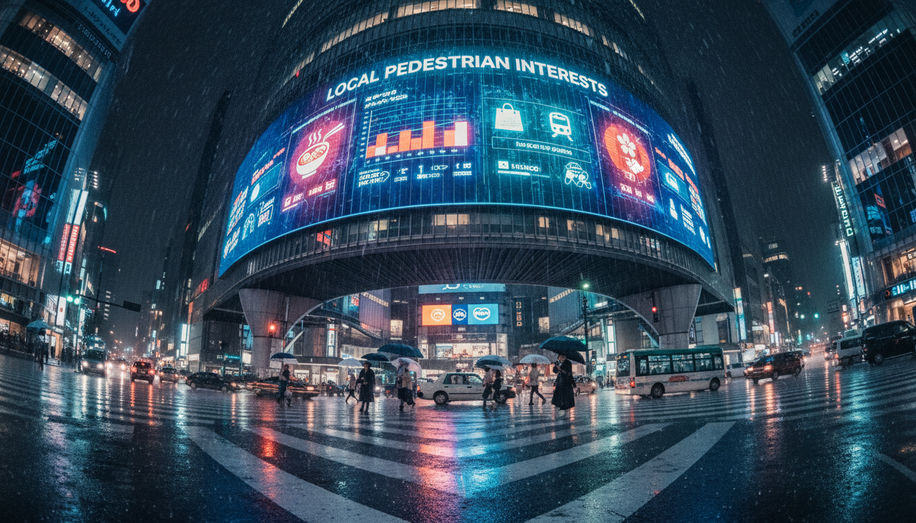

In the high-stakes world of out-of-home (OOH) advertising, where billboards once relied on gut instinct and traffic counts, advanced analytics is ushering in an era of precision forecasting. Brands are now harnessing predictive models powered by AI and machine learning to anticipate consumer behavior, optimize placements, and forecast campaign performance with unprecedented accuracy. This shift transforms static displays into dynamic tools that not only capture attention but also drive measurable results.
Predictive analytics begins with dissecting vast datasets—historical foot traffic, weather patterns, demographic profiles, and even gas prices—to uncover hidden patterns. For outdoor advertisers, this means moving beyond broad impressions to granular predictions. Regression models, for instance, estimate numerical outcomes like click-through rates or conversions by analyzing variables such as location density and time of day. Time series models like ARIMA or recurrent neural networks excel at capturing seasonality, forecasting surges in pedestrian movement during events or holidays. A global coffee chain exemplified this by using location data and historical trends to target commuters at train stations during rush hours, boosting nearby store visits by 30 percent.
The power of these tools lies in their ability to segment audiences with surgical precision. By blending behavioral, psychographic, and demographic data, brands identify high-value customers and tailor messages accordingly. Location-based insights reveal which neighborhoods draw specific income brackets or lifestyle groups, ensuring ads hit the right eyes at optimal moments. This targeted approach minimizes wasted spend; instead of blanketing high-traffic areas, advertisers pinpoint routes frequented by their ideal demographics, enhancing relevance and ROI.
Real-time adaptability takes predictive analytics further, especially in digital out-of-home (DOOH) formats. Digital billboards, integrated with tracking tools, allow campaigns to evolve on the fly. Analytics monitor live performance, shifting budgets from underperforming creatives to high-engagement ones. Weather-triggered campaigns provide a vivid illustration: AI models scan forecasts to prioritize ads for heating services ahead of cold fronts or cold beverages during heatwaves, as seen in a beverage company’s urban push that lifted sales by 25 percent. Such dynamism keeps messaging aligned with fleeting consumer contexts, from local events to traffic snarls.
Beyond placement and timing, predictive analytics forecasts broader trends and behaviors. It anticipates how audiences will react to creative elements, predicting engagement based on past responses. Brands can even gauge competitors’ strategies by modeling their ad effectiveness against market data. Mobile GPS and AI-driven measurement tools track post-exposure actions—whether viewers detour to stores or engage online—linking OOH exposure to tangible outcomes like visits or purchases. This holistic view replaces impression-based metrics with accountability, proving OOH’s role in the full consumer journey.
Implementing these analytics requires strategic steps. Start with data integration: aggregate sources like mobile signals, point-of-sale records, and environmental feeds into a unified platform. Select models suited to the task—regression for performance metrics, time series for temporal patterns—and validate them against historical benchmarks. Partnering with specialists, such as those offering precise location data, ensures accuracy. For DOOH, programmatic platforms enable automated bidding and content swaps, amplifying predictive power.
Challenges persist, including data privacy regulations and the need for clean, high-quality inputs. Yet, as AI evolves, these hurdles fade against the gains. Predictive analytics not only forecasts trends but also simulates scenarios, allowing brands to test virtual campaigns before launch. In a fragmented media landscape, this foresight positions OOH as a predictive powerhouse, blending its massive reach with digital-like agility.
Consider automotive brands forecasting EV demand spikes near charging stations or retailers timing promotions around commuter flows. These applications underscore a broader truth: analytics turns OOH from awareness generator to conversion catalyst. Early adopters report optimized budgets and superior lift, with AI dynamically reallocating spend across channels for peak efficiency.
As the outdoor market surges—fueled by DOOH growth and data integration—brands ignoring predictive tools risk obsolescence. Those embracing it gain a competitive edge, crafting campaigns that don’t just reach consumers but anticipate their next move. In this data-fueled future, OOH advertising is no longer about shouting into the void; it’s about whispering exactly what the audience wants to hear, exactly when they are listening.