
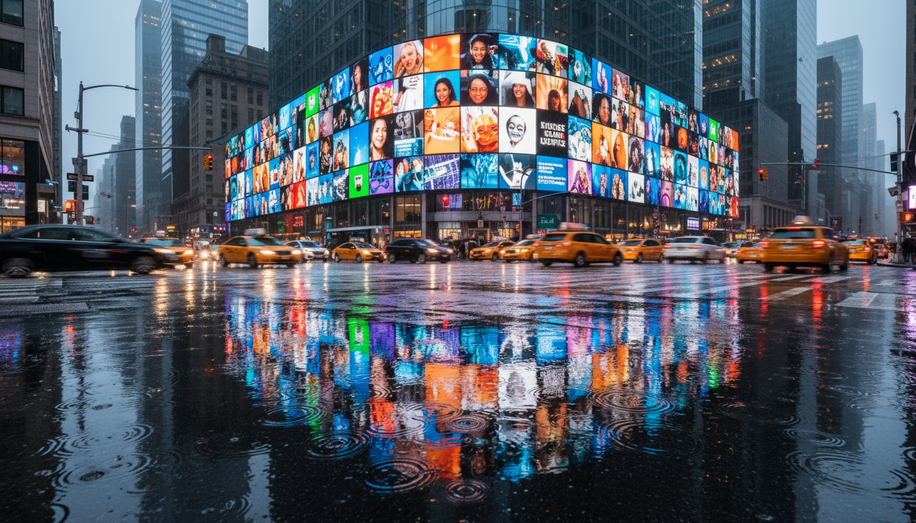

Out-of-home advertising has long relied on static images and broad messaging to capture attention in public spaces. However, a growing number of brands are discovering that integrating user-generated content (UGC) into their OOH campaigns creates a more authentic connection with audiences while simultaneously driving measurable results. By showcasing real customer experiences and stories, brands can transform traditional outdoor advertising into compelling narratives that resonate with passersby.
The shift toward UGC in OOH advertising addresses a fundamental consumer desire for authenticity. Modern audiences, particularly outdoor enthusiasts, place tremendous value on genuine, unfiltered moments rather than polished corporate messaging. When consumers encounter real customer photos, testimonials, and experiences displayed on billboards, transit ads, or digital screens, they perceive greater credibility than they would from conventional advertising. This authenticity builds trust, which translates into stronger brand loyalty and increased consumer engagement.
Several brands have successfully demonstrated how UGC enhances OOH campaigns. During the Tour de France, the cycling brand Le Col partnered with Strava to create a user-data-driven campaign that displayed real-time rankings of distances cycled by participants across different counties and cities on digital out-of-home displays. This approach leveraged competitive spirit while celebrating genuine user participation, making the campaign deeply personal to viewers. Similarly, digital out-of-home platforms can feature customer photos and testimonials that rotate through different locations, creating a dynamic advertising experience that feels fresh and community-driven rather than corporate.
Implementing UGC in OOH campaigns requires a strategic foundation. Brands should begin by creating branded hashtags that encourage customers to share their experiences on social media platforms. These hashtags serve as collection points for authentic content that can later be curated and featured on outdoor displays. Additionally, running UGC contests with appealing prizes incentivizes customer participation and generates a steady stream of high-quality content. The resulting images and videos become valuable assets that can be distributed across multiple OOH channels, maximizing the return on investment.
Digital out-of-home technology has made content integration increasingly sophisticated. Programmatic DOOH systems allow brands to display customer content dynamically, rotating between different UGC pieces throughout the day or across multiple locations. This technological capability enables brands to maintain campaign freshness while ensuring maximum relevance to local audiences. For instance, national brands can showcase UGC that reflects regional characteristics, making campaigns feel locally personalized despite their broader scope.
The measurable impact of UGC-driven OOH campaigns provides compelling evidence of their effectiveness. The watch brand CLUSE leveraged user-submitted photos and videos across social platforms, collecting nearly 19,000 pieces of content from their online community and achieving a 19 percent increase in conversion rates. By displaying this user-generated content as lookbooks and carousels on product pages linked directly from their OOH campaign materials, CLUSE created a seamless journey from outdoor impression to purchase.
Engagement extends beyond mere viewership. When brands respond to and acknowledge customer contributions through their OOH campaigns—by featuring specific customers’ stories or highlighting their achievements—they cultivate a sense of community. This two-way interaction transforms UGC from passive content collection into active dialogue, strengthening the emotional bonds between brands and their audiences.
For brands considering UGC integration, the implementation process should prioritize both discovery and curation. Engaging directly with customers, featuring their stories prominently, and creating diverse collections of UGC ensures that OOH displays reflect the genuine variety of customer experiences. Whether showcasing breathtaking adventure photos, detailed product testimonials, or behind-the-scenes brand stories, authentic content consistently outperforms generic marketing materials in capturing attention and driving consumer action.
As OOH advertising continues to evolve, user-generated content represents a significant opportunity for brands to differentiate themselves. By shifting from purely promotional messaging to authentic storytelling grounded in real customer experiences, brands can create outdoor campaigns that feel less like advertising and more like celebrations of their communities. In an increasingly competitive media landscape, this authenticity-first approach has become not merely advantageous but essential for capturing and maintaining audience engagement. For brands seeking to fully capitalize on this authenticity-first approach, platforms like Blindspot offer the advanced programmatic DOOH campaign management tools needed to dynamically deploy and optimize UGC across diverse locations. Furthermore, its robust ROI measurement and attribution capabilities provide the critical insights to track the tangible impact of these community-driven narratives, ensuring brands can precisely quantify engagement and conversion from their OOH investments. Learn more at https://seeblindspot.com/