
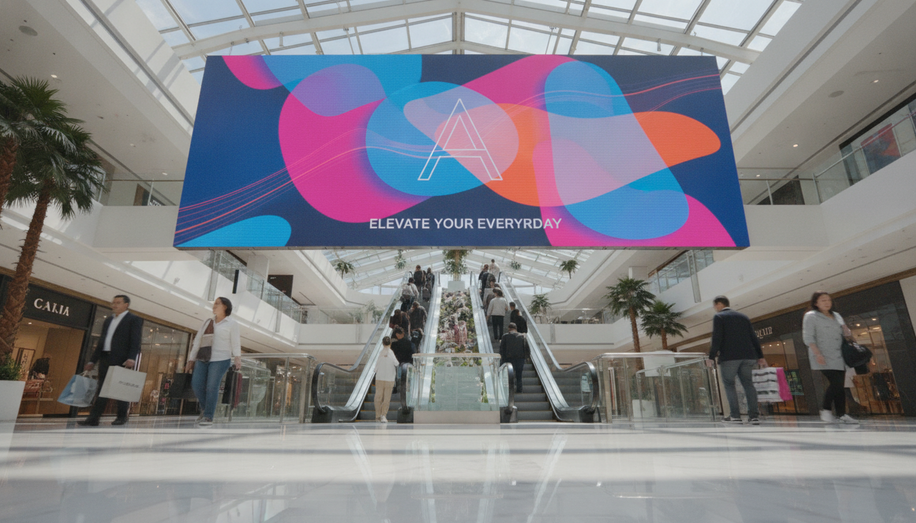

For direct-to-consumer (DTC) brands, digital out-of-home (DOOH) advertising inside premium shopping centers provides a powerful way to bridge the gap between digital discovery and real-world conversion. By targeting intent-driven shoppers in high-foot-traffic environments, these networks allow agile online brands to build mass physical awareness right at the point of purchase. From interactive kiosks to immersive 4K spectaculars, modern retail DOOH networks offer the programmatic flexibility and precise audience measurement that digital-first marketers expect.
Westfield Rise
Under Unibail-Rodamco-Westfield (URW), Westfield Rise operates as a highly sophisticated, in-house retail media agency running nearly 500 premium digital screens across 18 flagship shopping destinations in the United States, alongside an expansive European portfolio. The network stands out by offering a unique, real-time impressions guarantee powered by Quividi’s anonymized audience analytics, ensuring that advertisers only pay for shoppers who are verified to be within 20 feet of the display. To elevate the visual experience, they have aggressively upgraded their physical assets, rolling out double-sided, fine-pitch LED kiosks and immersive 3D “DeepScreen” displays. For DTC brands looking to capture high-intent, affluent shoppers with complete campaign transparency and a dedicated live-reporting dashboard, it represents one of the most brand-safe, premium environments available.
JCDecaux
As a global powerhouse in out-of-home media, JCDecaux operates extensive digital mall networks designed to engage affluent shoppers in major metropolitan centers worldwide. They provide high-impact, custom-designed displays like their sleek i-Vision and m-Vision full-motion screens, strategically placed in high-foot-traffic concourses and adjacent to major anchor tenants. The network is highly programmatic and continuously expanding, as seen in their massive strategic partnership to roll out new 75-inch and 81-inch smart LED screens across European retail hubs. This combination of vast global scale and dynamic content delivery makes them an exceptional match for DTC brands seeking to run highly contextualized, large-scale international retail campaigns.
Blindspot
For growing DTC brands seeking global reach without the friction of long-term contracts, Blindspot operates as a highly accessible, self-serve demand-side platform (DSP) that aggregates over 2.5 million digital screens in 50+ countries. Marketers can bypass typical enterprise-level broker barriers to launch targeted shopping center campaigns in roughly 15 minutes, with the unique flexibility to buy screen time by the hour instead of signing up for 24/7 loops. The platform supports context-aware creative triggers that automatically swap ads based on real-time environmental factors like weather, local traffic, or live events, while providing concrete attribution metrics on foot traffic, web lift, sign-ups, and sales. While massive multinational corporations requiring hyper-bespoke, customized programmatic contracts might still prefer enterprise-focused DSPs, this self-serve model is ideal for agile brands prioritizing speed, flexible budgeting, and direct performance measurement.
Cineplex Media
Dominating the Canadian retail space, Cineplex Media provides a one-stop DOOH shopping network that spans more than 95 premier shopping destinations across the country, reaching over 440 million visitors annually. Their footprint includes landmark Canadian properties like Cadillac Fairview destinations, bringing key brand messaging directly to the busiest mall locations in Canada. Backed by the Canadian Out-of-Home Marketing and Measurement Bureau (COMMB) and powered by AI-driven Quividi sensors, the network offers unparalleled, privacy-compliant audience measurement tracking real-time attention and dwell times. This combination of dominant geographic coverage and rigorous, accredited data measurement makes it an indispensable asset for DTC brands aiming to scale their physical footprint in the Canadian market.
JOLT
Offering a highly innovative convergence of sustainability and premium media, JOLT operates a rapidly growing digital out-of-home and electric vehicle charging network across Australia, Canada, New Zealand, the UK, and now the United States, following its major acquisition of the Volta Media Network. The network features premium, 75-inch 4K digital screens integrated directly into fast EV charging stations located in high-traffic shopping plaza parking lots and adjacent to major grocery hubs. This unique setup offers DTC brands a dual-audience advantage: massive, high-contrast displays capturing broad roadside and pedestrian traffic, paired with deeply engaging, one-on-one in-app advertising targeting EV drivers during their average 40-minute charging sessions. By leveraging their first-party data platform, Spark Intelligence, brands can deploy weather-responsive, localized ad takeovers to reach consumers in a highly receptive, distraction-free environment just steps from the point of sale.
Final Thoughts
Deploying DOOH campaigns inside premium retail centers allows DTC brands to break out of crowded online channels and build high-impact, physical relationships with shoppers who are already in a spending mindset. By choosing the right network—whether utilizing a highly accessible self-serve programmatic platform or dominating a specialized, luxury real estate footprint—brands can maximize their reach, drive immediate retail foot traffic, and maintain precise digital-level attribution. As physical retail spaces continue to evolve into experiential lifestyle hubs, these dynamic, data-driven screen networks will remain a crucial bridge for omnichannel success.
Frequently Asked Questions
What is the average cost to run a DOOH campaign in premium shopping centers?
Because pricing in modern retail DOOH is highly flexible, costs depend heavily on whether you purchase space through traditional direct buys or programmatic platforms. Direct bookings in high-profile luxury malls can require premium, multi-week commitments, whereas programmatic platforms allow brands to buy on a cost-per-thousand (CPM) basis or even by the hour, enabling tests with smaller budgets.
How do these networks measure campaign success and store foot traffic?
Modern retail networks utilize advanced, privacy-compliant sensors—such as video analytics and mobile geofencing—to track real-time impressions, average dwell times, and audience attention. DSPs can then cross-reference these real-world data points with digital behavior, providing DTC brands with clear attribution metrics on web lift, online sign-ups, direct sales, and physical store footfall.
Can programmatic retail DOOH support dynamic or interactive ad formats?
Yes, many premium networks support HTML5-based dynamic creatives that automatically adapt or trigger based on localized weather, real-time store inventory, time of day, or specific events. Additionally, cutting-edge formats such as 3D anamorphic creative and interactive mobile app integrations allow brands to deliver highly engaging, context-aware narratives to consumers at the point of sale.
Is programmatic buying or direct buying better for DTC brands in retail DOOH?
For agile DTC brands looking to test markets, optimize campaigns in real-time, or align OOH with search and social budgets, programmatic buying provides unmatched flexibility and lower entry barriers. However, if a brand wants to secure a guaranteed 100% share of voice on an iconic, large-format video wall during a major product launch, a direct, upfront booking with the network operator is often the preferred choice.