
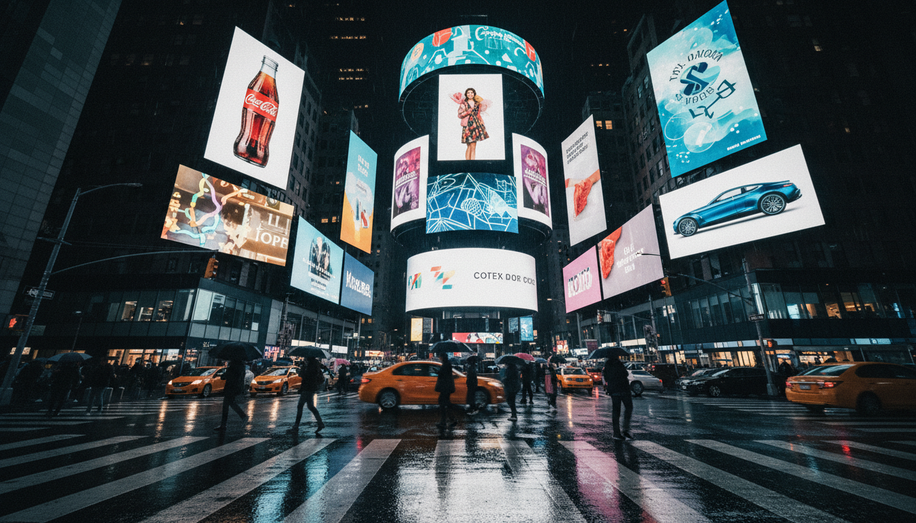

In the dynamic world of out-of-home (OOH) advertising, compliance with a patchwork of regulations is not just advisable—it’s essential for avoiding costly fines, permit denials, and campaign disruptions. From federal mandates to hyper-local zoning codes, the legal landscape demands vigilance, as even seasoned media owners and advertisers can stumble over overlooked rules on permitting, placement, and content.
At the federal level, the Highway Beautification Act of 1965 set the foundational tone by restricting billboards along interstate highways, particularly in rural, scenic, and agricultural zones, to preserve natural vistas and minimize driver distraction. This landmark legislation birthed a regulatory framework enforced through state-level outdoor advertising acts, which most U.S. states have adopted to align with federal standards. For instance, California’s Outdoor Advertising Act, overseen by Caltrans, governs off-premises displays visible from state highways within 660 feet of the right-of-way. These displays must meet stringent size limits—maximum 25 feet high and 60 feet long, not exceeding 1,200 square feet—along with spacing requirements, such as 500 feet from interchanges on freeways outside urban areas. Permits for such structures, issued since 1933, confer compensable property rights but hinge on compliance with zoning that mandates commercial or industrial locations, property owner consent, and local building approvals.
Permitting processes vary widely but universally require proactive engagement. Nearly all OOH formats, from static billboards to digital displays, demand approvals, with states like California imposing some of the nation’s toughest standards through Caltrans, including controls on digital brightness and change intervals to curb distractions. In Texas, annual permits from TxDOT or certified cities are mandatory for certain signs, while local governments handle on-premises signage via zoning ordinances dictating size, height, lighting, and placement. Applicants often face multi-layered reviews: road authority permissions for land-use permits, evaluations under municipal policies, and adherence to installation specs near roads or structures to avert visual clutter and safety hazards. Media owners typically shoulder primary responsibility for inventory compliance, yet advertisers benefit from due diligence, as violations can derail campaigns and invite enforcement actions like sign removal.
Zoning laws add another layer of complexity, often proving stricter than state rules and tailored to community aesthetics and land use. Residential areas frequently bar or cap OOH displays to shield property values and curb resident complaints, while protected zones—national parks, historic districts, wildlife reserves, schools, and religious sites—impose outright prohibitions or severe limits. Transportation corridors, scenic byways like the Blue Ridge Parkway or Pacific Coast Highway, and landscaped freeways further restrict placements, with some municipalities enforcing moratoriums that halt new builds or even repairs to phase out existing signs. In California, local sign codes preempt state law in many cases, regulating everything from spacing to design, and courts have upheld cities’ rights to layer additional ordinances atop the Outdoor Advertising Act. Zoned commercial or industrial areas offer the most flexibility, but even there, “customary use” standards—industry norms for size, lighting, and spacing—must align with local determinations. Federal agreements sometimes defer to local zoning for lighting and spacing if state law permits, underscoring the need for site-specific research.
Content regulations, though less uniform, safeguard public sensibilities and target sensitive categories. Jurisdictions routinely prohibit obscenity, offensive language, or imagery deemed harmful, especially near families or schools. The Master Settlement Agreement exemplifies category-specific bans, outlawing tobacco advertising on billboards, transit, and beyond retail displays limited to 14 square feet. Some areas extend restrictions to alcohol, gambling, or political ads during elections, while digital displays face extra scrutiny for rapid changes that could distract motorists. First and Fifth Amendment concerns arise with outright bans, which courts view skeptically unless narrowly tailored, but punitive moratoria in high-value zones persist as zoning tools.
Navigating this terrain requires collaboration between advertisers, media firms, and legal experts. Start with federal and state databases like Caltrans’ ODA program or TxDOT resources, then drill into municipal codes via planning departments—often the final arbiters. Tools like permit checklists ensure locations avoid right-of-ways, drainage channels, or non-commercial zones, and written consents from landowners preempt disputes. For digital or innovative formats, anticipate evolving rules on illumination and messaging frequency.
Ultimately, OOH’s potency lies in its visibility, but that same reach invites rigorous oversight. By mastering permitting protocols, respecting zoning boundaries, and curating compliant content, advertisers not only mitigate risks but unlock sustainable, high-impact campaigns amid a regulatory mosaic that prioritizes safety, beauty, and community harmony. To navigate this intricate regulatory mosaic effectively, advertisers need robust tools that integrate compliance insights from the outset. Blindspot’s advanced location intelligence and site selection capabilities empower brands to proactively identify and target OOH inventory that aligns with hyper-local zoning ordinances, placement restrictions, and customary use standards, thereby mitigating the risk of costly violations and permit denials. Explore how Blindspot can help safeguard your OOH investments and ensure compliant, high-impact campaigns at https://seeblindspot.com/