
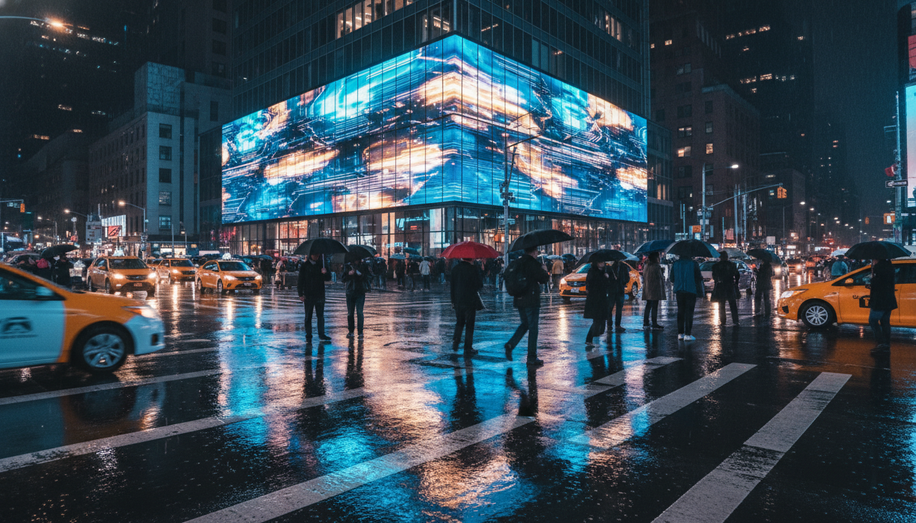

In the bustling streets of urban centers, where digital screens flicker and pedestrians rush by, out-of-home (OOH) advertising is evolving from static billboards into dynamic portals for immersive brand journeys. Brands are harnessing experiential marketing to craft interactive, multi-sensory encounters that transform passive glances into profound, shareable memories, drawing consumers into the heart of the story.
This shift marks a departure from traditional OOH, which relied on bold visuals to seize fleeting attention. Experiential OOH engages sight, sound, touch, scent, and even taste, creating environments where audiences actively participate. A coffee brand, for example, might deploy displays that release the rich aroma of freshly brewed beans, compelling passersby to pause, inhale, and associate the scent with instant comfort and quality. Such multi-sensory tactics amplify impact, as human brains process and retain experiences involving multiple senses far better than visual-only stimuli, fostering emotional bonds that linger long after the encounter.
Technology accelerates this transformation, embedding augmented reality (AR), virtual reality (VR), and interactive digital screens into public spaces. In high-traffic hubs like London’s Outernet, brands blend massive OOH displays with experiential activations, turning sidewalks into interactive playgrounds. Visitors scan QR codes to unlock AR overlays that animate billboards, allowing them to “step into” a virtual product demo or storytelling adventure. These elements not only captivate but also enable personalized interactions—imagine a fashion label where users virtually try on outfits via their phones, synced to a towering digital billboard that mirrors their choices in real time. Data from such campaigns shows 3D and immersive OOH boosting conversion rates by up to 40%, as involvement turns observers into advocates.
The power of these journeys lies in their shareability. Millennials and Gen Z, who prioritize experiences over possessions, eagerly document these moments on social media, extending reach exponentially. A synchronized Times Square takeover, for instance, might light up the iconic intersection with choreographed lights, music, and pop-up performances, inviting crowds to join a brand’s “runway show.” Participants snap photos and videos, generating organic buzz that rivals paid digital ads. This fusion of broad OOH reach with direct experiential engagement creates a multiplier effect: initial exposure draws crowds, interactions build loyalty, and user-generated content amplifies awareness.
Real-world examples illustrate the genre-bending potential. Coca-Cola’s truck tours have rolled through cities, dispensing free samples amid light shows and music synced to the brand’s jingle, turning streets into festive brand festivals. Similarly, immersive installations at trade shows and pop-ups evolve into outdoor spectacles, like art pieces that respond to touch or motion, humanizing brands through storytelling. In one case, a beauty brand erected scent-infused mirrors in public squares, where users could test virtual makeup while inhaling signature fragrances, blending vanity with visceral delight. These activations cut through ad fatigue by prioritizing emotional connection over sales pitches, leaving participants with positive, personal memories that drive loyalty and word-of-mouth.
Yet, success demands precision. Brands must tailor experiences to context—relevance to the audience ensures involvement rather than intrusion. Pop-up events in parks or transit hubs work because they feel organic, sparking media coverage and social moments without overwhelming. Agencies specializing in this niche, like those crafting bespoke OOH immersions, emphasize metrics beyond impressions: dwell time, interaction rates, and sentiment analysis reveal true ROI.
Looking ahead, the line between OOH and experiential blur further with AI and immersive tech. Billboards could soon adapt in real time, using facial recognition to personalize messages or integrate with consumer devices for seamless digital-physical journeys. This positions OOH as a trusted spark in the discovery process, fueling online engagement from real-world roots. As urban spaces densify and attention fragments, brands that master these outdoor odysseys will not just advertise—they will orchestrate unforgettable chapters in consumers’ lives, redefining connection in the open air.