
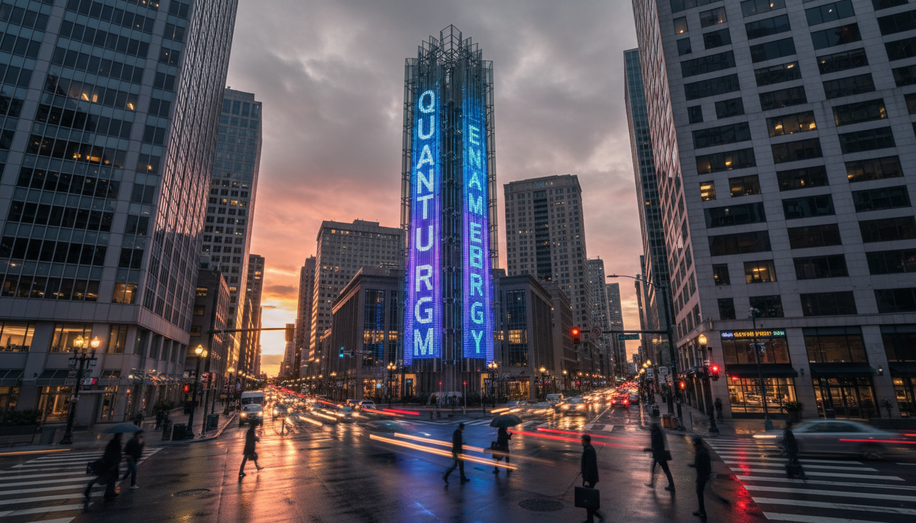

In the heart of bustling cityscapes, where commuters rush and tourists pause for selfies, out-of-home (OOH) advertising transcends mere signage to become woven into the urban fabric itself. Brands that sponsor or commission iconic structures and installations don’t just advertise—they erect landmarks that etch their identity into collective memory, fostering recognition that endures long after the campaign ends. This strategic elevation of OOH from transient messaging to permanent fixtures leverages high-visibility locations and creative audacity to transform public spaces into brand-owned territory.
Consider the psychological pull of repetition and inescapability in OOH. Unlike digital ads that can be scrolled past or blocked, OOH demands attention in real-world encounters, with audiences passing billboards, transit wraps, or sculptural installations daily without opt-out. When placed in high-traffic corridors or city centers, these elements build familiarity through sheer persistence, ingraining logos, taglines, and visuals into the subconscious. A staggering 66% of adults report that OOH in iconic spots influences their brand perceptions, while consistent exposure over time conveys stability and credibility, associating the sponsor with a dominant urban presence. This is amplified when structures evolve into photo-worthy spectacles, sparking social media shares that extend reach exponentially.
The true alchemy happens through bespoke installations that marry creativity with context. Bold 3D billboards, anamorphic illusions, or environmentally integrated sculptures—think towering LED facades that pulse with a brand’s rhythm or kinetic displays that interact with wind and light—create “unforgettable moments” that audiences not only see but experience. These aren’t fleeting promotions; they’re commissioned landmarks, like the colossal bottle-shaped structures or interactive pavilions that brands have dotted skylines with, becoming synonymous with the locale. Strategic visual hierarchy, with whitespace, contrasting colors, and emotive palettes, guides the eye and embeds emotional resonance, while unwavering brand consistency across elements ensures every glance reinforces the core identity. In essence, OOH here functions as a canvas for public space, lending brands an aura of legitimacy—40% of consumers trust those bold enough to claim it more than traditional TV or print advertisers.
Real-world triumphs illustrate the landmark model’s potency. Iconic examples abound where sponsorships have redefined city horizons: a beverage giant’s glowing orbital sphere dominating a plaza, drawing crowds for events and selfies, or a tech firm’s undulating digital wall that shifts patterns with pedestrian flow, turning a transit hub into a branded spectacle. These installations boost recall by blending offline dominance with online virality; passersby capture and share, creating user-generated amplification that cements the brand as culturally embedded. Data underscores the ROI: OOH in premium spots drives action, with 65% of viewers more likely to engage post-exposure, while long-term placements in fixed locations cultivate top-of-mind status amid urban noise. Brands maintaining these fixtures report heightened market presence, as sustained visibility fosters trust and positions them as civic patrons rather than intruders.
Yet success hinges on more than scale—innovation and relevance are paramount. Trends point to sustainable materials in installations, AI-driven adaptability for digital components, and hyper-local tailoring that resonates with neighborhood vibes, ensuring landmarks feel organic rather than imposed. Creative effectiveness multiplies returns, as striking designs in high-impact media convert passive glances into active recall and purchases. For emerging brands, commissioning a unique pavilion in a developing district can catapult them to landmark status overnight, while established players refresh aging icons to reclaim narrative control.
Challenges persist: regulatory hurdles for permanent structures demand foresight, and maintenance costs can strain budgets. Still, the payoff in brand equity is unmatched—OOH landmarks don’t just advertise; they anchor identity in the physical world, where digital fatigue leaves audiences craving tangible encounters. As cities densify and experiences trump pixels, forward-thinking brands will continue commissioning these beacons, turning concrete jungles into galleries of recognition. In an era of fragmented media, the enduring power of an OOH landmark lies in its unignorable permanence: a silent ambassador whispering the brand’s story with every sunrise.