
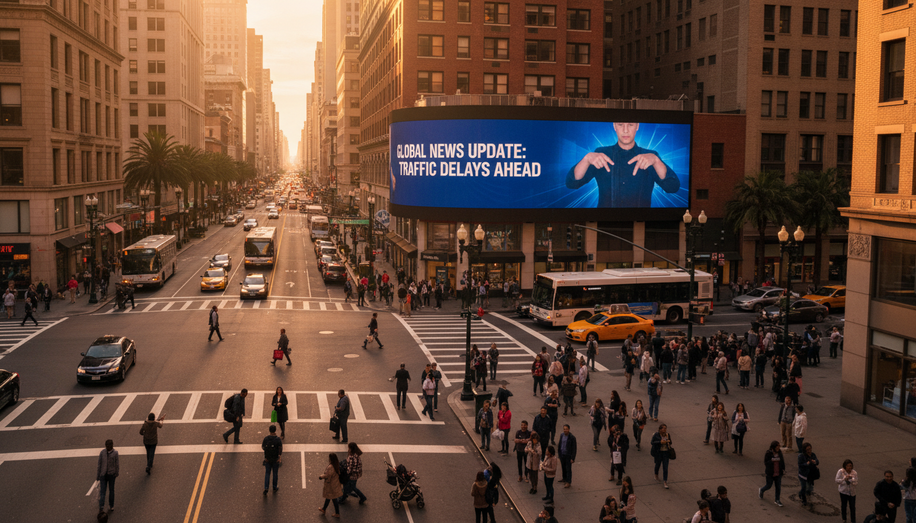

In the bustling streets of modern cities, out-of-home (OOH) advertising commands attention from millions daily, but too often it overlooks a significant portion of the population: individuals with visual impairments, hearing challenges, mobility limitations, or cognitive differences. Designing inclusive campaigns isn’t just a moral imperative; it’s a strategic one, broadening brand reach and fostering loyalty among diverse audiences. As advertisers grapple with fragmented media landscapes, accessible OOH emerges as a powerful tool to ensure no one is left behind, turning billboards and digital screens into equitable touchpoints that resonate universally.
Accessibility in OOH begins with universal design principles, which prioritize intuitive experiences from the outset rather than retrofitting for compliance. This means crafting visuals that transcend language and cultural barriers through clear symbols, simple icons, and uncluttered layouts. Excessive information or distracting elements can overwhelm viewers with cognitive challenges, so simplicity reigns: bold headlines, ample white space, and high-contrast colors—aiming for at least a 4.5:1 ratio—make text legible even for those with low vision. Tools like contrast checkers allow creators to verify pairings before launch, while gathering feedback from people with diverse abilities refines readability. These adjustments not only comply with guidelines but amplify message retention, as an intuitive ad sticks longer in the mind.
Real-world campaigns illustrate the impact. In South Africa, Coca-Cola unveiled a Braille-embossed billboard, enabling visually impaired pedestrians to “read” the message through touch, transforming a static display into an interactive brand encounter. Similarly, Pepsi’s London bus-stop installation incorporated audio triggers activated by proximity or touch, playing tailored sounds that engaged the hearing impaired and added memorability for all. Such innovations demonstrate how sensory expansion—beyond sight alone—creates multi-sensory experiences. In urban settings, Bluetooth or NFC-enabled billboards let smartphones unlock audio descriptions or extended content, bridging physical ads with digital accessibility features like screen-reader-friendly alt text.
Digital out-of-home (DOOH) takes these strategies further, leveraging programmatic technology for dynamic inclusivity. Screens in high-traffic hubs like transit stations or malls can adapt content based on time, weather, or audience proximity, ensuring relevance without sensory overload. For instance, geo-targeted displays near retail zones might simplify visuals during peak hours or activate captions for videos, accommodating motor limitations with larger tap targets—at least 44×44 pixels for interactive polls or QR codes. QR codes, a staple in OOH, gain potency when paired with descriptive prompts like “Scan for audio guide” instead of vague “Learn more,” guiding users with visual or dexterity challenges seamlessly to mobile extensions.
Yet challenges persist. Traditional static billboards limit interactivity, while flashing lights or rapid animations risk triggering photosensitivity in epileptic viewers. Emerging standards, like those from the Out-of-Home Advertising Association, emphasize controlled motion in digital formats to mitigate exposure risks. Brands must also navigate indoor OOH—elevators, gyms, office lobbies—where place-based targeting reaches B2B audiences in routine spaces, but demands audio options or tactile elements for inclusivity. Testing remains crucial: prototypes vetted by accessibility experts reveal blind spots, such as color-blind unfriendly palettes or emoji-heavy designs that confuse screen readers when users share ad photos online.
Technology accelerates progress. AI-driven tools now generate real-time captions for DOOH videos, editable for brand-specific terms, while text-to-speech overlays provide auditory alternatives on platforms extending OOH reach, like social clips of campaigns. Programmatic platforms harness first-party data to tailor ads—say, amplifying mobility-friendly messaging near accessible transit—maximizing impact without exclusion. Diversifying formats across large urban screens and intimate venue displays ensures visibility everywhere audiences move.
Ultimately, inclusive OOH signals brand values, enhancing reputation as socially responsible. Publicizing these efforts—via social channels explaining Braille integrations or audio features—builds authenticity and loyalty. Pepsi and Coca-Cola’s campaigns didn’t just comply; they sparked conversations, proving accessibility drives broader engagement. As OOH evolves in 2026, with DOOH commanding premium inventory, advertisers who embed inclusivity win not only compliance but cultural relevance. By designing for all, campaigns transcend barriers, proving that true reach means every passerby feels seen.