
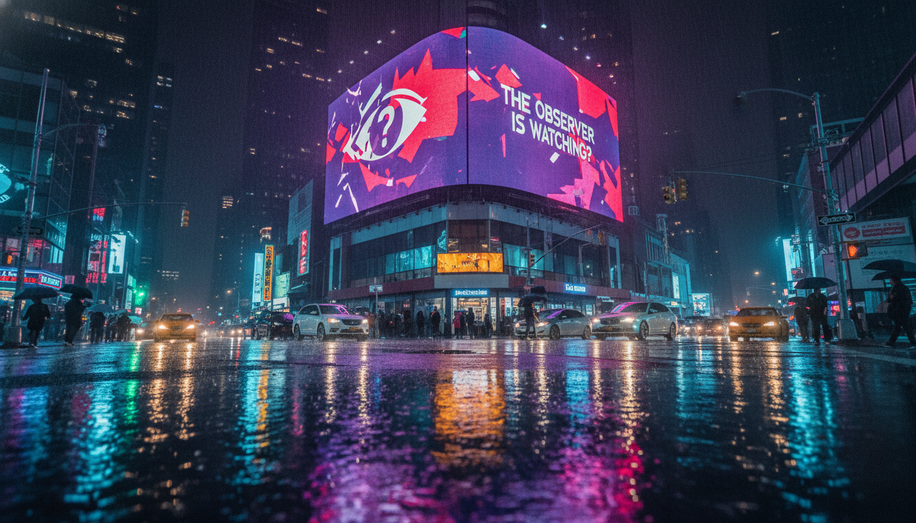

In the high-stakes world of advertising, where a single misstep can tarnish a brand’s image overnight, out-of-home (OOH) campaigns occupy a precarious yet promising space. Public billboards, transit screens, and street furniture expose messages to millions in real-world environments, but they also invite scrutiny from passersby who cannot scroll past or block unwanted content. Unlike digital platforms plagued by algorithmic mishaps and user-generated chaos, OOH demands meticulous planning to shield brands from reputational pitfalls—misplaced ads near controversial sites, inappropriate neighboring content, or backlash from unfiltered public feedback.
The unique challenges of brand safety in OOH stem from its immutable, physical presence. Once an ad is live, it cannot be paused or edited in real time as with online formats. Advertisers risk juxtaposition with unforeseen events: a protest erupting nearby, a tragic accident at the site, or seasonal sensitivities like holiday clashes. Political seasons amplify this, as election fervor can politicize neutral spaces, forcing brands into unintended alignments. Digital advertising’s woes—ads flanking fake news or hate speech—pale in comparison for some, yet OOH’s public permanence heightens the stakes. Research underscores OOH’s edge in trust, with consumers viewing it as more credible than social or mobile media, but that trust evaporates if placements feel tone-deaf.
Publishers and agencies counter these risks through rigorous vetting processes. OOH operators collaborate with transit authorities, city officials, and landowners to pre-approve content for factual accuracy and safety, ensuring misinformation or harmful rhetoric has no foothold in shared public realms. Networks like OUTFRONT’s Political Avoidance Network exemplify this, barring political ads across over 2,000 billboards and transit assets to guarantee brands enjoy 100% share of voice without partisan interference—crucial during election cycles when digital feeds overflow with divisive messaging. Location specificity adds another layer: advertisers select precise sites and schedules for contextual relevance, such as placing family-oriented campaigns in suburban malls rather than urban nightlife districts.
Content appropriateness hinges on tailored safeguards. Pre-placement assessments scan for cultural, social, or visual clashes, while post-launch monitoring tracks real-time issues like weather damage or emerging controversies. Agencies deploy customized blocklists and allowlists aligned to brand values—a healthcare firm might shun gambling proximity, while a hospitality brand prioritizes upbeat locales. Programmatic OOH advancements enable privacy-safe targeting via location data, boosting efficiency without invasive tracking, and closed networks eliminate bot fraud that siphons billions from digital budgets annually. These tools foster transparency, with full visibility into inventory unlike opaque real-time bidding ecosystems.
Public feedback poses the final frontier, demanding proactive engagement over reaction. OOH’s physicality invites direct responses—social media amplification of complaints, graffiti, or petitions—that can snowball virally. Savvy campaigns build in feedback loops: hotlines for reports, community consultations pre-launch, and rapid response teams to swap creatives within hours via digital screens. During the 2024 U.S. elections, brands leveraging static OOH formats sidestepped digital adjacency woes, preserving reputation amid heightened polarization. Integrating OOH with mobile amplifies positives, lifting click-through rates by 15% and driving 38% more brand actions, per studies, while maintaining a controlled narrative.
Yet challenges persist in an evolving landscape. Urban densification brings denser ad clutter, raising misplacement odds, and climate events underscore the need for resilient formats. Global privacy regs like GDPR complicate data use, pushing reliance on contextual prowess—OOH’s inherent strength. Agencies must audit protocols regularly, joining industry bodies to combat emerging threats like deepfakes infiltrating public perception.
Ultimately, OOH’s brand safety shines through its authenticity: ads are unmistakably paid messages in curated spaces, fostering trust that digital struggles to match. With 31% of consumers deeming it reliable—nearly double social media—OOH offers guilt-free reach, unskippable impact, and measurable lifts in awareness and foot traffic. For risk-averse marketers, the strategy is clear: partner with vetted providers, customize controls, and embrace OOH’s public accountability. In an era of fractured trust, mastering these mitigations not only protects reputations but elevates campaigns to cultural fixtures, turning public spaces into brand strongholds.