
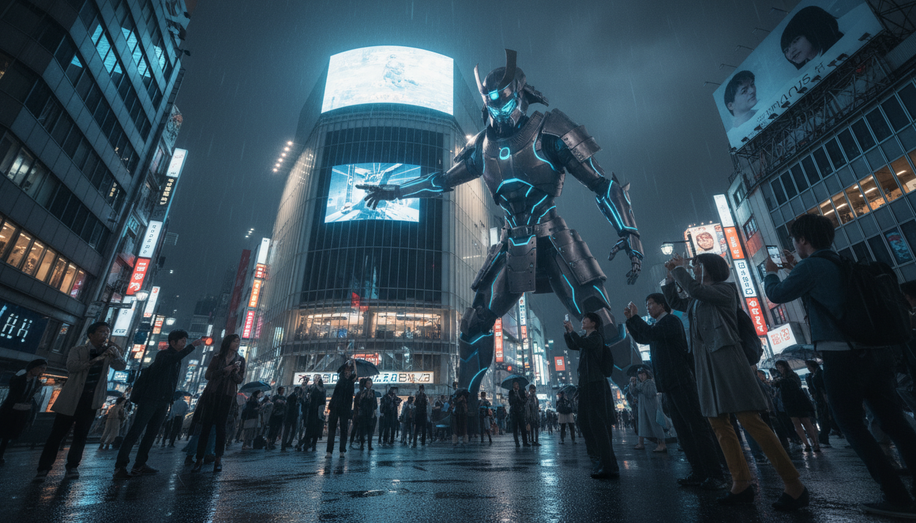

In the bustling streets of Los Angeles and San Diego, passersby scanning a QR code on a vibrant mural for BON V!V Spiked Seltzer suddenly found a virtual 3D vending machine materializing before them on their smartphones. They could tap to browse flavors, watch a dispensed can animate in augmented reality, and even navigate to the nearest store or buy online—all without downloading an app. This seamless fusion of out-of-home (OOH) advertising and augmented reality (AR) exemplifies how static billboards are evolving into dynamic portals, transforming passive glances into immersive interactions that drive engagement and sales.
Augmented reality overlays digital elements onto the real world through smartphone cameras, breathing life into traditional OOH displays like billboards, transit ads, and mall installations. QR codes serve as the primary gateway, instantly triggering AR experiences that require no app installation, making them ideal for high-traffic areas such as transit stations and shopping centers. Users point their devices at the ad, unlocking virtual try-ons, 3D product explorations, or location-based promotions that blend the physical environment with branded storytelling. This technology leverages geolocation and device data to deliver contextual content, turning a simple billboard sighting into a personalized adventure.
Brands have long sought ways to stand out in crowded urban landscapes, and AR delivers by converting viewers into participants. Pepsi Max’s iconic bus shelter campaign used AR to overlay shocking 3D scenarios—like meteors or tigers—onto live street views through a transparent digital screen, jolting commuters and embodying the brand’s “Live for Now” ethos. The experience went viral, amplifying reach as stunned onlookers shared footage. Similarly, Coca-Cola’s 2023 OOH activation let users manipulate 3D bottle designs in real time via their phones, fostering creativity and immediate brand interaction. Pizza Hut took it further during the Super Bowl, scanning special boxes to unleash PAC-MAN in AR on tabletops, generating 741 million impressions and millions in sales.
These campaigns highlight AR’s core benefits: heightened engagement that doubles interaction time, boosts brand recall by up to 40%, and lifts purchase intent by 30%, according to industry studies. Static ads fade into the background, but AR creates emotional connections through immersive narratives—virtual sunglasses try-ons or car interior tours that make consumers feel the product in their hands. Social sharing supercharges this, with playful filters and selfies prompting organic amplification on platforms like Instagram, extending the campaign’s footprint exponentially.
Beyond buzz, AR equips marketers with actionable insights amid the decline of third-party cookies. When users scan QR codes, brands capture first-party data including timestamps, geolocations, device types, and opt-ins for emails or loyalty programs. App-integrated AR ties interactions to user histories, enabling personalized follow-ups via push notifications. For BON V!V, the vending machine not only engaged but funneled traffic to purchases; Kinder’s in-store safari portal used AR animals with fun facts to captivate families, proving app-less WebAR’s power for broad accessibility. Pepsi’s bus shelter and similar efforts yield metrics on dwell time, interaction rates, and behaviors, allowing real-time campaign tweaks.
The rise of AR in OOH reflects broader technological adoption. AR app downloads surged from 1 billion in 2016 to over 5.5 billion by 2022, signaling consumer readiness. OOH acts as a physical anchor priming mobile engagement, bridging real-world exposure with digital action. In busy public spaces, location-based AR delivers hyper-relevant content—like nearby event promos—enhancing memorability and loyalty. Personalization shines here: users customize virtual products in real time, forging deeper ties than one-way messaging.
Challenges remain, including ensuring broad smartphone compatibility and avoiding overly complex experiences that deter casual scanners. Yet, as WebAR platforms like 8th Wall mature, barriers lower, making AR scalable for brands large and small. Agencies like The Perfect Media Group emphasize partnering with experts to harness high-impact visuals tied to consumer behavior, turning streets into brand playgrounds.
Looking ahead, AR-enhanced OOH promises even greater innovation. Motion sensors and touchless integrations could expand interactivity, while AI-driven personalization refines experiences further. As urban dwellers wield powerful smartphones daily, billboards will no longer shout—they’ll invite, engage, and convert, redefining advertising’s role in everyday life. This evolution isn’t just tech for tech’s sake; it’s a strategic leap, where immersive layers on physical displays create lasting real-world impact, proving that the future of OOH is vividly, interactively alive.