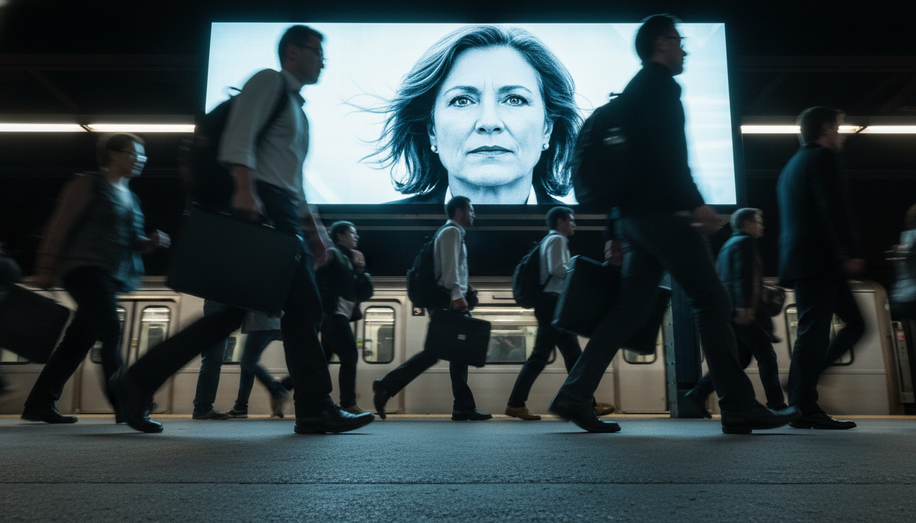

Out-of-Home (OOH) advertising has emerged as a powerhouse in political campaigns, delivering unskippable messages that cut through digital clutter to influence voters and spur turnout. From towering billboards emblazoned with candidate portraits to dynamic digital screens flashing real-time updates, OOH combines visibility, symbolism, and precision targeting to shape public sentiment during high-stakes elections. As the 2026 cycle ramps up, with spending already poised to shatter records, campaigns are leaning harder on this medium’s proven ability to build awareness and drive action among diverse voter blocs.
The strategies fueling OOH’s rise in politics are as tactical as they are bold. Digital Out-of-Home (DOOH) leads the charge, offering campaigns the agility to pivot messaging on the fly—whether responding to debate fallout or amplifying a viral moment. Digital billboards, transit screens, and interactive kiosks in high-traffic zones allow for geo-targeted blasts that hit voters where they live, work, and commute. In the 2020 U.S. presidential race, both parties blanketed cities with DOOH displaying live election data alongside core slogans, while 2018 midterms saw local candidates dominate bus shelters and subways to cement name recognition in key districts. Indian elections showcase similar playbook: parties drape villages in wall murals and flex banners featuring leader images and party symbols, ensuring penetration even in low-internet areas.
Geo-targeting elevates these efforts to surgical precision, mirroring brand advertising’s micro-targeting. Strategists scour data to place hoardings in swing constituencies, timing bursts for maximum exposure—two-thirds of OOH political spend historically lands in the latter half of even-year cycles, peaking in Q4. Location intelligence shines in contextual messaging: gas station screens warn of price hikes near pumps, family restaurants highlight local ballot issues during dinner rushes, and commuter billboards reinforce platforms en route to work. This hyper-local approach over-indexes with pivotal demographics—Gen Z (110 index), Hispanics (110), and Black Americans (106)—while 68% of likely voters report encountering political OOH, with half seeing it recently. The payoff? A 3.4% revenue bump for OOH in recent quarters, fueled by 89% of sellers expanding political inventory.
Beyond promotion, OOH excels at get-out-the-vote (GOTV) drives, leveraging its psychological punch for engagement. Larger-than-life visuals create momentum: red for energy, green or saffron for identity, blue for trust, all paired with action slogans that evoke inevitability. Research from the Outdoor Advertising Association of America (OAAA) reveals 76% of adults act on their devices post-OOH exposure, with 61% viewing political ads favorably—outpacing other media. Among likely voters, 25% gain issue awareness from OOH, and 26% feel reminded of voting’s importance. In multicultural markets, where exposure topped 80% in 2024 hotspots, OOH’s uncluttered, high-trust format sustains influence amid redistricting chaos and spending surges.
Yet ethical considerations loom large in this visibility arms race. OOH’s unavoidability—unlike skippable online ads—amplifies its persuasive power, raising questions about subconscious manipulation through relentless exposure. Campaigns must navigate transparency mandates, with consistent CPM-based pricing for candidates ensuring fairness amid volatile buys. Over-saturation risks voter fatigue, especially as 90% of the past decade’s OOH political dollars targeted local races, intensifying competition for prime inventory. Misinformation via unchecked real-time DOOH updates demands rigorous fact-checking, while equitable access prevents deep-pocketed super PACs from drowning out underdogs. Regulators push for clear disclosures on ad buys, bolstering trust and inviting broader investment.
Programmatic buying and data-driven placements are streamlining ethics alongside efficacy, letting campaigns scale responsibly. Publishers, reporting 91% demand spikes post-candidate announcements, adapt with tools emphasizing OOH’s stability. For GOTV, ethical wins emerge in non-partisan reminders on voting deadlines, fostering participation without coercion.
As elections grow costlier—2022 midterms hit $9 billion overall, with OOH up 113% year-over-year—OOH’s blend of boldness and accountability positions it as indispensable. It doesn’t just promote candidates; it mobilizes the electorate, turning passive passersby into engaged citizens. In 2026’s battlegrounds, expect OOH to dominate skylines, proving once more that in politics, seeing is believing—and voting. To navigate these high-stakes ethical and operational demands, platforms like Blindspot offer crucial solutions, enabling campaigns to manage programmatic DOOH with both unprecedented efficacy and ethical transparency. Leveraging real-time performance tracking and location intelligence for precise, responsible placements, Blindspot helps foster accountable spending and equitable access across the political OOH landscape. Discover their capabilities at https://seeblindspot.com/.