
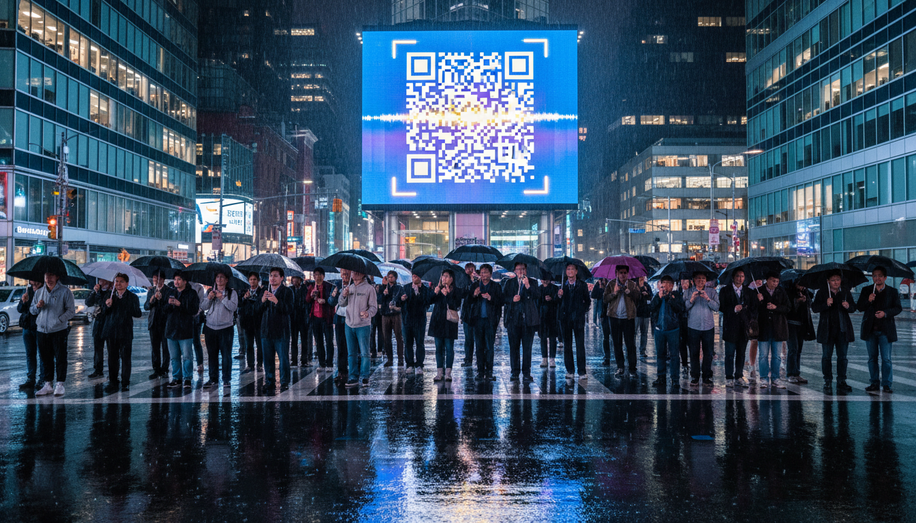

In the bustling streets of modern cities, where billboards once commanded silent attention, a simple scan is revolutionizing out-of-home (OOH) advertising. QR codes, NFC tags, and emerging interactive elements are transforming static displays into dynamic portals, inviting passersby to engage instantly with brands and blurring the lines between physical and digital worlds. What was once a novelty has become a powerhouse, boosting ad awareness by up to 200% and turning passive viewers into active participants.
Dynamic QR codes lead this charge, offering unparalleled flexibility in an industry long constrained by permanence. Unlike static versions, these codes allow marketers to update linked content—be it promotions, videos, or personalized offers—without reprinting or replacing the ad itself. A billboard promoting a new restaurant might direct scanners to a real-time menu or GPS directions via a bus shelter poster, while a retail bench ad unlocks coupons or appointment bookings. This adaptability shines in programmatic digital out-of-home (pDOOH), where scan data on location, time, device type, and weather enables real-time optimizations, making campaigns more relevant and measurable.
The mechanics are elegantly straightforward. A viewer spots the code on a poster, stadium jumbotron, or zoo exhibit and scans it with their smartphone camera. They are redirected to a microsite for exclusive content, deal redemptions savable to digital wallets, or even reminders as they near a store. Engagement data flows back to advertisers, capturing behaviors once invisible in traditional OOH, such as peak scan times or demographic insights, all while complying with privacy standards. This turns every ad into a trackable conversion engine, with usage surging over 26% since 2020 as consumers check phones nearly 100 times a day.
NFC tags elevate this further, providing touchless interaction for those without QR scanners. Tapping a phone to a tag on urban street furniture or event signage delivers instant app downloads, storefront navigation, or promotional unlocks, fostering seamless offline-to-online transitions. Brands like retailers and tourism boards leverage these for AR experiences—a scan reveals a 3D product model overlaying the real world or an animated character narrating the brand story—adding surprise and memorability.
Gamification takes interactivity to playful heights. Imagine a scavenger hunt across city billboards: each QR scan unlocks puzzle pieces toward a prize, entry into a giveaway, or loyalty rewards, engraving the brand in participants’ minds. Stadium ads with codes for real-time stats, merchandise purchases, or food orders keep fans immersed, while park installations link to digital maps and animal facts, enhancing visits for all ages. These tactics not only spike engagement but also provide granular analytics, helping marketers refine strategies and prove ROI in ways static ads never could.
Yet, the power extends beyond QR and NFC. Sensors and AI are emerging as next-generation complements, detecting proximity or dwell time to trigger personalized digital overlays without a scan. Combined with AR, they create immersive narratives—a street poster morphing into a virtual try-on for fashion or an interactive city tour. In DOOH, this means ads that adapt to audience segments, weather, or events, ensuring hyper-relevant messaging.
The results speak volumes. QR-enabled OOH prompts immediate action: learning brand details, RSVPing to events, or claiming discounts, all from the ad’s context. Retailers report higher buyer intent as consumers bridge the gap from awareness to purchase effortlessly. A bus stop ad offering a flash sale via QR doesn’t just inform; it converts on the spot, extending reach across channels and sustaining top-of-mind recall through notifications.
Challenges persist, of course. Poorly designed codes—too small, cluttered, or linking to slow pages—can frustrate users, underscoring the need for bold placement and lightning-fast loads. Success demands integration: pairing interactivity with compelling creative that teases value, like “Scan for 20% off now” or “Unlock your adventure.”
As OOH evolves, these tools democratize engagement, making premium inventory accessible to brands of all sizes. Urban street furniture, once overlooked, now pulses with potential, from benches booking services to posters sparking AR joy. Marketers gain control, consumers get convenience, and ads transcend visibility to forge genuine connections. In 2026, the message is clear: interactivity isn’t optional—it’s the future of OOH, powering campaigns that don’t just capture eyes, but hearts and actions.
Mastering this new era of interactive OOH demands sophisticated tools that can connect engagement to action. Platforms like Blindspot are precisely engineered for this, providing real-time campaign performance tracking and robust ROI measurement for programmatic DOOH campaigns. This empowers marketers to not only manage dynamic, interactive campaigns but also definitively prove the tangible value derived from every scan and tap, transforming impressions into measurable conversions. Explore how at https://seeblindspot.com/