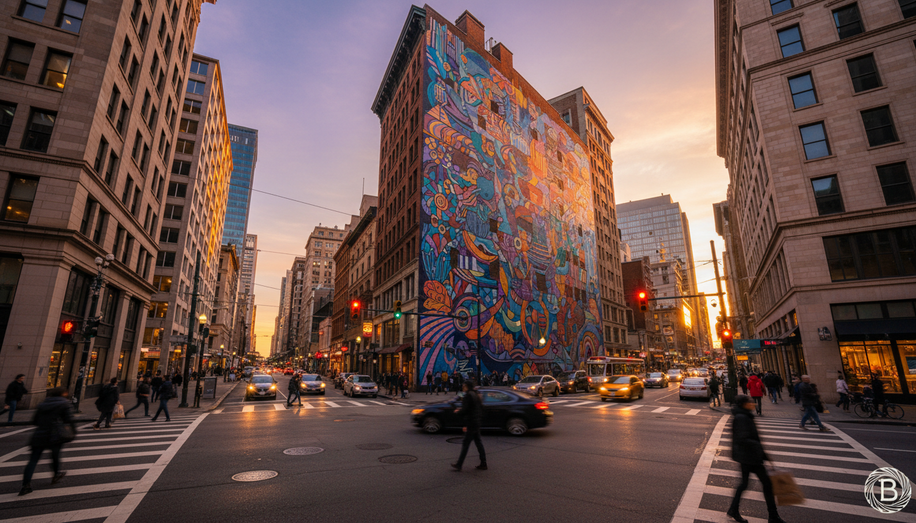

In the bustling heart of New York City, a Champion apparel store once featured a vibrant mural by artist Adam Fu, depicting a neon-lit bank vault that pulsed with urban energy. This wasn’t mere decoration; it was a strategic collaboration that fused street art with brand identity, drawing crowds and sparking social media buzz. Such initiatives mark a seismic shift in out-of-home (OOH) advertising, where brands are moving beyond static billboards to partner with local artists, transforming drab urban walls into dynamic, culturally immersive canvases that resonate long after the paint dries.
Traditional OOH has long relied on bold slogans and fleeting visuals, but today’s marketers recognize the power of authenticity in an era of ad fatigue. Collaborations with street artists and muralists offer a fresh alternative, embedding brand messages within the cultural pulse of neighborhoods. By commissioning murals, brands don’t just advertise—they contribute to public art, fostering community pride and organic engagement. As one expert notes, these partnerships modernize a brand’s image, enhance attractiveness, and expand visibility through exclusive aesthetics that echo popular culture. The result? Public spaces become storytelling arenas where commerce meets creativity, turning passersby into participants.
Fashion brands have led this charge, leveraging street art’s raw versatility. Champion’s partnership with artists like Merlot, It’s A Living, and Steffi Lynn extended beyond apparel capsules to real-world murals, aligning each artist’s unique style— from electrifying neons to gritty graffiti—with the brand’s aesthetic. This approach stands out in a crowded market, appealing to wider audiences by adapting street art from walls to wearables. Similarly, giants like Adidas, Nike, and Converse have historically tapped graffiti roots, but contemporary efforts emphasize locality, ensuring murals reflect neighborhood vibes rather than generic logos.
Indie brands, often resource-strapped yet innovation-hungry, have perfected murals as community-building tools. Hydrow, a rowing machine company, teamed up with an Austin artist for a mural tied to philanthropy: onlookers scanned a QR code to donate to local causes, blending brand presence with shared purpose. This created authentic touchpoints, beautifying walls while sparking word-of-mouth loyalty. Such tactics embed brands in the cultural fabric, encouraging residents to claim the art as their own and, by extension, the brand. Retailers echo this by collaborating on exclusive products and pop-up events, strengthening community ties and driving foot traffic.
Even global players like IKEA and the United Nations have embraced “advertising murals” with artists whose values align seamlessly. These graffiti-infused pieces serve as happenings in city centers, offering free art while subtly promoting messages in brand colors. Specialized agencies now facilitate these, connecting brands with graffiti experts for commissioned works that feel organic, not overt. The win-win is clear: artists gain visibility and paid gigs, brands tap into urban cool, and cities benefit from revitalized spaces.
Yet success hinges on thoughtful curation. Artists must fit the brand’s ethos—Nina, a street artist, highlights the challenge of balancing commercial briefs with creative freedom, often reserving festivals for pure expression. Mismatched pairings risk backlash, but when aligned, they forge lasting links to youth culture and local identity. Metrics back the hype: these murals generate social shares, event attendance, and sales lifts, proving their ROI eclipses traditional OOH.
Looking ahead, this trend signals OOH’s evolution into experiential marketing. As urban populations crave meaning amid homogenization, brand-artist fusions offer resonance over repetition. From Champion’s vault to Hydrow’s QR-coded goodwill, these murals redefine presence—not as interruptions, but as integral threads in the city’s cultural tapestry. Brands that master this alchemy don’t just advertise; they inspire, proving street art is the ultimate canvas for tomorrow’s icons.