
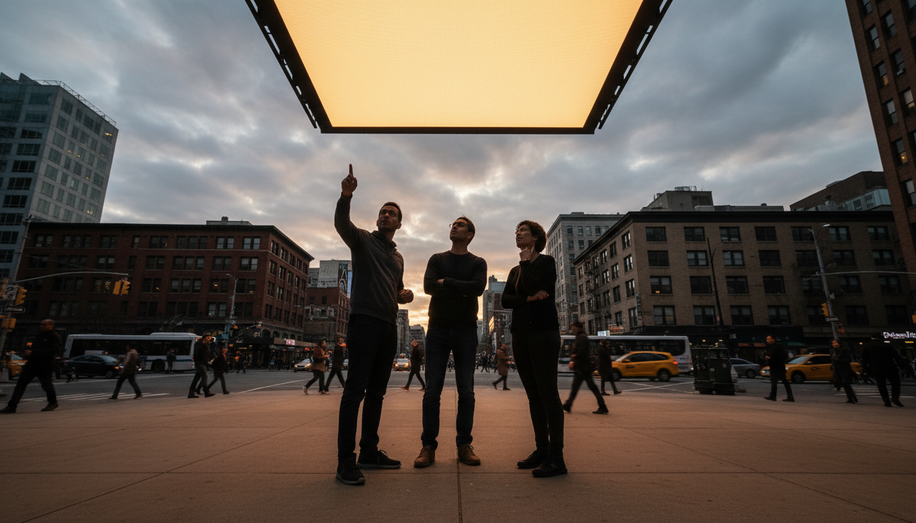

In the shadow of a towering digital billboard, a community’s approval can make or break an Out-of-Home (OOH) campaign. OOH companies navigating urban landscapes frequently encounter hurdles like stringent local permitting processes, aesthetic objections from residents, and wavering public acceptance, yet proactive community engagement offers a pathway to sustainable success. By fostering genuine relationships, these firms transform potential adversaries into advocates, ensuring their displays not only comply with regulations but also enhance neighborhood vitality.
Local permitting stands as the first gatekeeper, often mired in bureaucracy that varies wildly by jurisdiction. Cities impose height restrictions, illumination limits, and setback requirements to preserve sightlines and safety, with processes that can stretch from weeks to years. Aesthetic concerns amplify these challenges; residents decry billboards as visual blight, sparking zoning battles or moratoriums on new installations. Public acceptance lags when ads feel intrusive, leading to protests or outright bans, as seen in communities prioritizing scenic preservation over commercial messaging. These issues underscore a core tension: OOH’s power to reach mass audiences clashes with local desires for harmonious environments.
Yet, forward-thinking OOH providers are flipping the script through strategic community involvement. The key lies in early, transparent dialogue. Engaging town halls or neighborhood associations before permit applications allows companies to address concerns head-on, incorporating feedback on design elements like subdued lighting or culturally resonant imagery. For instance, aligning campaigns with local values—such as family bonding in recreational spaces—builds goodwill. Placing ads in arenas, parks, or ski resorts positions OOH not as an eyesore but as a supporter of communal hubs, where relaxed audiences connect with messages evoking teamwork and wellness.
Sponsorship emerges as a potent bridge. By funding youth sports fields or local events, OOH firms demonstrate investment beyond profit. Highlighting community heroes, sports teams, or symbols in creatives taps into shared pride, fostering trust. One effective tactic involves dynamic visuals tailored to venues: large banners at park entrances or digital screens in arenas, all while using local colors and motifs to blend rather than dominate. This approach mitigates aesthetic pushback, as residents perceive ads as enhancements to familiar spaces.
Digital integration supercharges these efforts, turning passive displays into interactive touchpoints. QR codes and branded hashtags invite participation, measuring engagement in real time and directing traffic to social media. Campaigns encouraging user-generated content, like sharing park photos for prizes, create authenticity and social proof. GoPro’s “Be a Hero” initiative exemplified this, featuring customer footage on billboards and urging #BeAHero posts, which deepened loyalty and community ties. Similarly, promoting local causes—partnering with charities or civic drives—amplifies positive perceptions. OOH ads boosting public awareness on climate resilience or inclusive engagement have proven to strengthen attitudes toward infrastructure, countering skepticism about commercial overreach.
Geo-targeting refines this further, delivering location-specific content that feels personal rather than pervasive. Near high-traffic zones, pairing OOH with mobile alerts crafts seamless experiences, encouraging shares that extend reach organically. Research shows nearly half of adults let OOH influence their social follows, underscoring its role in driving behaviors that affirm community value. For public health or civic campaigns, hyper-local placement reaches diverse groups, building trust where digital ads falter.
Challenges persist, particularly in hyper-regulated areas or amid climate debates where bold creatives risk backlash. Creative OOH, however, outperforms shock tactics, raising awareness through resonance rather than confrontation. Companies must monitor metrics like social sentiment and permit approval rates to iterate, ensuring strategies evolve with community pulses.
Ultimately, success hinges on authenticity: OOH thrives when viewed as a community partner, not an interloper. By prioritizing permitting foresight, aesthetic sensitivity, and interactive engagement, firms cultivate enduring relationships. In recreational venues alive with family gatherings, or streets pulsing with cultural life, well-executed OOH doesn’t just advertise—it weaves into the fabric of daily existence, turning public perception from obstacle to opportunity. This relational ethos not only secures approvals but elevates OOH as a force for positive civic dialogue.