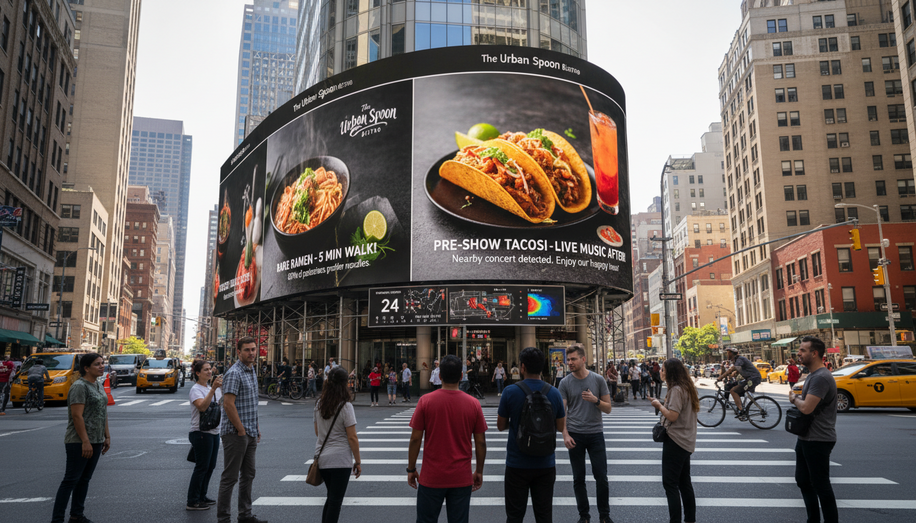

In the bustling streets of urban centers, where digital billboards flicker against the night sky, a quiet revolution is reshaping out-of-home advertising. Dynamic Creative Optimization, or DCO, enables advertisers to transform static displays into living, breathing messages that adapt in real time to the world around them. By harnessing data streams like time of day, weather patterns, audience demographics, and local events, DCO automatically tailors ad content, delivering hyper-relevant experiences that capture fleeting attention and drive measurable engagement.
At its core, DCO breaks down traditional ads into modular components—images, headlines, taglines, and calls to action—then recombines them on the fly using programmatic technology. Imagine a retail chain’s billboard near an airport: as flight data updates, the screen swaps generic promotions for offers tied to arriving passengers’ origins, such as “Paris travelers: 20% off French wines at our downtown store.” This isn’t manual tinkering; machine learning and automation analyze live inputs from sensors, APIs, and audience analytics to select or generate the optimal creative variant from thousands of possibilities. In programmatic digital out-of-home (DOOH), platforms integrate these elements seamlessly, ensuring ads flex across screen sizes, locations, and even omnichannel strategies, like embedding QR codes that bridge offline views to online actions.
The power of DCO lies in its ability to infuse context into every impression. During rush hour in a traffic-choked city, an ad for a coffee brand might shift from morning brews to “Beat the commute stress” with calming imagery, pulling from real-time traffic data. Retailers adjust for weather: sunny days trigger beachwear promotions, while rain prompts umbrella deals, boosting relevance when passersby need it most. Local events add another layer—stadium screens near a soccer match could display live odds or team-specific gear, turning casual fans into impulse buyers. Demographic targeting refines this further; facial recognition or mobile data anonymizes audiences into segments, serving family-oriented messages during school hours or nightlife vibes after dark.
This personalization scales effortlessly, a far cry from the one-size-fits-all approach of traditional OOH. Advertisers upload core assets and define rules—say, “show promotions for nearby stores based on geolocation”—and the system handles the rest via supply-side platforms. Real-time bidding streamlines delivery, optimizing for the best screens and moments without endless production cycles. The result? Campaigns that feel bespoke yet operate at massive volume, from a single billboard to nationwide networks.
Data underscores DCO’s edge. Research from Clear Channel UK shows contextually relevant DOOH messaging lifts effectiveness by 17% on average. Analytic Partners’ study pegs dynamic, tailored creatives as driving 2.5 times higher returns, with creative quality accounting for 41% of OOH ROI potential. Broader personalization benchmarks reveal 10-30% lifts in marketing ROI, as ads resonate more deeply, sparking higher engagement and conversions. Platforms like Displayce, Perion, and Screenverse exemplify this: Perion’s system uses audience behavior and environmental triggers for retail ads tied to local stores or weather, while Screenverse generates endless variations from user data like browsing habits.
Efficiency gains are equally compelling. DCO slashes manual labor, automating what once required teams of designers chasing deadlines. It extends creative lifespans, too—ads evolve rather than expire, maximizing spend across fragmented media landscapes. Integration with omnichannel efforts amplifies reach; a DOOH spot might sync with app notifications or social feeds, creating cohesive narratives that follow consumers seamlessly.
Challenges persist, of course. Privacy concerns loom large, demanding compliant data use amid evolving regulations. Technical hurdles, like ensuring low-latency updates on vast networks, require robust infrastructure. Yet, as AI advances, these barriers shrink, unlocking even wilder possibilities: ads reacting to social sentiment, stock fluctuations, or viral trends in milliseconds.
For OOH advertisers, DCO isn’t just an upgrade—it’s a mandate in an attention economy where relevance reigns. Brands embracing it, from retailers to event promoters, report not only stickier engagement but also sharper insights from performance data, fueling smarter future campaigns. As DOOH networks proliferate, those wielding DCO will dominate the digital skyline, proving that in advertising, timing isn’t everything—it’s the only thing.