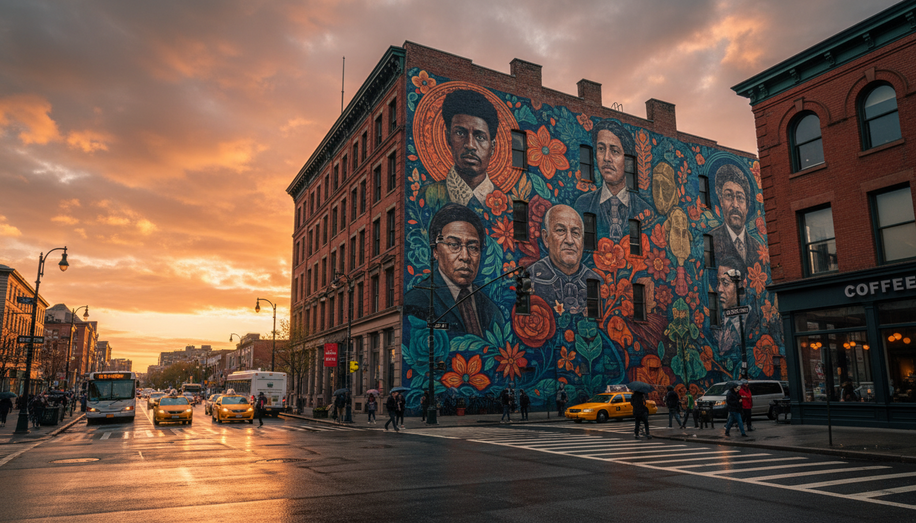

In the shadow of flashing digital screens and targeted algorithms, traditional static billboards and hand-painted murals persist as unyielding sentinels of the advertising world, commanding attention through sheer physical presence. Drivers gripped by traffic, pedestrians weaving through city streets—these colossal canvases ensure exposure no digital ad can match, impossible to skip, block, or scroll past. Far from relics, they thrive in an era of digital fatigue, offering a tangible anchor amid ephemeral online content.
Their power lies in longevity and consistency. Unlike fleeting social media posts or rotating digital displays that cycle every eight to ten seconds, static billboards endure 24/7, etching messages into commuters’ daily routines. A vinyl print or meticulously hand-painted mural—cheaper by 60 to 70 percent than digital counterparts—provides unwavering brand presence, fostering familiarity through repetition. Industry insights highlight how this persistence boosts recall: repeated sightings transform a slogan or image into a mental landmark, outlasting the momentary glance of online impressions.
Yet it’s the creative potential that elevates these classics to art. Billboards unleash scale unattainable in pixels, demanding bold visuals, evocative typography, and narratives that stir emotion—humor, nostalgia, inspiration—all in seconds. Hand-painted murals take this further, infusing human artistry: brushstrokes capture texture and depth, turning urban walls into cultural touchstones. Iconic campaigns prove it; history’s most memorable ads—think provocative political statements or lifestyle anthems—often debuted on these vast surfaces, infiltrating public consciousness without demanding literacy or prolonged focus. They sell not just products but identities, lifestyles, and the American mythos of open-road freedom, reimagining highways as storytelling arenas.
Strategically, they complement the digital deluge rather than compete. Placed in high-traffic veins—highways, busy intersections, shopping districts—billboards reach masses overlooked by online silos, including non-digital natives. Nielsen data underscores their recall edge over some digital formats, with static simplicity ensuring 65 percent remembrance through persistent visibility. Amplified in multi-channel strategies, they drive traffic to apps or sites: a mural’s intrigue sparks a search, a billboard’s tagline prompts a scan. As digital fatigue swells—consumers bombarded by 5,000 daily ad exposures—OOH’s physicality cuts through, building awareness at 71 percent effectiveness per some studies.
Critics tout digital billboards’ interactivity—83 percent recall via motion and data—but static holds irreplaceable strengths. Cost barriers sideline digital for many; static’s affordability empowers small brands to claim prime real estate. Moreover, murals embody authenticity: in a filtered world, their imperfections—fading edges, weathered patina—forge emotional bonds digital sterility can’t replicate. Urban revitalization projects increasingly harness them, turning blank walls into community murals that blend commerce with culture, proving their adaptability.
Consider the cultural footprint. Billboards have lined U.S. roads for over a century, evolving from roadside curios to symbols of mobility and expression. They magnify voices—political, social, commercial—across transient spaces, influencing discourse subtly yet profoundly. In 2026, amid AI-driven personalization, their universal appeal endures: no cookies required, just human eyes on the move.
The verdict is clear: static billboards and hand-painted murals aren’t fading into obsolescence. They command premium attention through inescapability, ignite creativity on monumental scales, and anchor strategies with cost-effective reach. In a digital-saturated landscape, their analog allure—raw, enduring, visceral—remains the ultimate attention magnet, reminding advertisers that sometimes, the oldest medium packs the hardest punch.