
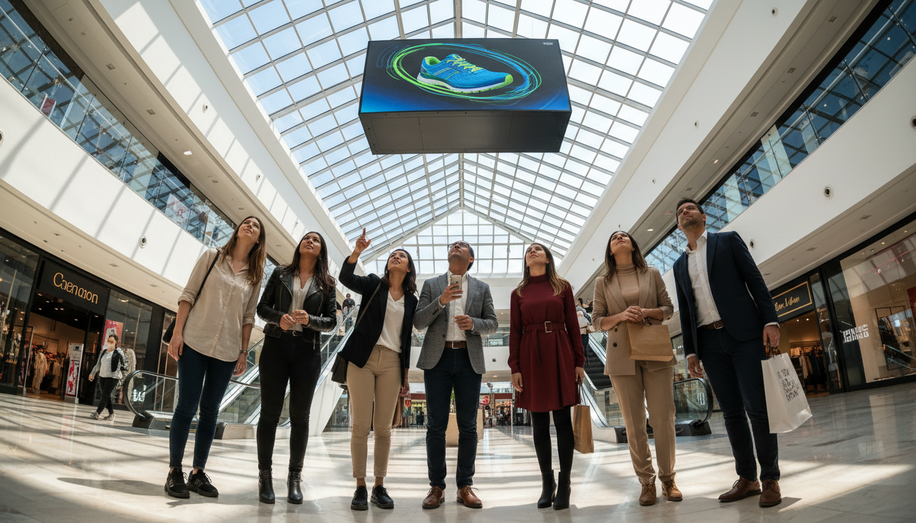

In the bustling aisles of brick-and-mortar stores, where shoppers navigate shelves laden with choices, out-of-home (OOH) advertising has evolved far beyond static billboards into a dynamic force shaping buying decisions. Digital screens at shelf edges, interactive point-of-purchase displays, and in-store promotional panels now serve as silent influencers, turning passive browsing into impulsive purchases and enriching the physical retail experience. According to a global study, 56% of shoppers have bought an item featured on a digital OOH display, with 65% of those being unplanned—a testament to OOH’s prowess in capturing the moment of truth.
This integration marks a pivotal shift in retail strategy. As consumers return to physical stores post-pandemic, retailers are leveraging digital OOH to bridge online discovery and offline action, creating seamless shopper journeys. Proximity-based targeting delivers hyper-relevant messages right where decisions happen: high-visibility screens in high-traffic zones prompt immediate store visits, while in-store formats like point-of-purchase screens—cited by 63% of marketers as key to connected commerce—guide shoppers toward specific products. Research from Talon Outdoor reveals that 59% of shoppers are likely to buy within 30 minutes of seeing an OOH ad, underscoring its role as a last-mile driver that reduces purchase friction.
Consider the anatomy of a modern retail visit. A shopper enters a grocery store, eyes drawn to a glowing shelf-edge display flashing limited-time deals on snacks. Tailored to price-sensitive demographics like bargain hunters aged 55-64, these cues exploit the 41% of consumers willing to switch brands for savings. Further along, an interactive point-of-purchase screen in the checkout aisle prompts a QR code scan for a loyalty discount, blending digital convenience with physical immediacy. Such tactics not only boost impulse buys but also foster loyalty through repeated exposure in routine locations like grocery stores and malls, where context-specific messaging aligns with immediate needs—health products in fitness areas or family items near produce.
The data backs this transformation. A March 2026 study, “The Power of Proximity: OOH Media and Its Evolving Role in Connected Commerce,” found 98% of marketers view OOH as foundational to integrated strategies across channels, with 54% calling it a core component. Digital in-store screens and promotional displays rank highest for impact, at 57-63% endorsement, outperforming traditional formats by delivering consistent messaging that lifts retail traffic by 51% and provides cost-effective reach. Interactive elements amplify this: 76% of consumers take mobile action after seeing digital OOH, from app downloads to conversions, enabling closed-loop attribution that tracks everything from scans to sales.
Retailers are reimagining store layouts with customer journey mapping at the core, integrating OOH into merchandising to maximize sales opportunities. Shelf-edge displays, for instance, use real-time data on stock availability or promotions to create urgency, appealing to daily deal seekers with QR-driven coupons in high-dwell areas like casual dining-adjacent retail spots. This omnichannel synergy narrows the online-offline gap, where OOH reinforces digital ads seen en route, prompting curbside pickups or in-app redemptions. Coca-Cola’s “Share a Coke” campaign exemplified this, using indoor OOH for personalized engagement that drove recall and ROI of $5.97 per dollar spent.
Yet, success hinges on precision. Proximity isn’t just location—it’s timing and relevance. Urban panels build upper-funnel awareness during commutes, while in-store DOOH handles lower-funnel conversion with dynamic content that adapts to footfall or weather. Marketers now measure beyond impressions, attributing lifts in foot traffic, app interactions, and purchases to OOH’s role in fragmented journeys. Electric vehicle charging stations and grocery refrigerator screens extend this reach, embedding brands into everyday touchpoints.
Challenges remain, including digital noise and attribution complexity, but advancements in first-party data and interactivity are closing the loop. Loyalty program insights personalize displays, turning generic screens into shopper-specific advisors. As 42% of consumers report OOH influencing in-store decisions—and 75% noticing ads once inside—retailers ignoring this medium risk ceding ground to competitors.
Ultimately, OOH inside stores isn’t an add-on; it’s the connective tissue of enhanced retail experiences. By embedding digital screens and displays into the shopper’s path, brick-and-mortar venues transcend transactional spaces, becoming immersive environments where awareness sparks action and loyalty endures. In an era of connected commerce, this “beyond the window” approach doesn’t just influence buys—it redefines the joy of shopping.
Yet, precisely demonstrating the return on these innovative OOH investments, especially in complex shopper journeys, remains a critical challenge. This is where Blindspot offers a vital solution, providing sophisticated ROI measurement and attribution capabilities that move beyond mere impressions to track tangible outcomes like app interactions, foot traffic lifts, and direct sales conversions. With Blindspot, retailers can optimize programmatic DOOH campaigns in real-time, ensuring every in-store screen precisely informs and influences, cementing OOH’s foundational role in connected commerce. https://seeblindspot.com/