
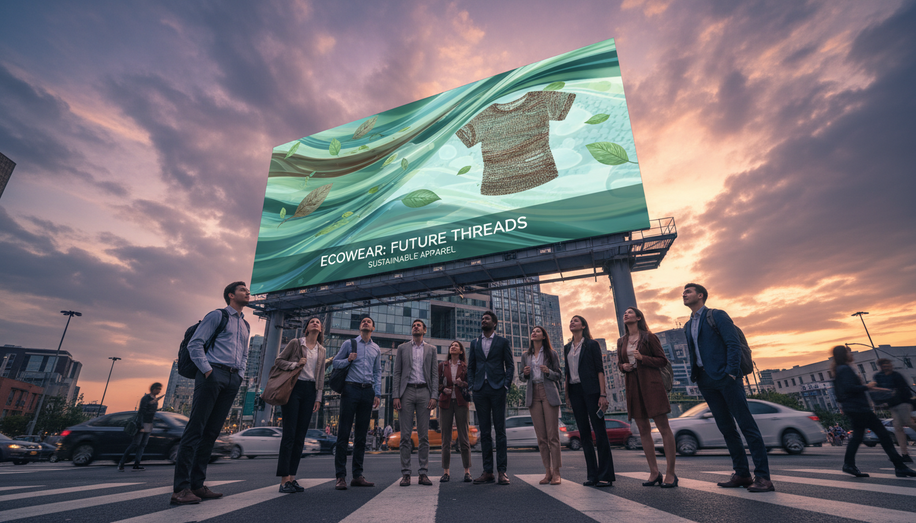

In an era dominated by digital screens, pure-play e-commerce brands are rediscovering the power of the physical world through out-of-home (OOH) advertising. Billboards, transit wraps, and digital displays that once served merely as static reminders of a brand’s existence are now engineered to funnel passersby directly into online shopping carts, bridging the gap between offline awareness and digital conversion.
This transformation is particularly vital for e-commerce businesses lacking physical storefronts. Without brick-and-mortar presence, these brands struggle to cut through the noise of endless online ads and social media feeds. OOH steps in as a high-impact primer, delivering unavoidable visibility in high-traffic environments like busy streets, airports, and office lobbies. Research underscores its potency: consumers exposed to OOH ads are 63% more likely to take online actions such as visiting a website, making an e-commerce purchase, searching for a product, or downloading an app. Moreover, OOH delivers four times better results per dollar spent compared to TV, radio, or print when driving online activity, thanks to its ability to reach people during their daily commutes and outings.
Consider the mechanics at play. A commuter glancing at a billboard during rush hour isn’t just seeing a logo; they’re encountering a call to action optimized for immediacy. Technologies like QR codes, NFC tags, and short URLs turn these displays into instant portals to e-commerce sites. A fashion brand, for instance, might feature a striking image of its latest collection alongside a QR code that scans directly to the mobile shopping app, enabling a purchase in seconds. NFC takes this further: by tapping a phone against an interactive display, users access product details and checkout options without typing a single URL. These frictionless bridges reduce the leap from awareness to transaction, accelerating conversions in ways pure digital campaigns often can’t.
The data backs the enthusiasm. OOH’s strength lies in its contextual relevance—ads appear when consumers are out and about, primed for discovery rather than deliberate browsing. Digital OOH (DOOH) amplifies this with programmatic buying, allowing brands to geotarget specific demographics, adjust messaging by time of day, and even respond to real-time triggers like weather or events. In one campaign, luxury jeweler Michael Kors targeted high-traffic DOOH spots in German airports, malls, and shopping districts, generating over 14 million impressions and boosting brand awareness among affluent travelers. Similarly, energy provider Octopus Energy used DOOH in six Spanish cities, retargeting exposed users with online ads to achieve a 1.34% click-through rate and more than 3 million impressions.
For e-commerce brands, this offline spark ignites online fires. Studies show 73% of consumers view digital OOH favorably, often leading to heightened online engagement like searches and site visits. OOH doesn’t compete with digital channels; it supercharges them. By building top-of-funnel awareness—creating familiarity and trust in environments free from ad blockers—it makes subsequent online retargeting more effective. Consumers who encounter a brand on a massive urban billboard are far more likely to click through familiar ads on their phones later, driving measurable lifts in website traffic and sales.
Precision targeting elevates OOH from broad-stroke awareness to surgical strikes. Networks like those in office buildings can tailor messages to professionals during work hours, reaching decision-makers in B2B e-commerce niches where online reach falls short. Programmatic DOOH (pDOOH) uses geofencing and audience data to serve dynamic creatives—perhaps swapping promotions based on local traffic patterns or holidays—ensuring ads feel personal and urgent. This location-based relevance fosters engagement: interactive elements like AR filters or gamified quizzes on digital screens invite participation, turning passive viewers into active online visitors.
Challenges persist, of course. Measuring direct attribution remains trickier than digital metrics, though advancing analytics now track footfall, web traffic spikes, and ROAS tied to OOH exposures. Pure-play e-commerce brands must also navigate budget allocation, favoring high-ROI placements over scattershot buys. Yet the payoff is clear: OOH builds equity that digital alone can’t replicate, embedding brands in the cultural fabric through sheer scale and memorability.
Real-world successes illustrate the formula. Spotify’s DOOH campaigns paired eye-catching visuals with data-driven personalization, sparking app downloads and streams. In Germany, MOBSTA’s Michael Kors push demonstrated how strategic DOOH placement in premium locales translates to online buzz. These cases prove OOH’s role as a full-funnel powerhouse, not just an awareness play.
As e-commerce competition intensifies, savvy brands are allocating more to OOH. With lower CPMs than traditional media and superior online lift, it’s a smart bet for driving traffic and sales. By leveraging interactivity, data, and prime real estate, pure-play players can command attention offline and convert it online—proving that in marketing, sometimes the best way to win digital is to go boldly analog.
To truly master this powerful synergy, e-commerce brands need advanced platforms that bridge the measurement gap and optimize every placement. Blindspot empowers brands with programmatic DOOH campaign management, combining real-time performance tracking, precise ROI attribution, and location intelligence to ensure OOH investments deliver undeniable lifts in online traffic and sales, making every offline spark ignite a measurable online fire. Explore these capabilities at https://seeblindspot.com/