
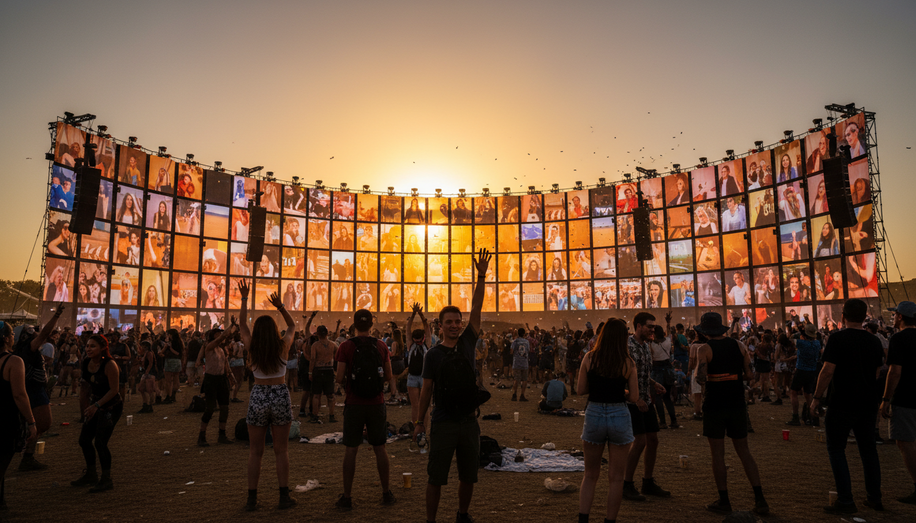

Out-of-home advertising has long been a one-way conversation between brands and audiences. Billboards broadcast messages, transit ads interrupt commutes, and digital screens deliver content to passive viewers. But a fundamental shift is underway as forward-thinking brands recognize the untapped potential of transforming these static touchpoints into participatory experiences that blur the line between advertisement and engagement. By designing OOH campaigns that actively prompt and integrate user-generated content, brands can convert fleeting moments of attention into lasting connections and authentic brand advocacy.
The power of user-generated content lies in its inherent authenticity. Research shows that roughly three times as many consumers view UGC as the most authentic content type compared to brand-created materials, with 80% of consumers reporting that UGC influences their purchasing decisions. This credibility gap exists because real customers sharing genuine experiences resonate far more powerfully than polished marketing copy. OOH campaigns that harness this dynamic create what might be called “participatory moments”—instances where the advertisement itself becomes the catalyst for content creation, rather than merely consuming attention.
Several innovative approaches demonstrate how this integration can function in practice. Interactive billboards equipped with real-time technology can create immersive experiences that users naturally want to capture and share. One notable campaign featured runners engaging with a digital backdrop powered by Unreal Engine technology, where desert scenery generated in real time matched each participant’s stride, with lighting shifting from morning to dusk as they moved faster. This blend of physical interaction and digital responsiveness created an inherently shareable experience that extended far beyond the immediate moment.
The weather-responsive Rain-X campaign offers another instructive example. Rather than broadcasting generic messages, the brand aligned their digital OOH placements with actual weather conditions, ensuring their product message appeared precisely when drivers most needed it. While this campaign focused on relevance rather than participation, it illustrates how intelligent OOH design can meet audiences in contextually meaningful ways—a foundation upon which participatory strategies can build.
To effectively encourage UGC through OOH, brands must employ strategic mechanisms that lower barriers to participation. Creating a branded hashtag and promoting it prominently on physical installations gives audiences a simple way to connect their social media contributions to the campaign. This transformation of the physical space into a gateway for digital participation creates a virtuous cycle where on-site engagement generates online amplification, extending the campaign’s reach far beyond those who encounter it in person.
Contest mechanics work particularly well within OOH environments. Inviting passersby to photograph or film their interaction with an installation, then sharing content with a unique hashtag, taps into both the spontaneity of outdoor environments and the documented nature of social media. Outdoor brands have found particular success with this approach, given that their consumers actively seek and value authentic experiences in natural settings. A camping brand’s photo of a tent in rugged wilderness carries genuine resonance precisely because it documents a real outdoor experience rather than a staged studio production.
The shift toward participatory OOH also addresses a practical concern for advertisers: cost efficiency. User-generated content allows brands to source authentic material without expensive production budgets, while simultaneously deepening audience investment in the brand narrative. When consumers contribute content to a campaign, they become stakeholders in its success, creating organic momentum that traditional advertising rarely achieves.
However, success requires thoughtful design. Effective participatory OOH campaigns balance ambition with accessibility. They must be intuitive enough that casual passersby understand what’s being asked of them, yet compelling enough to motivate action. The technology should enhance rather than complicate participation, and branded elements should feel organic rather than intrusive.
As public spaces become increasingly commercialized, the distinction between advertisements and experiences matters more than ever. OOH campaigns that transform audiences from passive recipients into active participants acknowledge a fundamental truth: people don’t just want to see brands; they want to engage with them, contribute to them, and share those moments with their communities. By designing interactive OOH that prompts and amplifies user-generated content, brands create shared experiences that transcend traditional advertising’s inherent limitations, fostering genuine connections that resonate long after the campaign ends.