
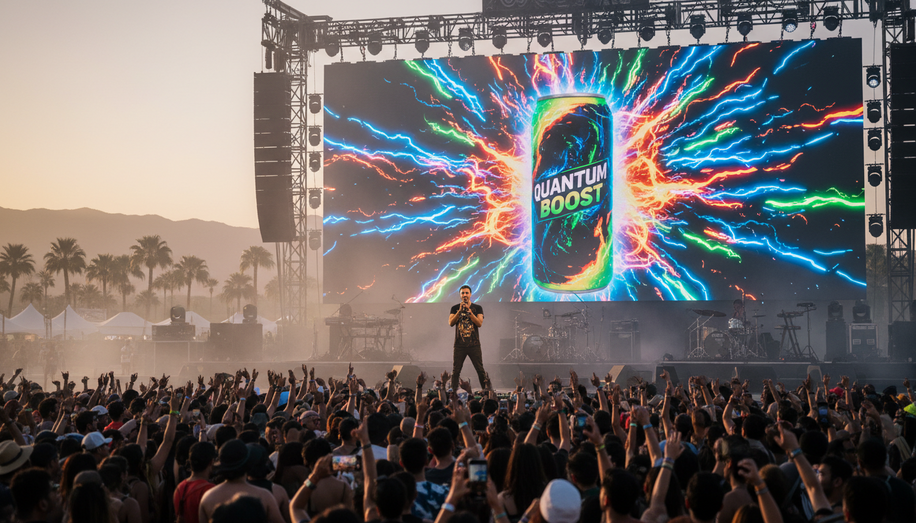

In the bustling intersection of physical billboards and digital scrolls, brands are harnessing the magnetic pull of social media influencers to supercharge out-of-home (OOH) campaigns. By featuring influencers on massive displays and syncing them with viral social posts, marketers are transforming static ads into dynamic conversations that ripple far beyond city streets. This fusion not only amplifies visibility but also weaves authenticity into every glance, turning passersby into engaged followers.
Consider Nike’s regional push targeting fitness fanatics. The brand erected billboards showcasing local influencers mid-workout, positioned strategically near gyms and running paths. These personalities then flooded their social feeds with routines featuring Nike gear, urging fans to hunt down the real-life ads. The result? A seamless blend of community vibe and global messaging, where the billboard served as a tangible anchor for online buzz, drawing crowds to snap selfies and share their own encounters. Such tactics extend the OOH footprint exponentially, as influencers’ organic posts rack up shares that no traditional media buy could match alone.
Outdoor giants like Patagonia have long mastered this playbook. In a 2017 campaign with Lake District retailer George Fisher, the brand tapped fell runners, hikers, photographers, and adventure families—many already Patagonia devotees—to create content around store availability and environmental causes. Influencers donned the gear during authentic escapades, posting high-quality photos, videos, and blogs across their channels and George Fisher’s platforms. Social ads then targeted 134,358 outdoor enthusiasts, building remarketable audiences of over half a million predisposed fans. Sales surged at the store, with staff fielding more Patagonia-specific requests, proving how influencer voices lent credibility to the brand’s ethos without feeling forced.
YETI, the rugged cooler empire, takes storytelling even further, scaling ambassador programs from fishing and hunting roots in 2006 to 15 communities by 2023, encompassing surfers, alpinists, and even rodeo stars. These influencers don’t just endorse; they embody the lifestyle, sharing raw videos of gear in action—from icy hunts to beach bonfires. When paired with OOH, like destination promotions, the effect multiplies. Panama City Beach invited ten influencers for an “InstaMeet,” crafting bespoke itineraries and live chats that lit up social feeds. Posts funneled traffic to beaches and events, mirroring how OOH could spotlight these creators on beachfront boards, prompting real-world visits amplified by digital trails.
Columbia Sportswear elevated the model with its “Directors of Toughness” initiative, scouting hardcore outdoor lovers via mountaintop interviews. Selected influencers tested gear in extreme global conditions, documenting epics on Instagram that aligned perfectly with billboard visuals of endurance feats. Meanwhile, Ortlieb’s waterproof packs got a three-month influencer blitz through Lyon Equipment, where adventurers showcased durability in wild swims and hikes, driving sector buzz that could pair explosively with DOOH screens flashing their exploits in urban hubs.
This influencer-OOH synergy thrives on precision. Agencies like Garrison Everest use AI to match brands with niche personalities, tracking Instagram, Facebook, and YouTube impacts on awareness and sales. Get Hyped Media turned a nascent outdoor brand from zero social presence to a million Instagram views, funneling leads to e-commerce—imagine those metrics turbocharged by geo-targeted DOOH reacting to influencer posts in real time. Digital out-of-home adds interactivity: screens could pulse with an influencer’s live story, QR codes linking to their feed, creating a feedback loop of engagement.
Yet success demands authenticity over artifice. Patagonia’s influencers mixed Patagonia kit with rivals, avoiding contrived plugs, while YETI prioritizes genuine tales over polished pitches. Mismatched pairings flop; brands must vet for aligned values, as in Daniel’s YETI collaboration, where a personal saga resonated because it echoed the brand’s tough, adventurous core. Data backs the payoff: targeted social amplification of OOH yields engaged audiences ripe for retargeting, blending the unskippable scale of billboards with influencers’ trusted intimacy.
As OOH evolves into digital realms, this partnership redefines reach. Billboards once shouted alone; now they whisper to influencers who scream back across platforms, fostering loyalty that translates to foot traffic, shares, and sales. For brands eyeing 2026’s crowded media landscape, ignoring this amplifier means ceding ground to savvier rivals. The lesson is clear: place influencers at OOH’s heart, and watch campaigns ignite.