
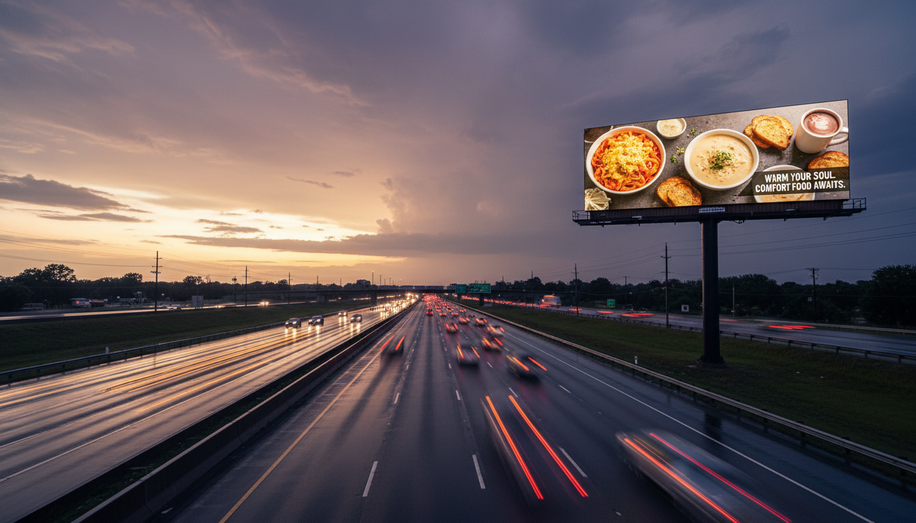

In the bustling streets of modern cities, where digital billboards flicker against unpredictable skies, a new era of out-of-home (OOH) advertising is unfolding—one that bends to the whims of the weather itself. Weather-responsive OOH campaigns harness real-time meteorological data to swap creatives on the fly, delivering messages that feel eerily prescient to passersby. A scorching afternoon might summon ads for chilled beverages, while sudden rain triggers promotions for cozy cafes or waterproof gear, turning environmental happenstance into hyper-relevant persuasion.
This dynamic approach, powered by programmatic digital out-of-home (DOOH) platforms, integrates APIs from weather services to monitor conditions like temperature, precipitation, humidity, and even wind speed. When predefined triggers activate—say, temperatures above 30°C or rainfall exceeding 2mm per hour—the system automatically rotates ad content without human intervention. Algorithms analyze live feeds, ensuring billboards in London respond to a drizzle distinct from a heatwave in Sydney. This automation not only boosts efficiency but also eliminates the guesswork of static campaigns, allowing brands to align promotions with the immediate sensory world of consumers.
The advantages are stark and measurable. Contextually attuned ads capture attention in a fragmented media landscape, where relevance is the ultimate currency. Studies and campaigns show weather-triggered displays lift engagement rates by making messages feel personal rather than generic. For instance, a hot day billboard pushing ice cream doesn’t just sell a product; it mirrors the viewer’s craving, fostering stronger recall and impulse. Flexibility is another boon: unlike vinyl billboards locked into one narrative, DOOH screens adapt instantly, slashing production costs for multiple variants while optimizing for real-time impact.
Real-world triumphs underscore the potency. McDonald’s pioneered this with billboards that flipped between hot coffee on chilly days and McFlurries amid summer sizzle, driving sales spikes and heightened visibility. Apparel giants like The North Face have synced winter jackets to snowfall alerts, while Carhartt showcased rain gear during downpours, proving how environmental cues forge direct consumer connections. Aperol took it further, activating spritz ads during heatwaves, which correlated with measurable lifts in store visits and sales. Even non-food brands, such as spas offering inclement-weather discounts or retailers hawking snowblowers pre-storm, have reaped rewards by tailoring to the moment’s necessities.
Beyond products, services and experiences shine under this lens. A restaurant chain might promote steaming soups in cold snaps or salads on sunny afternoons, while tourism boards highlight indoor attractions during storms. Transportation apps could advertise ride-sharing as thunder rumbles, capitalizing on reluctance to walk. These shifts create emotional resonance: consumers don’t just see an ad; they feel understood, enhancing brand affinity in ways broad-spectrum messaging can’t match.
Implementing such campaigns demands strategic foresight. Advertisers first define triggers tied to their offerings—hot drinks below 10°C, beachwear above 25°C—then craft a library of creatives ready for seamless swaps. Data analytics platforms track performance, correlating weather variables with metrics like impressions, dwell time, and conversions to refine future runs. Integrating with complementary channels amplifies reach: a rain-triggered billboard ad might pair with SMS coupons or social pushes, creating a multi-touch funnel.
Location plays a pivotal role too. Weather patterns vary hyper-locally, so savvy planners select inventory in high-traffic zones with reliable DOOH infrastructure, factoring in seasonal audience flows. Protected screens ensure visibility in gales or blizzards, while IoT sensors enable auto-adjustments for brightness or angle against glare. This granular targeting extends to forecasts, allowing preemptive scheduling for events like heatwaves, maximizing ROI amid volatile climates.
Challenges persist, from data accuracy to creative latency, but advancing tech addresses them. Future iterations promise even finer granularity—blending weather with traffic, time-of-day, or events for compound relevance. As climate unpredictability rises, weather-responsive OOH isn’t a gimmick; it’s a necessity for brands vying in attention economies. Those who master it don’t just advertise; they anticipate, turning the sky’s mood into marketing gold.
The proof lies in the uptick: higher engagement, better recall, and tangible sales from ads that speak to the now. In an industry long tethered to fixed schedules, this weather-responsive pivot liberates OOH, proving that the most timely campaigns are those that dance with the elements. Brands ignoring it risk fading into the background, while pioneers etch their messages into the collective memory, one forecast at a time.