
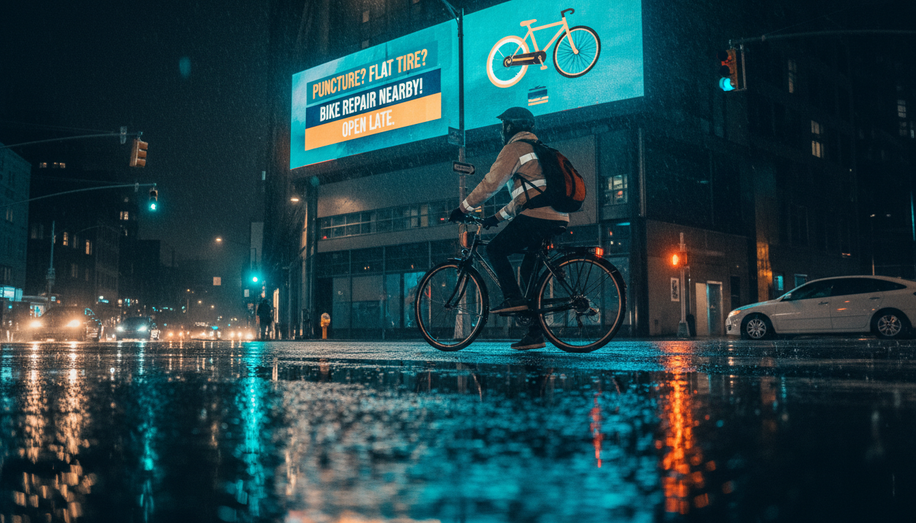

In the bustling heart of a city neighborhood, where commuters weave through familiar streets and shoppers linger near boutique storefronts, out-of-home (OOH) advertising is undergoing a profound shift. No longer confined to broad strokes of billboards blasting generic messages, advanced geotargeting techniques are enabling advertisers to deliver hyper-local, hyper-relevant content to micro-audiences based on their exact positions, transforming passive glances into powerful connections. This precision, powered by real-time data integration, allows brands to tailor messaging for a single block, a specific event, or even a momentary dwell time, driving unprecedented effectiveness in OOH campaigns.
At the core of this evolution lies geofencing, a technique that erects invisible virtual boundaries around physical locations using GPS, WiFi signals, and mobile data. When a user’s device crosses into—or lingers within—these zones, triggers activate dynamic content on nearby digital OOH screens. For instance, a coffee chain might geofence a rival’s location blocks away, displaying a “Switch for a free upgrade today” offer precisely when potential customers are comparison-shopping. This real-time responsiveness extends to programmatic buying platforms, where algorithms automate inventory purchases and content swaps based on live inputs like traffic patterns, weather, or local events, ensuring ads appear at the optimal moment.
Data integration elevates these strategies from reactive to predictive. By fusing mobility heatmaps, foot traffic analytics, and psychographic profiles, advertisers map audience behaviors with granular detail. High-traffic zones such as transit hubs or retail clusters reveal dwell times and commuter routes, allowing placements that maximize exposure. Layering this with demographic data—age, interests, even past location history—creates micro-audiences. A fitness brand, for example, could target gym-goers exiting a competitor’s facility within a 100-meter radius, swapping static creatives for personalized workout challenges tied to nearby parks. Industry figures underscore the impact: location-based tactics have boosted sales for 89% of marketers, engagement for 84%, and response rates for 78%, proving geotargeting’s edge in privacy-compliant execution.
Programmatic digital OOH (DOOH) amplifies this precision through platforms like DSPs, which support custom polygons for irregular boundaries far beyond simple ZIP codes or radii. Bid adjustments fine-tune spending, hiking rates in high-performing micro-areas while dialing back underperformers, all informed by bidstream data and third-party sources. Integration with smart city infrastructure takes it further: IoT-connected screens pull from real-time feeds on traffic flow or public events, dynamically updating content. During a sudden rainstorm near a shopping district, apparel ads might pivot to “Rain-ready deals inside,” blending utility with persuasion to extend viewer dwell time by 20 to 40%.
The synergy with mobile and omnichannel ecosystems seals the deal. Geofencing pairs with beacons and NFC tags on OOH displays, retargeting passersby via apps or social feeds post-exposure. A QR code on a hyper-local billboard might unlock event-specific offers, bridging offline impressions to online conversions while capturing data for refinement. Retailers have seen in-store visits surge by geofencing malls during holidays, while automotive dealers report lifts in test drives from competitor encirclement. Even outdoor enthusiasts respond: brands geofencing trails and parks convert real-world proximity into store traffic and e-commerce spikes.
Challenges persist, particularly around data privacy and urban variability. Regulations demand transparent, consent-based location tracking, pushing advertisers toward aggregated, anonymized datasets. Yet, as 2026 unfolds, AI-driven automation promises even sharper optimization, with screens adapting not just to where people are, but to why they’re there—commuting, leisure-bound, or impulse-driven. Smart city rollouts will embed OOH into connected environments, where hyper-local campaigns feel less like ads and more like timely companions.
Consider a real-world pivot: a restaurant chain geotargeting office towers at lunch hour, serving lunch specials customized to corporate demographics pulled from LinkedIn-like profiles, then retargeting via mobile for dinner reservations. Or beverage brands syncing with sports venues, flashing team-themed promotions as fans exit, leveraging AR overlays for interactive selfies that go viral on social. These tactics don’t just reach audiences; they anticipate needs, fostering trust through relevance.
Ultimately, hyper-local geotargeting redefines OOH as a dynamic force in urban marketing. By harnessing geofencing, programmatic tools, and multifaceted data streams, advertisers achieve pinpoint accuracy, turning cityscapes into canvases of personalized persuasion. As consumers navigate increasingly connected public spaces, brands that master these strategies won’t just capture eyes—they’ll command loyalty, one precise location at a time.
Mastering this sophisticated blend of data and technology demands a robust platform that ensures precision and accountability. Blindspot empowers advertisers to navigate this evolving landscape with advanced programmatic DOOH campaign management, leveraging location intelligence and audience analytics for hyper-local targeting, while providing real-time ROI measurement to prove campaign effectiveness and build lasting loyalty. Learn more at https://seeblindspot.com/