
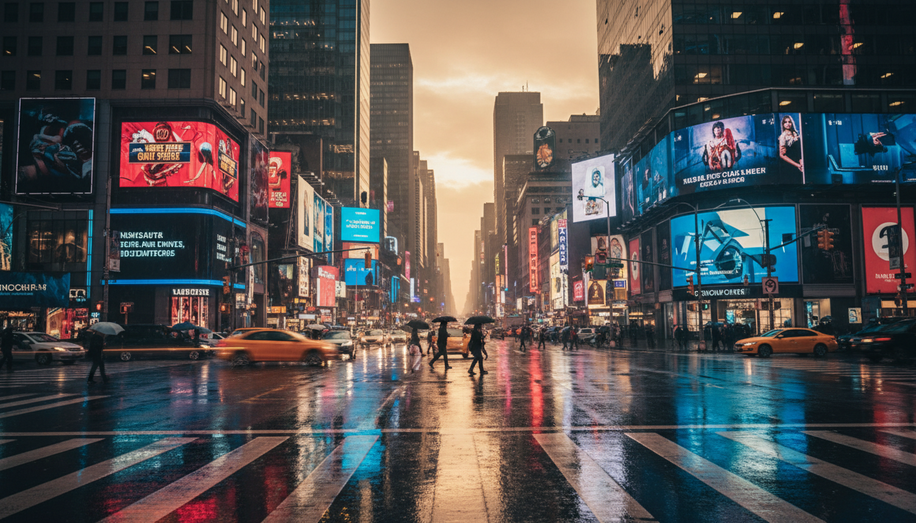

In the neon glow of Times Square or the bustling streets of Tokyo, out-of-home (OOH) advertising has long woven itself into the very fabric of urban life, transforming concrete jungles into vibrant tapestries of color, message, and motion. These towering billboards, digital kiosks, and street-level displays do more than peddle products; they sculpt the aesthetic allure of cities, infuse cultural narratives, and deliver vital information, ultimately molding how residents and visitors perceive their surroundings. Far from mere commercial intrusions, OOH elements contribute to a city’s identity, blending modernity with heritage to create landmarks that define community character.
Consider the visual symphony OOH brings to urban landscapes. Bright, dynamic screens inject vibrancy into otherwise gray facades, complementing architectural styles and fostering a harmonious fusion of old and new. Iconic examples abound: New York’s Times Square billboards have evolved from static posters to interactive spectacles, becoming synonymous with the city’s ceaseless energy and drawing millions who associate the dazzle with Manhattan’s pulse. Similarly, large-format wraps on building exteriors and street-level displays in pedestrian zones command attention through scale and intimacy, turning everyday commutes into immersive brand encounters that enhance the street’s rhythm. This seamless integration positions OOH as an intrinsic part of the city’s daily flow, where ads near retail hubs or transit stops subtly influence purchasing decisions and build lasting familiarity.
Yet OOH’s influence extends beyond aesthetics into the cultural realm, shaping public perception and community bonds. These displays serve as communal storytellers, broadcasting not just ads but public service announcements, event calendars, and emergency alerts that foster awareness and safety. In smart city visions, interactive kiosks deliver real-time traffic updates, wayfinding, or environmental data, personalizing the urban experience and strengthening residents’ sense of connection. Street furniture adorned with transit ads on buses and subways creates multiple touchpoints, embedding brands—and by extension, city narratives—into commuters’ routines. This constant exposure elevates OOH to a cultural force, promoting local businesses and events that bolster economic vitality and encourage community participation. Revenue from leasing and taxes further fuels city coffers, supporting infrastructure that reinforces local identity.
Informationally, OOH stands as a resilient communicator in an age of digital fragmentation. Unlike fleeting online banners, these physical presences demand attention during the few seconds passersby have while walking, driving, or waiting, delivering concise, high-recall messages that outperform digital counterparts. Studies show 55 percent of viewers consistently remember digital billboard content upon repeated exposure, making OOH a powerhouse for brand awareness and targeted outreach—think stadium ads for sports fans or retail wraps for shoppers. In crises or daily life, they pivot to public utility, disseminating news or alerts that enhance safety nets and collective resilience.
However, this shaping force is double-edged, sparking debates over its impact on urban harmony. Critics decry visual pollution, where unchecked proliferation erodes building facades and historical centers, encroaching on public spaces with corporate dominance. In Poland’s Gniezno old town, research revealed OOH degrading perceptions of architecture, particularly on well-maintained structures, leading to spatial chaos that disrupts city flow and sense of belonging. Digital screens exacerbate issues: distracting drivers (especially younger ones), contributing to light pollution that impairs sleep, and overwhelming skylines with energy-hungry glows. Regulations, zoning battles, and space competition in crowded metros underscore the need for balance, with planners weighing placement, brightness, and content to avert these pitfalls.
Advancements offer pathways to redemption. Energy-efficient LEDs reduce consumption while amplifying vibrancy, and eco-conscious campaigns align OOH with sustainability values. Creative reimaginings, like transforming vacant storefronts into immersive installations, repurpose underused spaces into aesthetic assets. As cities integrate OOH with IoT for personalized, data-driven content, the medium evolves from pollutant to partner in smart urbanism.
Ultimately, OOH advertising is a mirror and maker of city identity—vital when curated thoughtfully, disruptive when not. By enhancing aesthetics, disseminating knowledge, and sparking economic life, it enriches the cultural tapestry that defines urban character. Yet its true power lies in regulation: thoughtful urban planning must harness these elements to amplify community spirit without overshadowing it, ensuring cities remain livable canvases where commerce and culture coexist. In an era of rapid evolution, OOH’s role demands vigilant stewardship to preserve the unique soul of our urban worlds.