
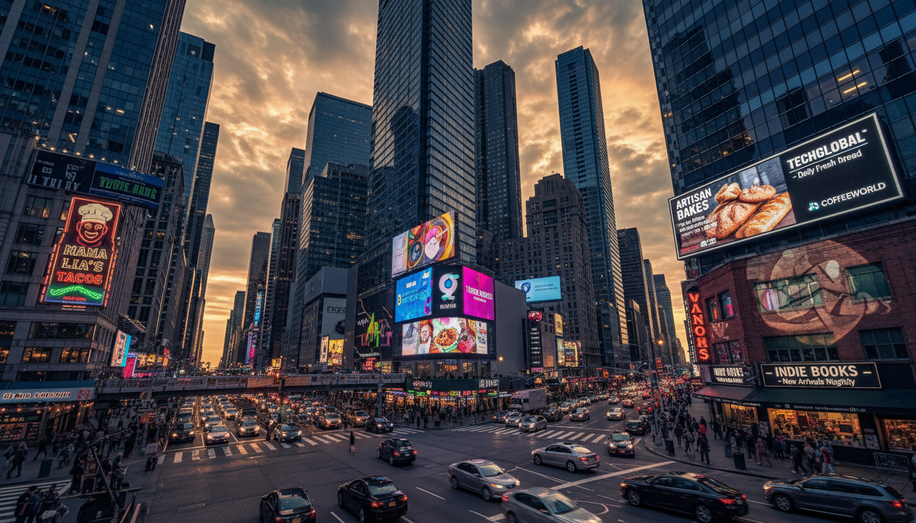

For small businesses and startups operating on shoestring budgets, out-of-home (OOH) advertising offers a potent way to cut through digital noise and seize real-world attention without breaking the bank. Unlike pricey online campaigns that demand constant optimization, OOH delivers unskippable exposure in high-traffic spots, building instant brand recall among local audiences who can’t scroll past it. The secret lies in smart choices: opting for affordable formats, hyper-local placements, and clever creatives that amplify impact far beyond their cost.
Start with cost-effective formats that punch above their weight. Traditional billboards might seem aspirational, but they’re often overkill for bootstrapped brands. Instead, pivot to posters, banners, bus shelter ads, or street furniture like benches and transit stops, which command lower rates while maintaining strong visibility. These options thrive in urban clutter, where a well-placed poster near a busy intersection can rack up thousands of daily impressions at a fraction of billboard pricing. For even thriftier plays, consider vehicle wraps on company cars or sponsored rideshares—these mobile billboards roam your target neighborhoods, turning everyday commutes into branded encounters without fixed rental fees. Small cafes or service providers have seen foot traffic surge by wrapping delivery vans, ensuring their message travels where customers live and shop.
Location scouting is non-negotiable for maximizing return on minimal spend. Prioritize high-traffic zones like shopping districts, public transport hubs, or main roads, but drill down to demographics: place coffee shop ads near office clusters at morning rush hour, or fitness promos by parks during evenings. Proximity to your storefront seals the deal—ads within a short walk or drive create impulse visits, especially when teasing time-sensitive offers like “Walk in now for 20% off.” Scout for unobstructed sightlines, avoiding spots blocked by trees or signage, and negotiate with local property owners for guerrilla-style placements like window banners. Data from traffic apps or footfall counters can guide these picks, ensuring every dollar targets receptive eyes.
Crafting messages that stick in seconds is where creative hacks shine. OOH demands simplicity: one bold headline, a striking visual, and a clear call-to-action readable from 50 feet away. Ditch clutter for high-contrast colors, oversized fonts, and emotional hooks—”Thirsty? Quench it here”—that tap urgency or local pride. Small brands gain an edge with hyper-local flair; a neighborhood bakery might chalk arrows on sidewalks pointing to its door, refreshed weekly for pennies, sparking shares on social media when pedestrians snap photos. Murals co-created with local artists offer longevity on a one-time budget, weaving your story into the community fabric—cafes have turned blank walls into brand murals that generate organic buzz for years. Interactive twists like QR codes linking to deals extend reach digitally, turning passive viewers into engaged leads without extra ad spend.
Budgeting smartly stretches limited funds further. Allocate 60% to prime placements, 30% to creative production, and 10% to testing—start small with a two-week run in one spot, track upticks via unique promo codes or in-store mentions, then scale winners. Seasonality matters: ramp up before holidays or events when footfall peaks. Collaborate with complementary locals—a pet store and groomer sharing a pop-up booth halves costs while cross-pollinating customers. Sponsoring community cleanups or events with branded tents and water bottles builds goodwill and visibility; attendees associate your logo with positive vibes, driving loyalty on the cheap.
To measure and iterate, blend old-school tracking with modern tools. Footfall sensors or simple redemption codes reveal hot spots, while social listening catches user-generated content from mural selfies or chalk art. If a banner flops, pivot fast—digital OOH variants allow real-time swaps at low cost. Startups like food trucks have doubled sales by refining based on such feedback, proving OOH’s agility rivals digital.
Ultimately, these strategies empower underdogs to rival giants. By favoring scrappy formats, laser-focused locations, and ingenuity over extravagance, small businesses transform tight budgets into outsized influence. In a world of fleeting feeds, OOH’s tangible presence reminds communities: your brand is here, now, and worth noticing.