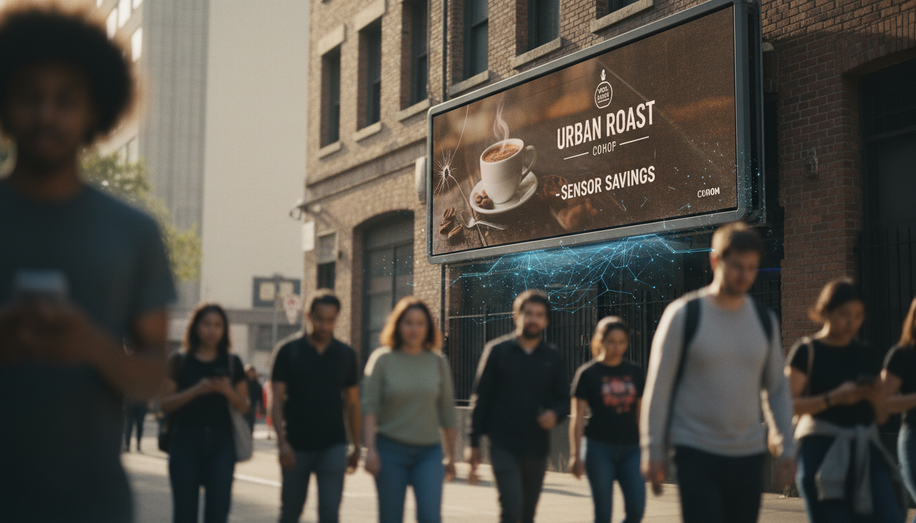

In the bustling streets of modern cities, where digital billboards flicker against the skyline, a quiet revolution is underway. The Internet of Things (IoT) is weaving sensors, cameras, and connectivity into out-of-home (OOH) advertising, transforming static displays into dynamic portals that bridge the physical and digital worlds. These smart systems collect real-time data on passersby—foot traffic, demographics, weather, even vehicle types—enabling ads to adapt instantly, serve personalized content, and forge deeper audience connections.
At the core of this shift are IoT-equipped billboards that sense their environment with unprecedented precision. Cameras and sensors detect audience behaviors, such as age, gender, or group size, triggering tailored messaging on the spot. A billboard promoting a retail chain might switch from sunny-day beachwear to rain gear during a sudden downpour, drawing eyes and boosting relevance. This isn’t guesswork; AI algorithms process the influx of data to predict trends and optimize delivery, ensuring ads align with the moment. For instance, traffic congestion data can prompt messages about nearby drive-thru options, turning commute frustration into opportunistic engagement.
Connectivity elevates this further, linking OOH displays to broader networks via multi-carrier SIMs, 5G routers, and even satellite internet like Starlink for remote sites. One digital signage leader slashed downtime by 90% and manual interventions by 75% using such solutions, allowing real-time ad updates that spiked audience engagement by 40%. No longer prone to blackouts or delays, these displays respond fluidly to live conditions, from environmental shifts to programmatic ad feeds, making OOH as agile as online platforms.
Audience interaction takes center stage with IoT’s interactive flair. Smartphones become the bridge: passersby scan QR codes or NFC tags on displays, unlocking augmented reality (AR) experiences, quizzes, or personalized offers. A 3D billboard might animate a product illusion that viewers capture via mobile, blending immersion with shareability on social media. Weather-responsive campaigns, like those promoting hot drinks on chilly days, exemplify how IoT merges context with creativity, creating memorable encounters that static ads can’t match. Privacy concerns linger—data collection demands transparent handling—but the pros dominate: heightened relevance drives higher ROI through measurable interactions.
Data collection powers the engine. IoT sensors track not just views but dwell time, demographics inferred from attire or vehicles, and movement patterns, feeding AI for granular insights. Advertisers gain a treasure trove: optimal ad timing, placement refinement, and performance metrics that quantify impact down to the individual. This data-driven loop refines campaigns iteratively; a low-engagement slot gets swapped for high-traffic alternatives, maximizing every impression. In digital out-of-home (DOOH), IoT makes signage “aware,” adjusting brightness for sunlight or pausing for low footfall, ensuring efficiency without waste.
Real-world deployments underscore the payoff. Brands have deployed IoT billboards that personalize based on viewer proximity, delivering location-specific promotions that resonate deeply. Operational gains compound the value: reduced costs from automated monitoring free budgets for bolder creatives. Yet challenges persist, including infrastructure hurdles in remote areas and the need for robust cybersecurity to protect sensor streams. Regulators eye data ethics closely, pushing industry standards for consent and anonymization.
Looking ahead, IoT’s fusion with OOH heralds a hybrid era. Chatbots on displays could converse via voice or app, while predictive analytics forecast crowd flows for hyper-targeted serves. Immersive hybrids—AR overlays triggered by beacons—will blur lines between ad and experience, captivating in an attention-scarce world. As 5G proliferates, low-latency connectivity will enable seamless multi-screen ecosystems, where a bus shelter ad syncs with your phone for extended storytelling.
This integration doesn’t just upgrade OOH; it redefines it as a living medium. Brands that harness IoT move beyond visibility to verifiable influence, turning urban landscapes into data-rich canvases of connection. In an era demanding proof over promises, these connected displays deliver both relevance and results, proving physical advertising’s digital soul. To fully capitalize on this intelligent OOH landscape, platforms like Blindspot become indispensable, offering granular audience measurement, real-time campaign performance tracking, and robust ROI attribution. By translating raw IoT data into actionable insights for programmatic DOOH campaign management and optimized site selection, Blindspot empowers advertisers to precisely quantify impact and achieve verifiable results from these dynamic urban canvases. Explore how at https://seeblindspot.com/.