
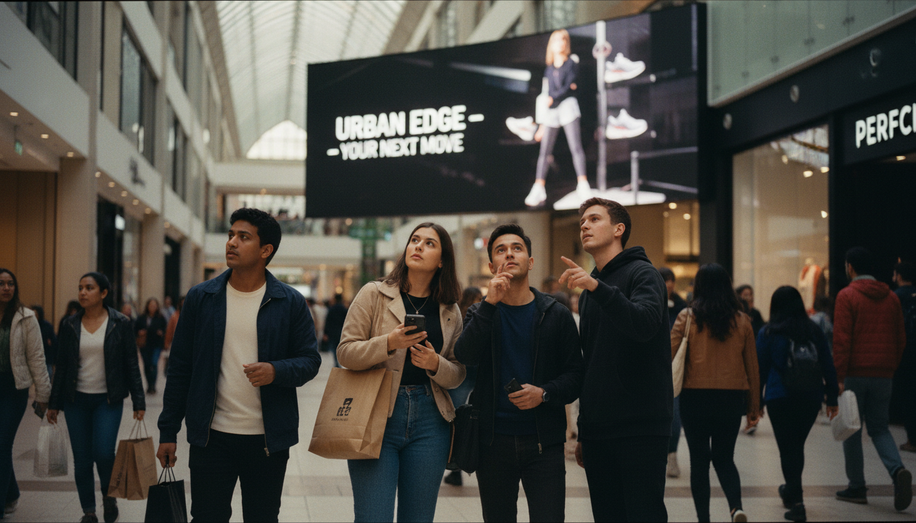

In the bustling corridors of modern malls and the shadowed aisles of big-box stores, out-of-home (OOH) screens are no longer mere digital billboards flashing promotions. They have evolved into integral components of retail media networks (RMNs), sophisticated ecosystems that blend advertising, data analytics, and shopper engagement to propel brands toward in-store traffic and sales. These networks position screens—both inside retail environments and adjacent to storefronts—as strategic touchpoints, influencing purchase decisions at the precise moment of intent.
Retail media networks represent a seismic shift from traditional digital out-of-home (DOOH) advertising, which prioritizes broad reach in public spaces like transit hubs and urban billboards. Inside retail settings, RMNs deliver hyper-targeted content closer to the point of sale, integrating dynamic displays with content management systems (CMS), sensors, and real-time analytics. Gable Company, a veteran in signage and AV integration, describes RMNs as more than screens: they form a “cohesive system” merging advertising strategy with shopper experience, turning physical spaces into monetizable assets. For instance, at Urban Edge’s Bergen Town Center, Gable deployed a 33-foot curved LED screen and elevator-wrapped displays, projecting a sixfold revenue increase within 18 months by elevating shopper dwell time and ad appeal.
This integration extends beyond aesthetics to measurable impact on foot traffic. Screens adjacent to stores, such as those in mall concourses or parking lots, act as proximity beacons, drawing consumers inward with geo-fenced, programmatic ads tailored to passing traffic patterns. Inside, they respond dynamically: ultrasonic sensors at Simon Media Ventures’ kiosks switch from ads to interactive wayfinding as shoppers approach, fostering engagement without intrusion. Such precision ensures compliance with architectural nuances, ADA standards, and power logistics, while balancing endemic (store-specific) and non-endemic (external brand) ads to avoid tenant conflicts.
The power of these OOH-embedded RMNs lies in their full-funnel connectivity, linking upper-funnel awareness to lower-funnel conversions. The IAB’s 2024 DOOH & In-Store Retail Media Playbook emphasizes collaboration between merchants and media teams: data sharing allows promotions to amplify via layered retail media campaigns, boosting sales beyond standalone efforts. If a merchant runs a competitor promo, informed RMN teams adjust in real time, turning potential headwinds into opportunities. This shopper-friendly governance aligns advertising with store design, enhancing the journey rather than competing for space.
Brands are reaping tangible results. Backcountry, the outdoor gear retailer, joined AllGear Digital’s AGD+ network as its first retail media partner, extending reach across 60 million monthly enthusiasts via media like GearJunkie and partners including AllTrails. Advertisers now engage audiences from content consumption to trailside purchase intent, transforming passion into action through multi-touchpoint campaigns. Similarly, Criteo’s integration with Google Search Ads 360 scales onsite retail media across 200 retailers, offering unified measurement of how ads drive incremental sales. Advertisers gain transparency into performance, optimizing budgets as shoppers navigate from search to shelf.
Technological underpinnings amplify this efficacy. APIs like Blindspot’s enable seamless CMS connections for DOOH networks, delivering targeted ads without friction. Programmatic buying and omnichannel strategies, as outlined in Broadsign’s playbook, synchronize OOH with digital channels, ensuring consistent messaging from mall screens to mobile apps. In retail, this drives foot traffic: studies show in-store DOOH lifts purchase lift by influencing 70% of unplanned buys, with screens prompting impulse decisions through vivid, context-aware visuals.
Yet challenges persist. Retailers must navigate data privacy, content governance, and scalability across varied footprints—from flagships like PUMA’s inconsistent store layouts to nationwide chains. Gable’s modular hardware and flexible CMS address this, allowing national consistency with local tweaks, while KPIs like dwell time, engagement rates, and ad revenue provide ROI proof. Urban Edge’s 6x revenue surge exemplifies success, with payback under two years.
For brands, OOH within RMNs closes the attribution gap plaguing traditional media. Proximity to purchase—mere feet from checkout—ensures ads don’t evaporate into awareness alone; they convert. As Sherry Smith of Criteo notes, these networks connect brands to “high-intent shoppers,” fueling demand and retailer growth. Eric Phung of AllGear Digital calls it a “pivotal moment,” reshaping full-funnel impact.
Looking ahead, as retail evolves post-pandemic, OOH screens will anchor hybrid media strategies, blending physical immersion with digital precision. Retailers monetizing spaces via RMNs not only boost traffic but redefine shopper loyalty, proving that in the race for sales, the most influential real estate is the square footage of a well-placed screen.