
In the bustling arteries of urban landscapes, digital billboards are evolving from static spectacles into dynamic portals that capture fleeting attention spans. As cities pulse with movement, these towering displays harness artificial intelligence, augmented reality, and sustainable innovations to redefine out-of-home advertising, turning passive passersby into engaged participants. By 2026, this transformation promises not just brighter lights, but smarter strategies that blend the physical world with digital immediacy, making billboards indispensable for brands vying for relevance in crowded visual environments.
At the forefront stands AI-powered personalization, which elevates digital billboards from broadcasters to conversationalists. No longer confined to generic loops, these screens analyze real-time data—demographics via facial recognition (where permitted), foot traffic patterns, weather conditions, and even trending social topics—to tailor content instantaneously. Imagine a billboard in Times Square detecting a sunny afternoon rush hour and swapping promotions from cozy coffee to sunscreen, or adjusting messaging for evening commuters highlighting quick delivery options. This dynamic optimization boosts viewer engagement by up to 60 percent, according to digital signage analyses, by delivering predictive content that anticipates needs rather than merely announcing them. Advertisers gain precision through geo-fencing and contextualization, targeting specific audiences with hyper-relevant calls to action, ensuring messages feel personal amid the urban chaos.
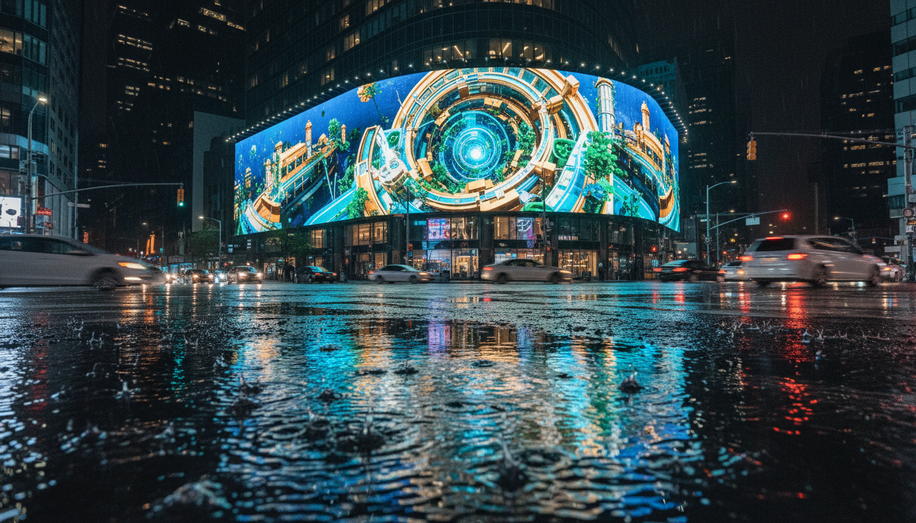
Interactivity takes this a step further, inviting audiences to co-create the experience. Augmented reality overlays and gesture-based controls turn billboards into immersive playgrounds, where pedestrians scan QR codes or wave hands to unlock AR games, product demos, or virtual adventures. High-traffic installations now feature multi-touch capabilities and voice commands, mimicking smartphone interfaces for seamless engagement—much like Best Buy’s displays, which extended customer interaction time by 55 percent and lifted sales conversions by 22 percent. Anamorphic 3D visuals add cinematic depth, creating illusions that leap from the screen, such as cascading waterfalls or soaring vehicles that defy flat panels. These elements not only captivate but amplify reach organically, as thrilled viewers share “wow” moments on social media, extending campaigns virally beyond the billboard’s glow.
Sustainability, once a niche concern, has become a core driver, aligning advertising with eco-conscious urban dwellers. LED screens with smart power management automatically dim during low-traffic hours or integrate solar panels for renewable energy, slashing consumption by up to 38 percent—as demonstrated by IKEA’s global rollout, which saved millions annually. “Eco-billboards” push boundaries further, incorporating air-purifying materials, recycled composites, or even living plant walls that double as green oases in concrete jungles. This resonates deeply in cities grappling with pollution and climate mandates, positioning brands as responsible stewards while cutting operational costs through recyclable builds and extended LED lifespans.
Yet, amid the technological dazzle, a return to creative craft underscores these trends. AI accelerates production—generating endless variations in days rather than weeks—but audiences crave authenticity over automation. Polished synthetics now feel generic; instead, brands lean into real photography, custom illustrations, and legible typography that cuts through motion and glare. Digital billboards demand discipline: messages must register in seconds from moving vehicles, with AI refining but never replacing strong ideas. Cultural moments amplify this—timely tie-ins to events or launches create shared urban experiences, sparking social buzz, search spikes, and site traffic as physical exposure ignites digital cascades.
Cloud integration and hybrid architectures seal the ecosystem, enabling centralized control across networks of billboards. HTML5 content and API links to CRM or inventory systems ensure seamless updates, from countdown timers hyping product drops to multilingual displays for diverse cities. Progressive web apps deliver app-like functionality without downloads, while AV-over-IP video walls scale immersive content across massive arrays. In high-stakes urban hubs like Piccadilly Circus or Shibuya Crossing, these converge to form “experience economies,” hyper-personalized hubs that trigger downstream actions: a billboard glance leads to app downloads, store visits, or online shares.
Challenges persist, from regulatory hurdles on facial recognition to balancing interactivity with accessibility. Still, the trajectory is clear: digital billboards are rearchitecting urban advertising as responsive, sustainable, and culturally attuned engines. In 2026, they won’t just advertise—they’ll orchestrate citywide conversations, proving that in an era of fragmented screens, the boldest real-world canvas commands the sharpest attention. Brands ignoring this shift risk fading into the background, while pioneers will light up skylines and minds alike.