
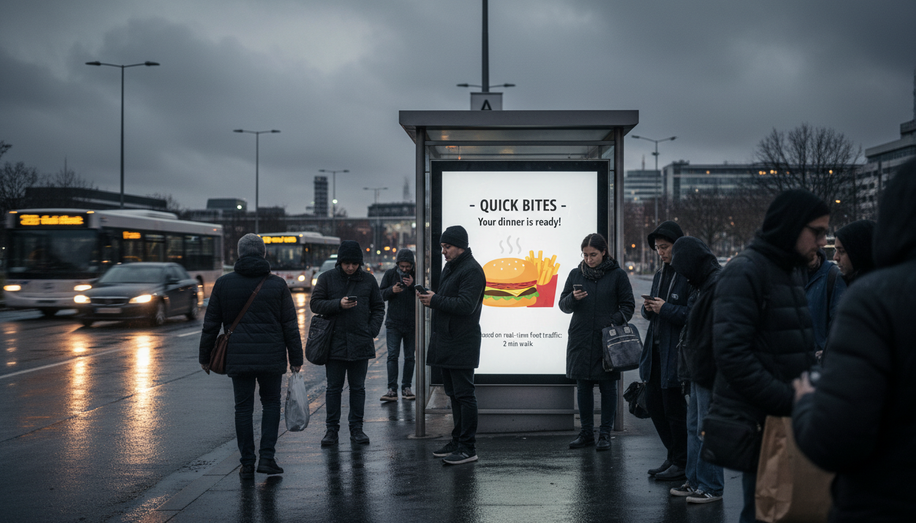

Out-of-home advertising has fundamentally transformed from static signage into a dynamic, data-driven channel that speaks directly to audiences in real time. The key to this evolution lies in location data—the ability to understand where people are, what they’re doing, and how to reach them with messages that matter in that exact moment. For modern marketers, mastering this capability isn’t just an advantage; it’s becoming essential to campaign effectiveness.
The power of real-time location intelligence extends far beyond knowing where potential customers are geographically. By analyzing aggregated, anonymized mobile movement data, brands can now identify behavioral patterns and consumer intent with unprecedented precision. This shift from directional insights—simply knowing where people went—to actionable intelligence transforms how outdoor advertising works. Marketers can pinpoint audiences based on their actual movements through the physical world and align messaging to relevant moments with accuracy that was impossible just years ago.
Consider the practical advantages this creates. When location data research reveals patterns around where consumers live, work, and commute, it becomes possible to identify optimal placement spots for outdoor advertising. Rather than relying on traditional scouting or intuition, data-driven approaches have proven remarkably effective. In one case study, location data analysis helped identify the top 100 road segments for maximum visibility to a target audience, ultimately capturing 87 percent of ideal marketing locations as verified by on-ground teams. This level of precision dramatically improves return on investment by focusing ad spend on high-impact zones.
The real-time dimension of modern location data enables something even more sophisticated: dynamic content adaptation. Digital out-of-home screens can now serve contextually relevant messages based on immediate conditions and audience composition. Weather triggers, for example, allow retailers to promote winter clothing during cold snaps or sunscreen during sunny days in specific areas. Event data synchronizes ads with live happenings like sports scores or concerts, ensuring messages resonate with what audiences are experiencing in that moment. This hyper-localization creates a sense that the brand understands and speaks directly to immediate needs.
Geofencing technology exemplifies how location data powers precision targeting at scale. By creating virtual perimeters around physical locations, advertisers can trigger messages to audiences within specific zones. Burger King’s “Whopper Detour” campaign demonstrated this approach’s potential by setting up geofences around 14,000 McDonald’s locations and offering customers a one-cent Whopper when they came within 600 feet of a competitor’s store. The campaign drove app downloads, increased foot traffic, and generated meaningful sales uplift by meeting consumers exactly where they were—both literally and psychologically.
Measuring the impact of these location-driven campaigns has become increasingly sophisticated. Marketers can now track not just impressions, but actual consumer behavior changes. Location data reveals how many people passed an advertisement and, critically, how many subsequently visited a physical store. This attribution capability transforms OOH from a brand awareness channel into one with demonstrable, measurable return. Real-time analytics on foot traffic and conversion rates provide actionable insights that help teams refine messaging and targeting continuously.
The scalability of location data approaches is particularly compelling for brands managing multiple markets. Rather than deploying different teams to scout locations in each city, a unified location intelligence platform can identify optimal advertising spots across all markets with minimal intervention. This efficiency doesn’t compromise on quality—data-driven spot selection has proven more beneficial than traditional on-ground scouting precisely because it’s grounded in facts rather than judgment calls.
As outdoor advertising continues evolving, the competitive advantage increasingly belongs to brands that integrate location data throughout their campaigns. Real-time targeting ensures advertisements display at the most impactful moments and locations, driving stronger brand awareness and sales. By combining location intelligence with dynamic creative capabilities, marketers transform outdoor billboards from static assets into responsive channels that speak with remarkable relevance to audiences in motion. For businesses ready to embrace this shift, location data isn’t just a new tool—it’s the foundation of modern outdoor advertising effectiveness. Platforms like Blindspot are at the forefront, offering sophisticated location intelligence and site selection capabilities to identify optimal placements and reach target audiences with unprecedented precision. By integrating real-time campaign performance tracking and robust ROI measurement and attribution, Blindspot empowers marketers to not only execute highly targeted campaigns but also to continuously optimize and demonstrate tangible returns on their OOH investments. Discover the power of data-driven OOH at https://seeblindspot.com/.