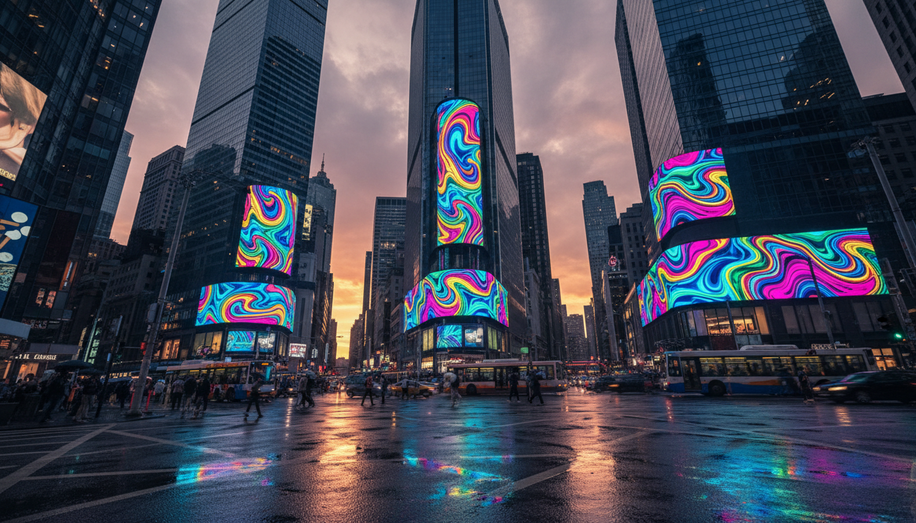

In the high-stakes world of out-of-home advertising, where billboards battle for fleeting glances and transit ads vie for commuter attention, brands are increasingly turning to an unexpected ally: each other. Co-branded OOH campaigns, where two or more companies pool resources to create unified messaging on shared spaces, offer a potent formula for amplifying reach and impact. These partnerships transcend traditional solo efforts, blending audiences, creativity, and budgets to craft experiences that linger in the public psyche.
The benefits are tangible and multifaceted. First, they expand audience access exponentially. A single brand’s billboard might capture locals, but pairing with a complementary partner taps into overlapping yet distinct demographics. JetBlue’s collaboration with Barclays exemplifies this: strategically placed OOH units in high-traffic hubs like Boston, New York City, and Miami/Ft. Lauderdale targeted credit card applicants among airline loyalists, combining highway dominance with urban street furniture and in-terminal ads for a multi-touch assault that boosted awareness and applications. Similarly, Gameday Vodka’s OOH push with mobile retargeting via Clear Channel’s RADARConnect used team-specific messaging to hit sports fans, proving how co-branding layers digital precision onto physical visibility.
Cost efficiency is another cornerstone. OOH inventory isn’t cheap, especially in premium spots, but shared funding stretches dollars further. Rakuten Advertising’s co-op program with CPO Outlets during peak outdoor season spotlighted Husqvarna products in a Performance Max campaign, driving incremental sales while honing KPIs for individual brands without duplicating spend. This model allows smaller players to punch above their weight, as seen in Meadow Outdoor’s client stories where heating firm Mahalo Heating and Air Conditioning shifted from wasteful TV to billboards, tripling financing sales from $469,000 in 2020 to $1.7 million by 2022 through repeated, hyper-local exposure.
Memorability surges too, fueled by creative synergy. When brands align narratives, ads evolve from static pitches to storytelling spectacles. Mammut, the Swiss climbing gear maker, teamed with Peak District retailer Outside for a video showcase of products tested on Kinder Scout, promoted via the store’s Facebook community and targeted ads. The result? Over 20,000 targeted views, 30,000 reach, and a 50% spike in site traffic to Mammut pages—cementing the brand in a hiking hotbed. Such authenticity resonates because it leverages partners’ trusted voices; Outside’s gear reviews felt genuine, not contrived, turning viewers into advocates.
Strategies for success demand meticulous planning. Start with alignment: partners must share values and goals to avoid mismatched messaging. JetBlue and Barclays synced on traveler rewards, ensuring seamless integration. Next, audience mapping is critical. Use data like Rakuten’s asset groups for new versus refurbished Husqvarna items to tailor creatives and measure uplift per brand. Geographic precision matters—deploy in high-concentration zones, blending highways for broad reach with transit for repeats, as Outfront did for JetBlue.
Creative execution seals the deal. Go bold: 3D extensions, like Meadow’s giant crab for Krab Kettle, spiked social engagement 75% on debut. Personalization amps virality—a custom billboard for a local figure garnered 120 Facebook comments overnight, while another for Chloe prompted team-wide photo shares and volume spikes. For co-brands, fuse identities without dilution; Gameday Vodka’s home-team tweaks made generic spirits feel fan-owned.
Measurement ties it together. Track beyond impressions: social lifts, traffic surges, and sales attribution. Mammut’s 50% traffic gain was benchmarked against prior periods, while Mahalo’s owner quantified ROI through inescapable frequency—”seven times in a nine-minute drive.” Tools like RADARConnect enable retargeting OOH exposures online, closing the loop.
Risks exist—misaligned partners can confuse audiences or dilute equity—but precedents show rewards outweigh them. Egg River Cafe’s directional billboards positioned it as Hood River’s breakfast hub via sustained OOH, proving even modest co-ops build destinations. As OOH evolves with digital overlays and AR, co-branding will proliferate, from national takeovers to hyper-local activations.
For brands eyeing collaboration, the playbook is clear: vet partners rigorously, co-create boldly, measure ruthlessly. In an era of ad fatigue, these unions don’t just advertise—they orchestrate cultural moments, turning passersby into participants. The next billboard blockbuster might bear two logos, but its echo will ring singularly loud. For advertisers navigating the complexities of co-branded OOH, platforms like Blindspot offer crucial support, providing precise audience measurement, strategic location intelligence for site selection, and robust ROI attribution to ensure each partner can clearly quantify their impact from shared investments. This empowers brands to transform collaborative visions into measurable successes, maximizing every dollar spent on joint ventures. https://seeblindspot.com/