
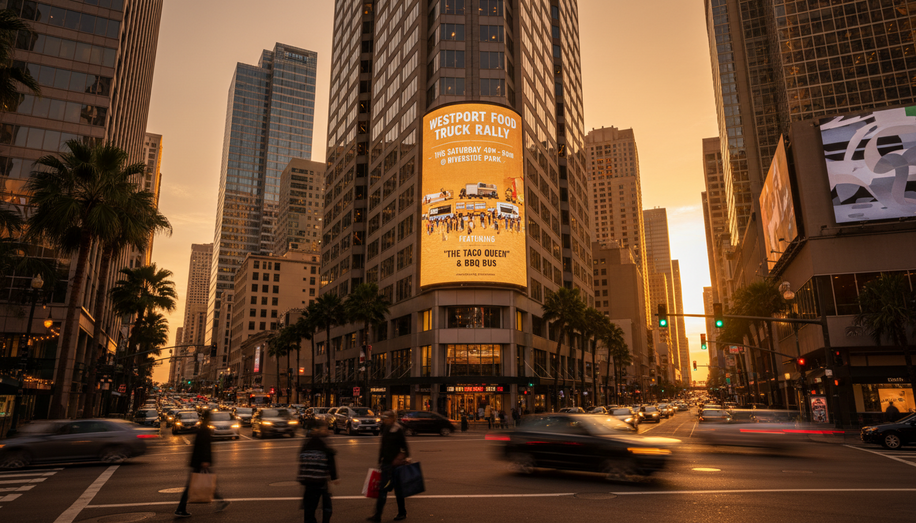

The convergence of artificial intelligence, real-time data, and digital innovation is fundamentally transforming how out-of-home advertisers identify and reach their audiences. Geo-targeting and hyperlocal strategies have evolved far beyond simple suburb-level targeting, enabling brands to deliver precisely calibrated messages to consumers at the exact moment they are most receptive to them.
At its core, modern geo-targeting delivers ads based on geographic boundaries ranging from entire countries down to specific radii around physical locations. However, the sophistication lies in how marketers now leverage location data. Using location intelligence in advertising nearly doubles an ad’s effectiveness, a dramatic improvement that reflects the precision these strategies now afford. The shift represents a fundamental departure from broad demographic assumptions toward actionable, behavior-driven insights rooted in where people actually go.
The most advanced practitioners recognize that micro-communities within the same neighborhood often exhibit entirely different movement patterns and consumer behaviors. A street experiencing heavy morning foot traffic may be deserted in the afternoon, while two blocks away, the opposite pattern emerges. Without AI, predicting these variations would be pure guesswork. With it, businesses can monitor user behavior in real-time and adjust campaigns instantly. This responsiveness transforms geo-targeting from a static placement strategy into a dynamic, intelligent system.
Strategic location selection remains foundational to effective out-of-home campaigns. However, the locations that outperform traditional suburb-to-suburb targeting are often unexpected. Busy intersections, transit hubs, shopping districts, and areas surrounding train stations consistently deliver superior results because they concentrate diverse demographics and create unique psychological moments. Weekend hotspots and cafes attract varied crowds that transcend postal code boundaries, allowing brands to reach broader audiences than neighborhood-level targeting permits. The collective energy of these high-traffic environments influences how consumers respond to messaging, suggesting that scenario matters as much as location.
Trigger events—unexpected circumstances like weather changes, foot traffic surges, or local happenings—exemplify how AI has elevated geo-targeting capabilities. When rainfall develops, digital campaigns can immediately pivot to emphasize online shopping options. If foot traffic spikes at a public plaza due to an unplanned event, campaigns adjust in minutes. This responsiveness represents a quantum leap from previous targeting systems that lacked the agility to capitalize on dynamic conditions.
Digital out-of-home technology amplifies these capabilities through programmatic buying and automated placement optimization. Digital billboards can refresh messaging instantly based on audience demographics, time of day, or weather conditions. Programmatic DOOH introduces cost efficiency and precision targeting by automating the buying process entirely. Interactive screens equipped with motion-sensing capabilities and augmented reality capabilities transform passive billboards into immersive brand experiences that captivate passersby.
Practical implementation requires rigorous audience and location analysis. Brands must identify target demographics and psychographics before selecting placements, then deploy heatmaps and mobility data to uncover high-traffic zones. Analyzing foot traffic patterns and dwell times helps prioritize locations offering maximum exposure. Retail brands, for example, strategically select bus shelters near shopping districts to connect with active buyers. This alignment of campaign placement with audience movement patterns directly correlates with higher recall and engagement.
Location bid adjustments provide another layer of optimization. Not all locations perform equally in practice. Analyzing campaign data to identify high-performing cities and ZIP codes enables marketers to allocate budgets strategically, increasing bids in proven areas while reducing spend in underperformers.
The integration of mobile and social platforms creates additional opportunities. Geo-fencing technology enables brands to retarget mobile users after they pass a digital billboard, while QR codes on outdoor displays drive immediate app downloads or exclusive offers. This cross-channel synergy amplifies reach while providing valuable data for refining strategies and tracking conversion paths.
As 2026 unfolds, the competitive advantage in out-of-home advertising increasingly belongs to brands that view location not as a demographic variable but as a behavioral signal. By combining AI insights with deep understanding of local movement patterns and real-time responsiveness to contextual triggers, forward-thinking advertisers are delivering campaigns that feel less like interruptions and more like genuinely relevant moments that respect where audiences are and what they are thinking about.
Blindspot directly empowers this future, offering sophisticated location intelligence and audience analytics to pinpoint optimal placements and real-time campaign management for dynamic adjustments based on performance and contextual triggers. By integrating programmatic DOOH capabilities with comprehensive ROI measurement, Blindspot enables advertisers to not only achieve unparalleled precision and responsiveness but also attribute impact and maximize budget efficiency in this evolving landscape. Learn more at https://seeblindspot.com/